
More results...
Evaluate structural performance, investigate potential design weaknesses, and support engineering decisions with Finite Element Analysis (FEA) services from Experiqs.
Experiqs provides simulation-led engineering support to help evaluate stress distribution, deformation, structural behaviour, and other relevant performance parameters. FEA can help engineering teams investigate potential weaknesses, compare design alternatives, and make informed decisions during product development and design validation.
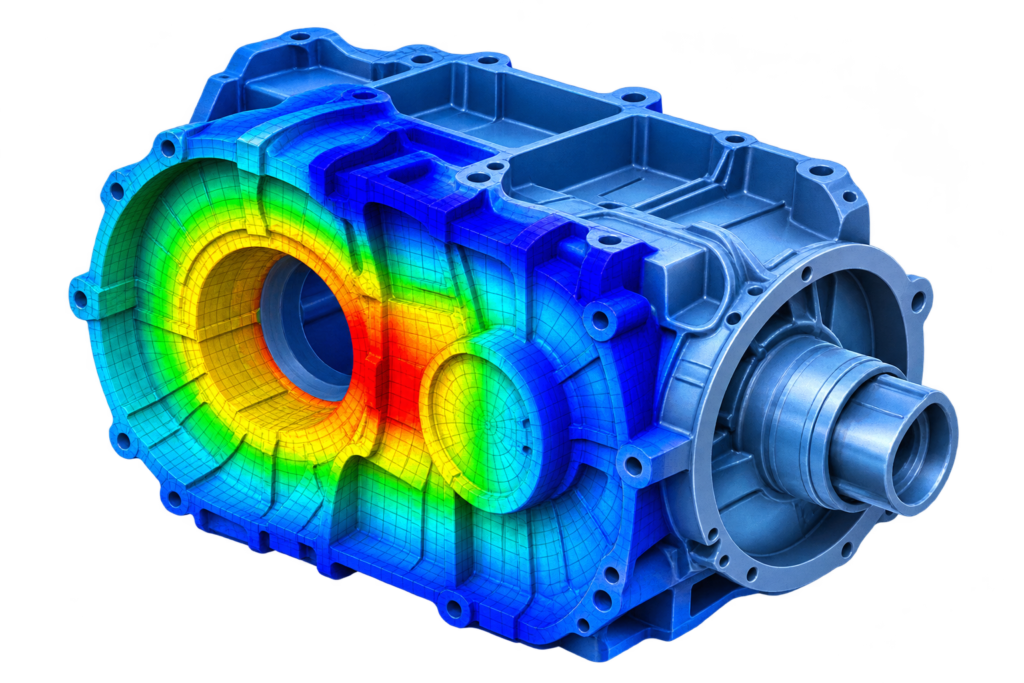
Finite Element Analysis (FEA) is a numerical engineering method used to evaluate how components and structures respond to defined physical conditions.
FEA can support product development, structural assessment, design improvement, and the investigation of potential failure mechanisms. Depending on the engineering problem, it can help assess stress, strain, displacement, deformation, structural stability, and dynamic response.

Evaluate how components respond to applied forces, pressures, constraints, and other specified loads.

Assess the movement and deformation of components under defined operating conditions.

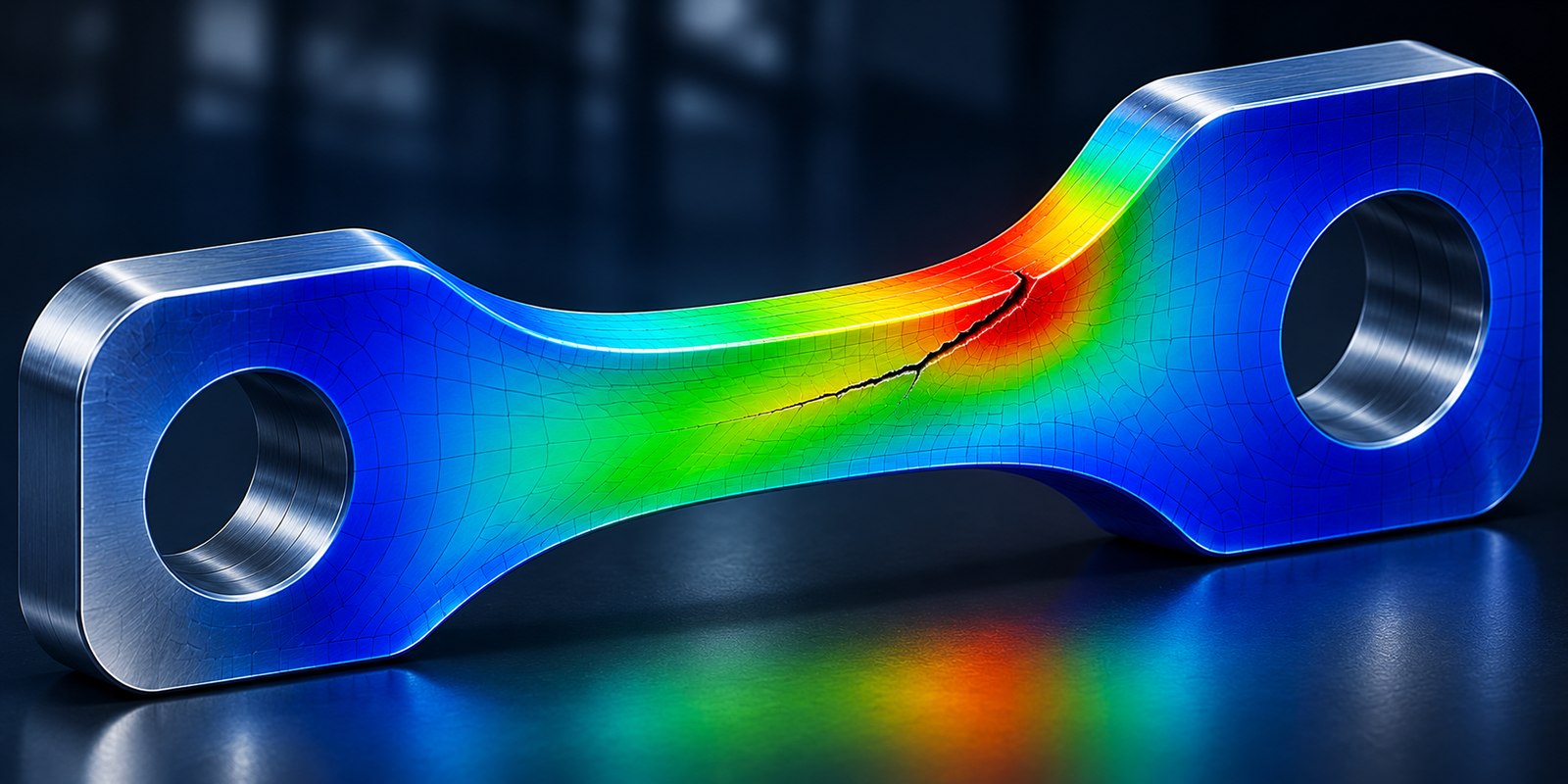
Investigate cyclic loading, potential crack-initiation locations, and durability concerns.

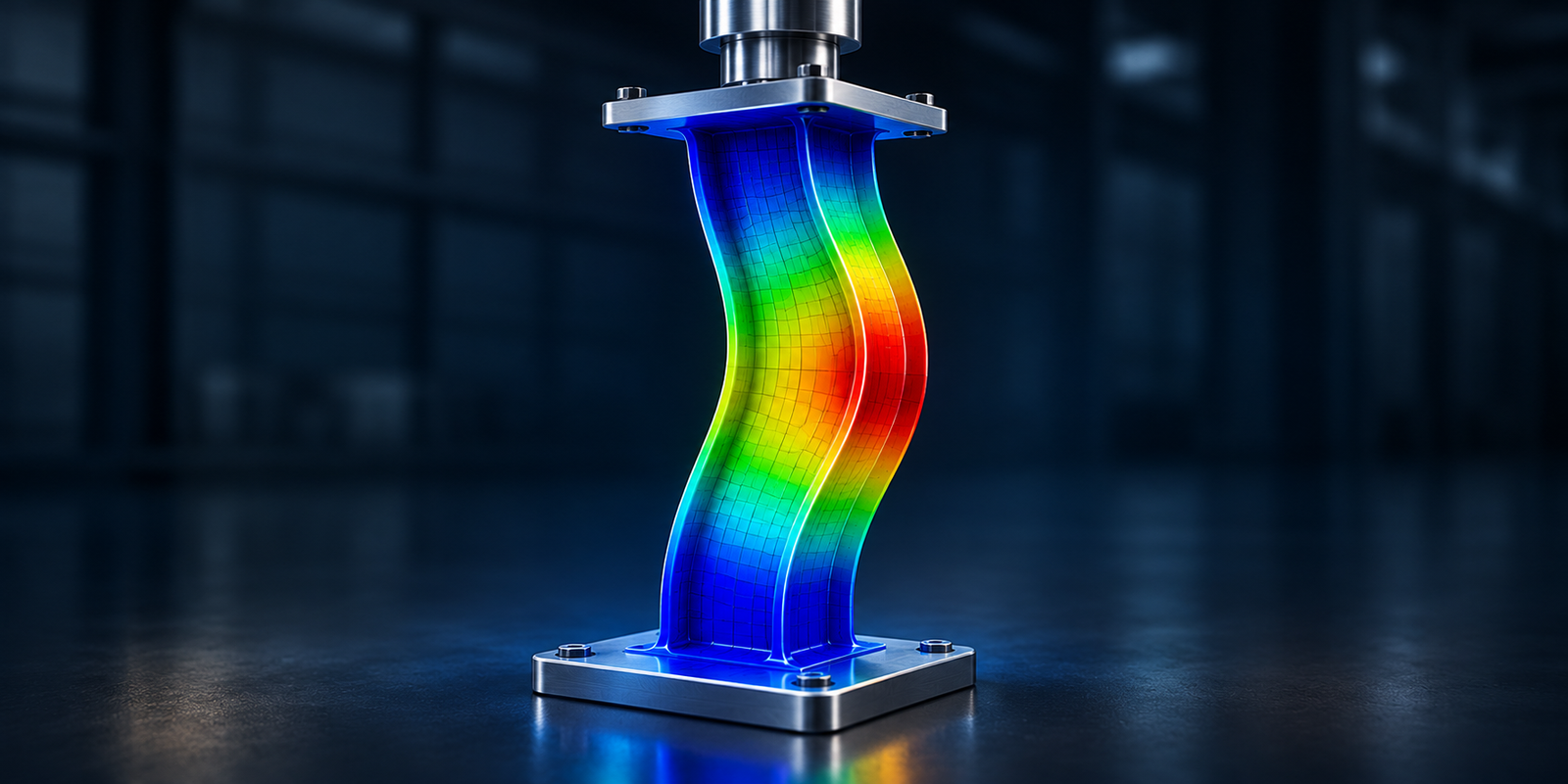
Evaluate the stability of structures and components exposed to relevant compressive or destabilising loads.

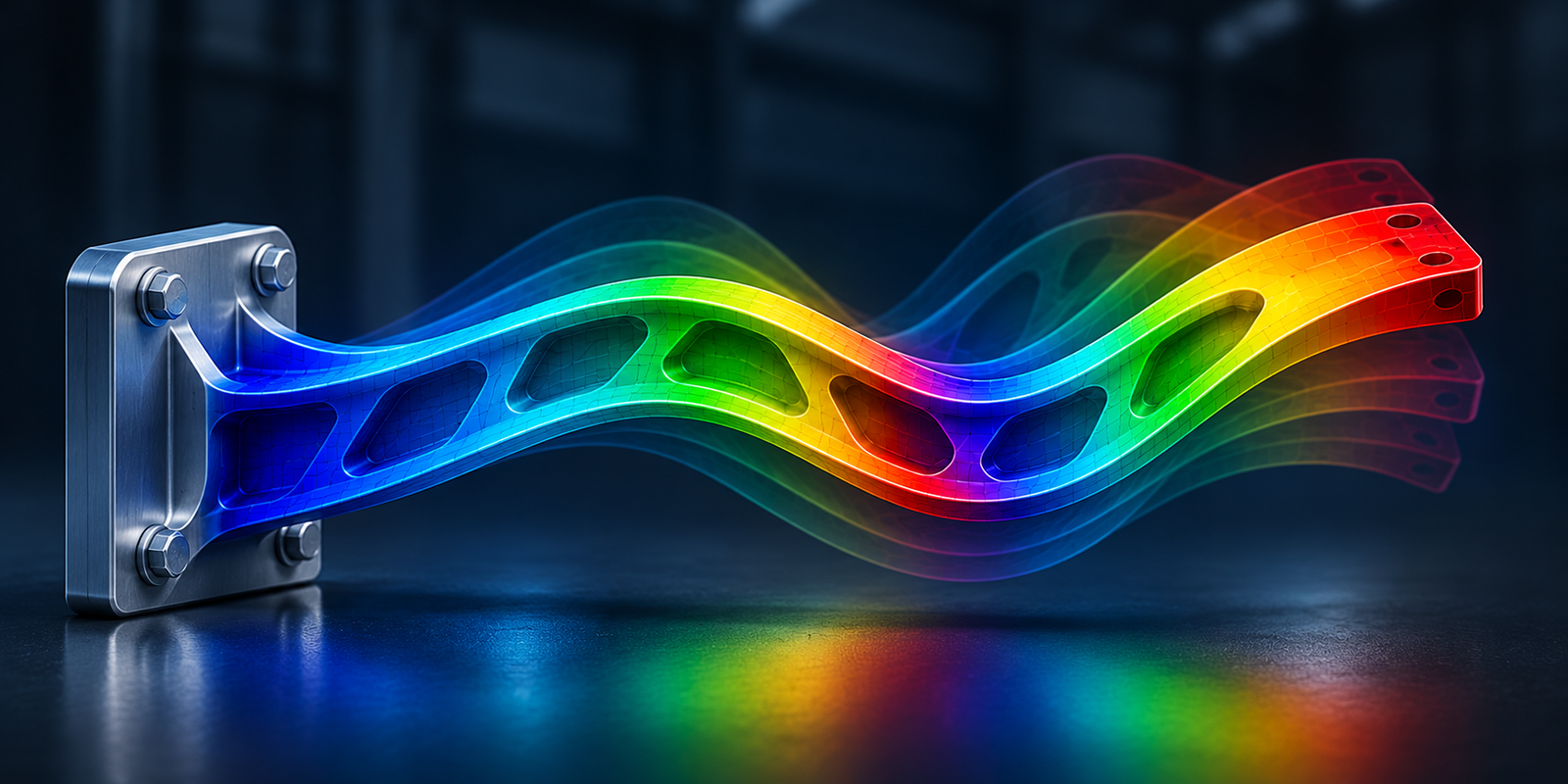
Investigate natural frequencies, mode shapes, and structural response to dynamic excitation.

Assess the combined effect of temperature distributions and structural loading.

Evaluate component response to time-varying loads, shocks, or impact events.

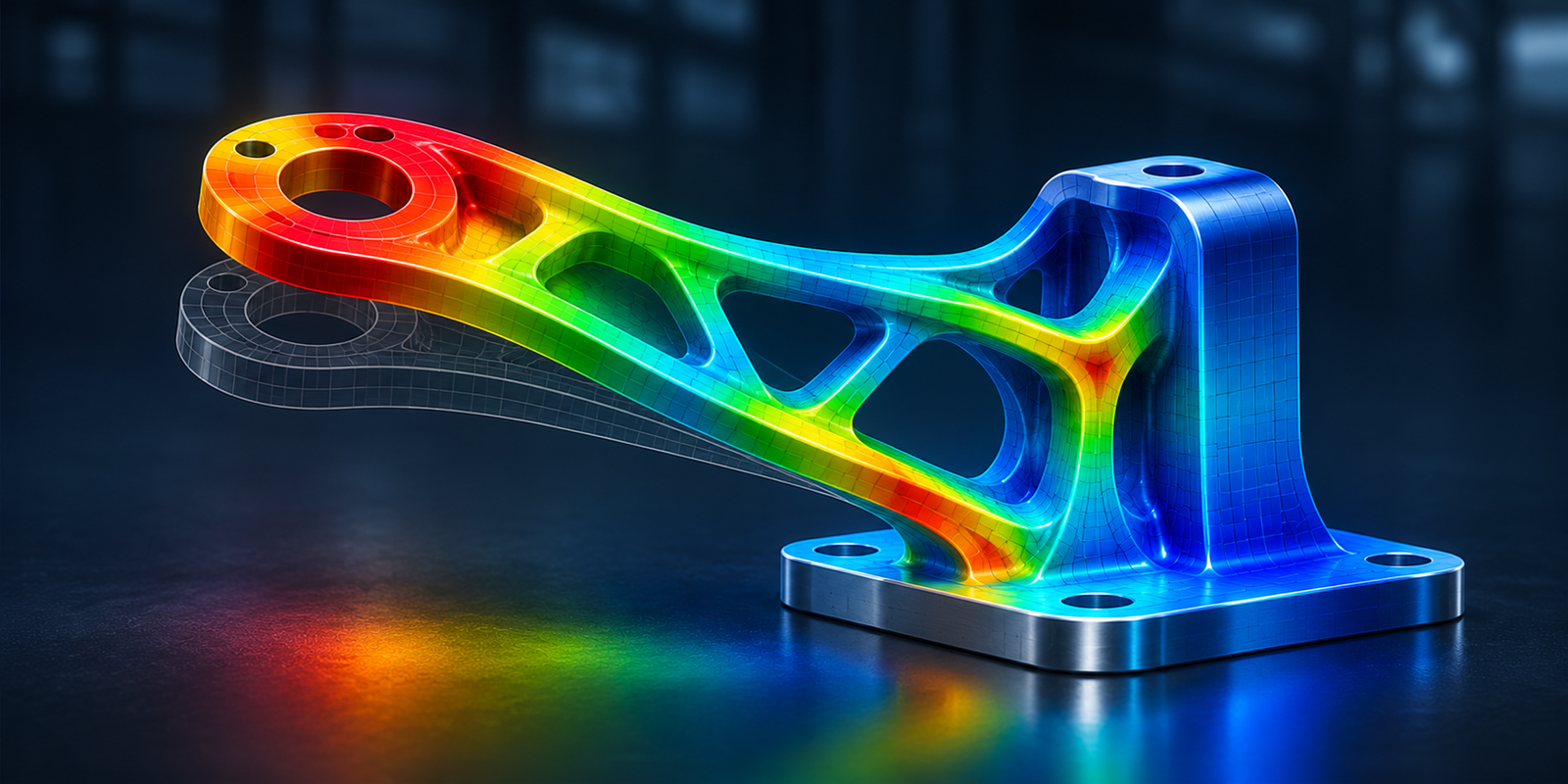
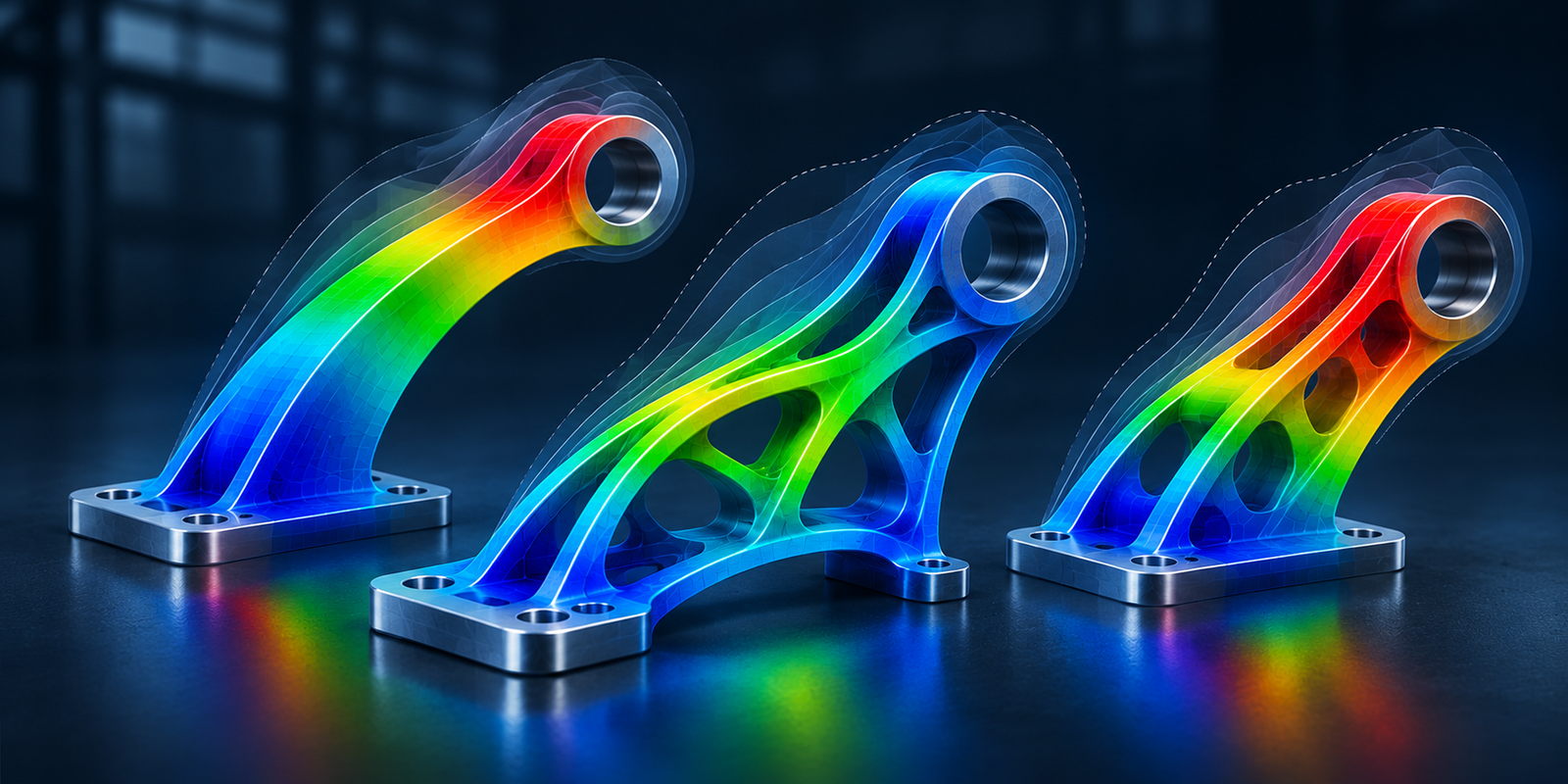
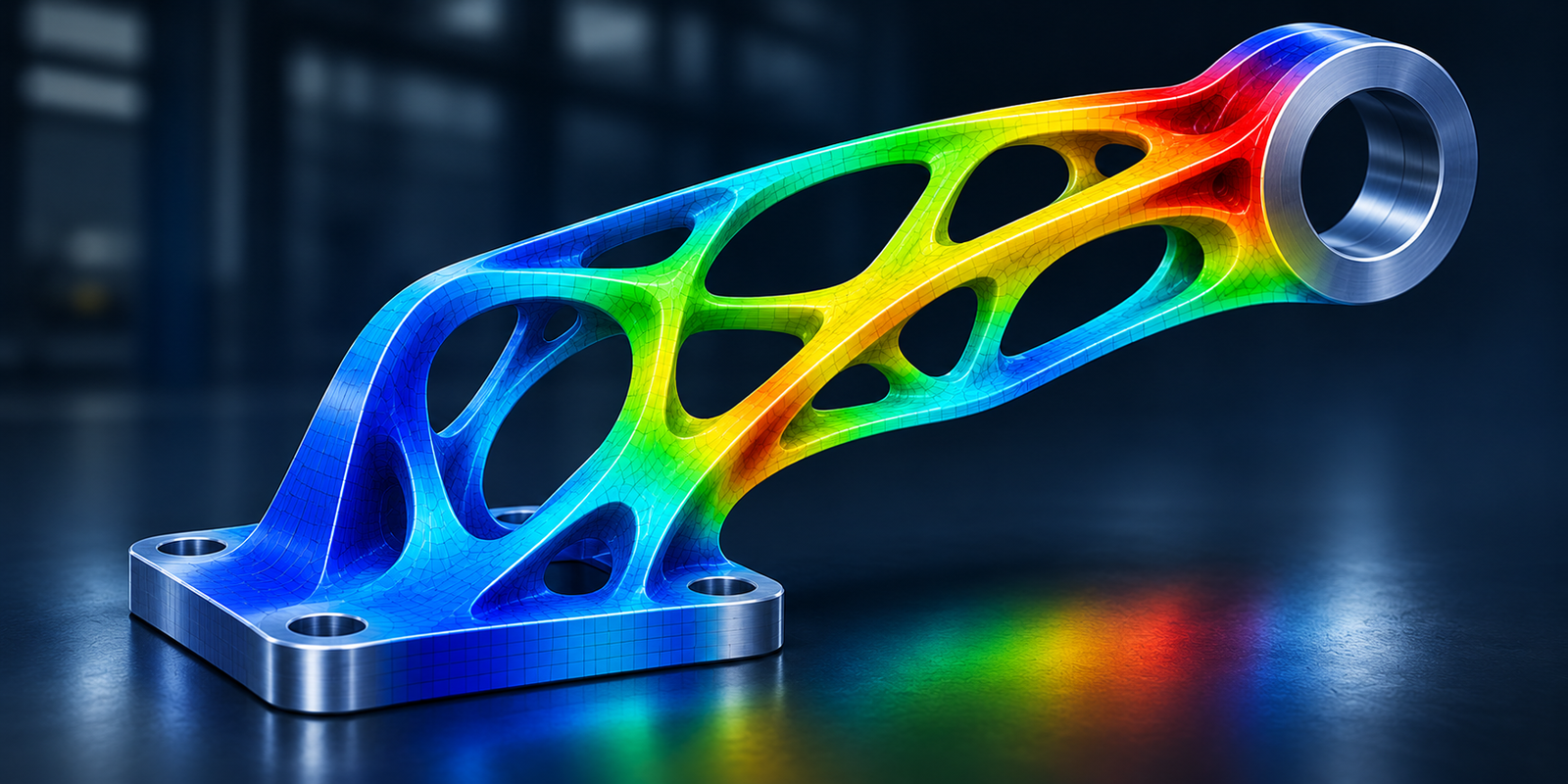
Compare design alternatives by identifying highly stressed regions, inefficient load paths, unnecessary material usage, and opportunities to improve structural performance.
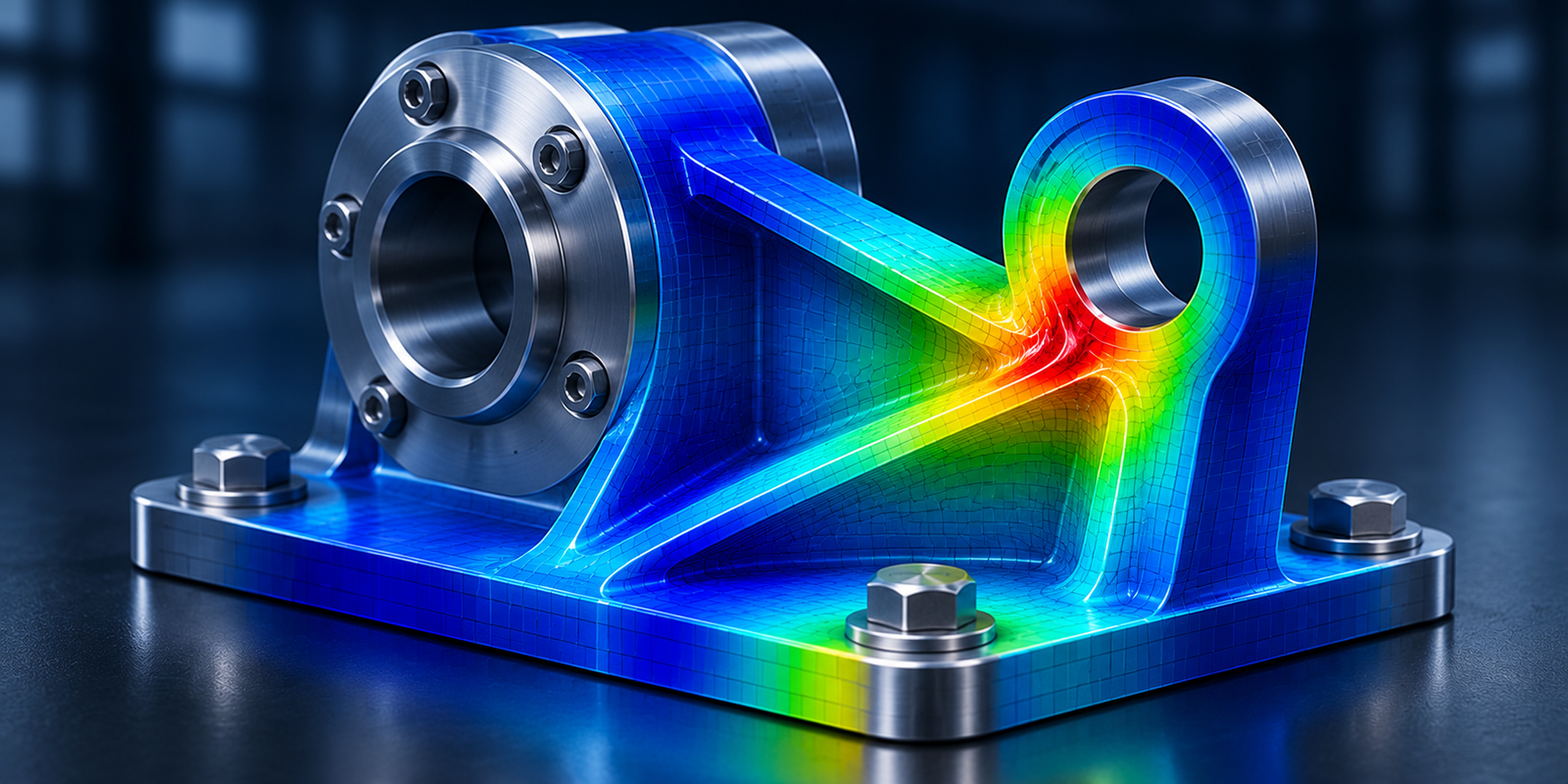
Finite Element Analysis can support the investigation of a range of engineering challenges, including:


FEA results depend on model assumptions, material data, boundary conditions, loading scenarios, numerical methods, and appropriate validation. Simulation should therefore be interpreted alongside engineering judgement and applicable design requirements.
FEA can support the assessment of vehicle structures, mechanical components, mounting systems, and other load-bearing parts.
Depending on the project, analysis may investigate structural strength, fatigue, deformation, and dynamic response.
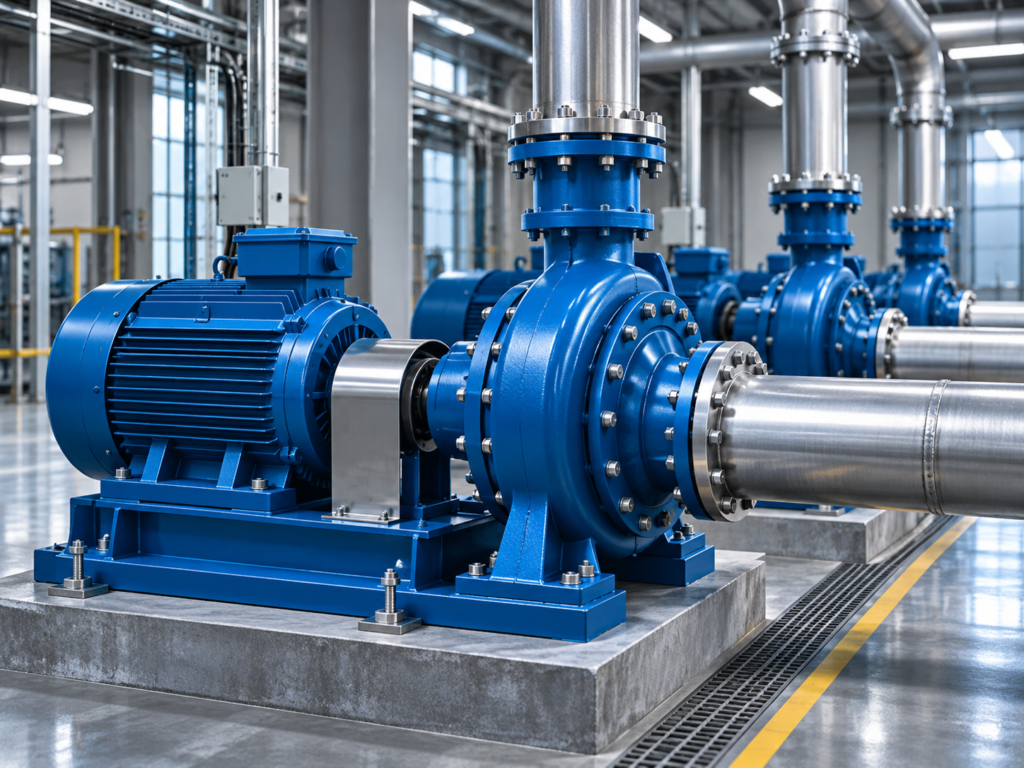
Machinery components must withstand operating loads, vibration, pressure, and repeated use.
Structural analysis can help evaluate housings, shafts, frames, supports, casings, and other critical components.
Heavy industrial equipment may experience impact forces, cyclic loading, vibration, and demanding operating conditions.
FEA can help investigate stress concentrations, structural deformation, fatigue concerns, and potential strengthening opportunities.
Structural analysis can help assess equipment supports, frames, structural components, and other infrastructure exposed to mechanical or environmental loading.
Where required, specialised studies may consider thermal effects and dynamic or seismic response.
FEA can support the evaluation of product housings, brackets, hinges, mounting systems, and other components exposed to operational, transport, drop, or impact-related loading.
A structured approach to deliver accurate and meaningful FEA results.

Understand the engineering objective, component function, operating conditions, design constraints, and performance requirements.

Review the available geometry, material properties, loading information, and relevant design documentation.

Prepare the finite element model, mesh, boundary conditions, contacts, and other relevant simulation settings based on the problem being investigated.

Evaluate the component or structure under the agreed loading scenarios using an appropriate analysis methodology.

Examine relevant outputs, such as stress, strain, displacement, deformation, natural frequencies, or other project-specific parameters.

Identify areas requiring further investigation and provide engineering insights that may support design changes or additional testing.

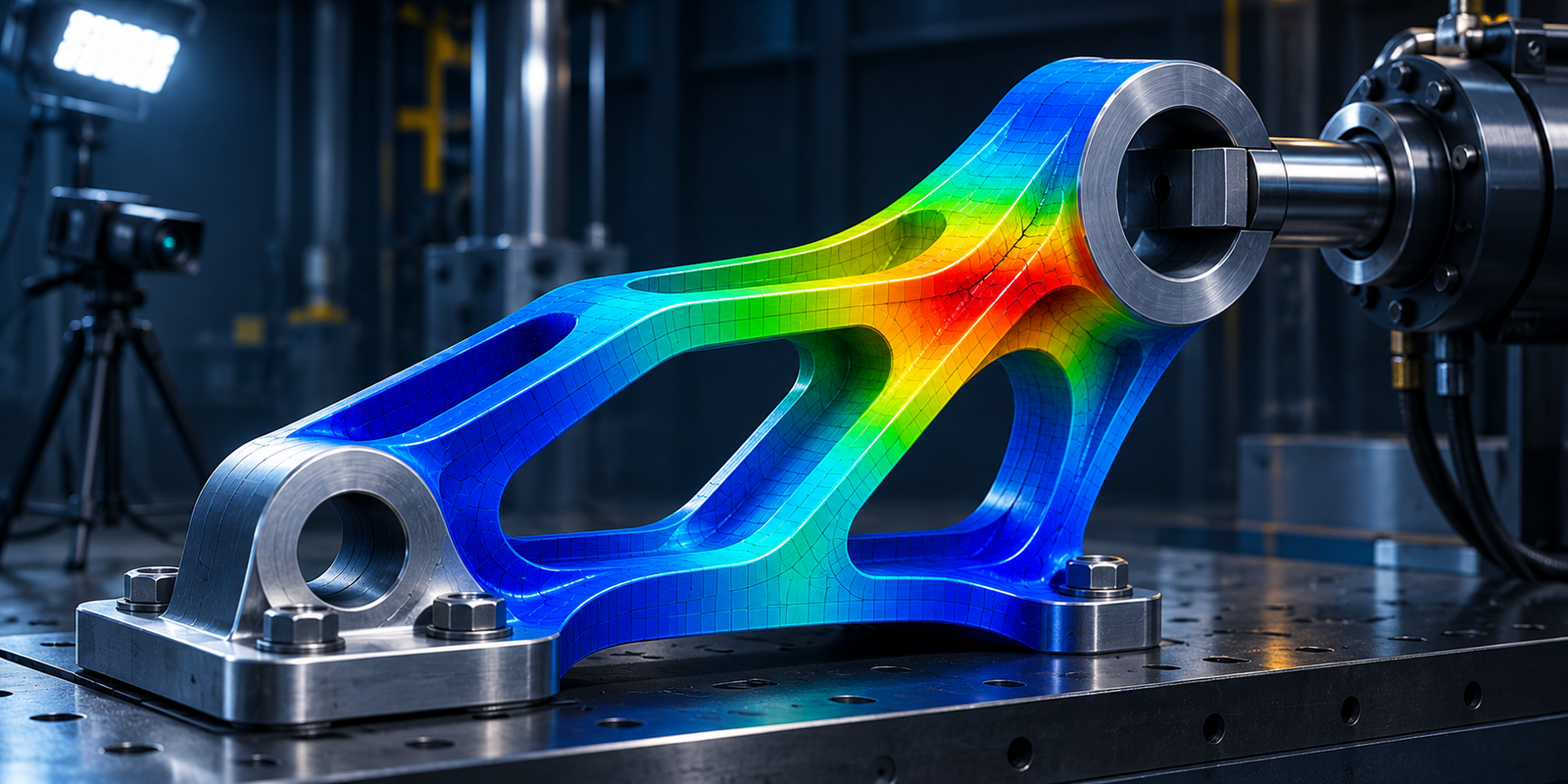
Where appropriate data are available and the project scope requires it, compare simulation findings with analytical calculations, experimental measurements, or physical test results.
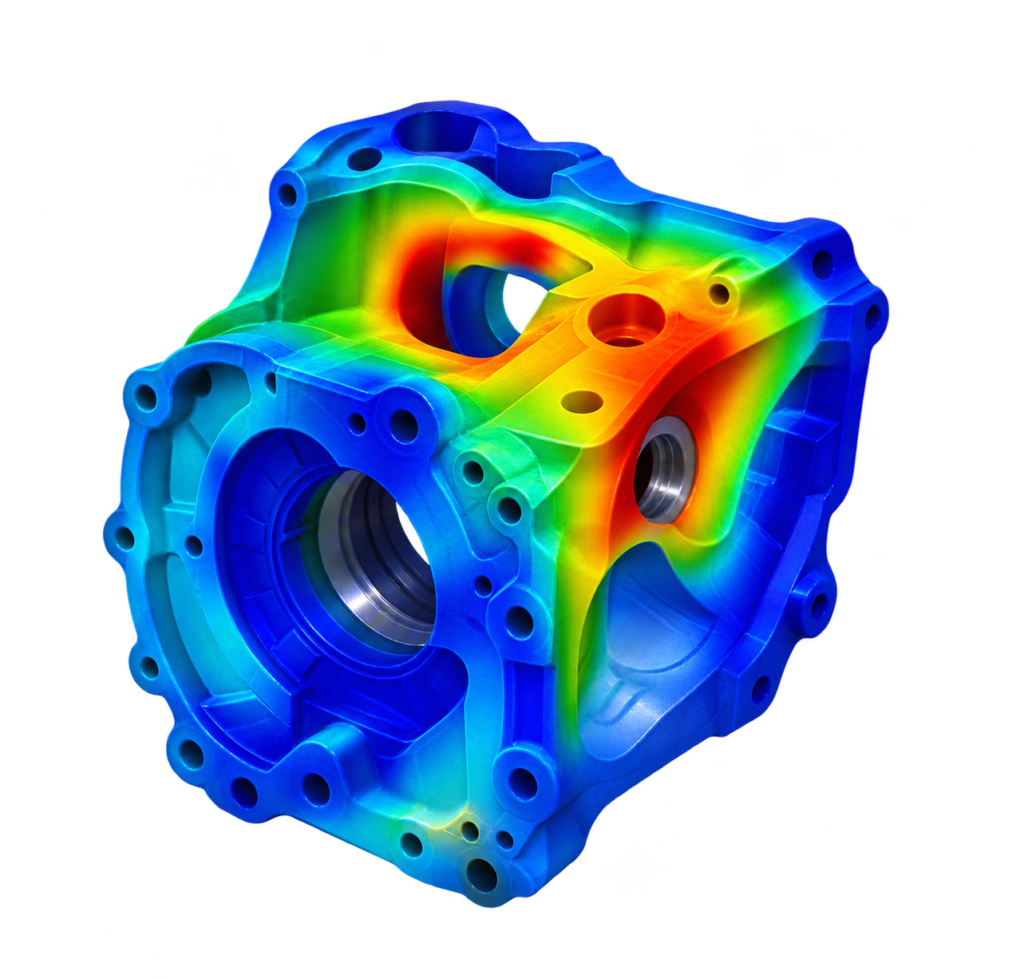
Project deliverables are defined according to the engineering objective and agreed scope.
Depending on the project, these may include:
The specific deliverables should be confirmed before project initiation.

Evaluate structural behaviour before committing to expensive physical iterations, tooling, or manufacturing.

Investigate how changes in geometry, materials, supports, or loading conditions may influence structural response.

Use simulation results alongside engineering judgement, analytical calculations, testing, and applicable design requirements.
Use FEA to explore possible causes of excessive deformation, stress concentrations, fatigue concerns, or other structural performance issues.

Identify opportunities for targeted design improvements while balancing performance, weight, cost, and manufacturing constraints.
FEA services use numerical simulation to evaluate how components and structures respond to defined loads, constraints, material properties, and operating conditions. They can support structural assessment, design comparison, and engineering problem investigation.
FEA is commonly used to evaluate structural and mechanical behaviour, while Computational Fluid Dynamics (CFD) is used to simulate fluid flow and related phenomena, such as pressure distribution and heat transfer.
Some engineering problems require both methods.
Typical inputs include component geometry, material properties, loading conditions, boundary conditions, operating temperatures where relevant, and the engineering objective.
The exact requirements depend on the analysis type.
FEA can help identify regions with elevated stress, excessive deformation, instability concerns, or other potentially critical responses under the modelled conditions.
Findings should be interpreted in the context of model assumptions and relevant engineering criteria.
Not universally. FEA can reduce uncertainty and help focus physical testing, but the need for testing depends on the application, safety requirements, applicable standards, and the level of validation required.
Yes. FEA results can help compare design alternatives and identify opportunities to improve structural performance, reduce unnecessary material usage, or address critical regions.
Any proposed changes should be evaluated against the relevant engineering constraints.
FEA is used in automotive engineering, industrial machinery, energy systems, consumer products, infrastructure, and many other sectors where structural performance and mechanical reliability matter.
Share the component or system involved, the engineering challenge, the available design information, and the desired outcome. These details can help establish the scope of an initial project discussion.
Whether you are developing a new component, investigating a structural concern, comparing design alternatives, or evaluating performance under demanding operating conditions, Finite Element Analysis can provide useful engineering insight.
Discuss your requirements with Experiqs to determine an appropriate simulation approach for your application.
Partner with Experiqs to transform complex ideas into validated, industry-ready engineering solutions
Discover how to partner with Experiqs and get started quickly
Whether you’re exploring a new R&D initiative, seeking advanced simulations, planning experimental validation, or evaluating product feasibility—our experts are ready to assist you.