
More results...
More results...
Oil and gas facilities operate with hazardous gases, flammable vapours, high-pressure systems, process equipment, confined areas, and complex ventilation conditions. In the event of a gas release, poor airflow, weak dilution, congestion, or unfavorable site conditions can increase the risk of gas accumulation, fire, explosion, exposure, and emergency response challenges.
Gas Dispersion, Ventilation & Safety Analysis helps operators, EPC teams, and facility designers understand how hazardous gases move, accumulate, dilute, and disperse under realistic site conditions. By using CFD simulation and safety-focused engineering analysis, Experiqs helps identify risk zones, improve ventilation effectiveness, and support safer facility design.
Experiqs provides Gas Dispersion, Ventilation & Safety Analysis services for upstream facilities, refineries, offshore platforms, LNG facilities, petrochemical plants, compressor stations, process skids, storage areas, and enclosed or semi-enclosed process spaces. We use gas dispersion simulation, ventilation analysis, airflow modelling, hazardous release studies, thermal load assessment, and safety scenario evaluation to help reduce operational risk and improve facility safety.
Gas release scenarios can create serious safety risks in oil and gas environments. Released gas may disperse safely under good ventilation conditions, but it can also accumulate in congested areas, enclosed spaces, low-ventilation zones, process modules, equipment rooms, pipe racks, or offshore decks.
The behaviour of released gas depends on gas type, release rate, release direction, pressure, temperature, wind conditions, ventilation layout, equipment congestion, building geometry, and emergency response conditions. Without detailed analysis, it can be difficult to identify where hazardous concentrations may form or how effective existing ventilation systems are.
Poor ventilation can reduce dilution performance and increase the size or duration of hazardous gas clouds. Thermal loads, hot surfaces, ignition sources, and process conditions may further increase safety concerns.
Simulation-led gas dispersion and ventilation analysis helps visualize gas cloud movement, accumulation zones, dilution performance, airflow paths, and high-risk operating scenarios. Experiqs helps oil and gas teams use these insights to support safer layouts, better ventilation strategies, and improved emergency planning.
We model gas release, accumulation, and dispersion under realistic site and operating conditions.
Our analysis helps assess:
This helps identify where hazardous concentrations may form and how release conditions affect facility safety.

Ventilation plays a critical role in diluting hazardous gases and reducing accumulation risk.
We help evaluate:
This helps improve ventilation layout and reduce hazardous gas buildup.
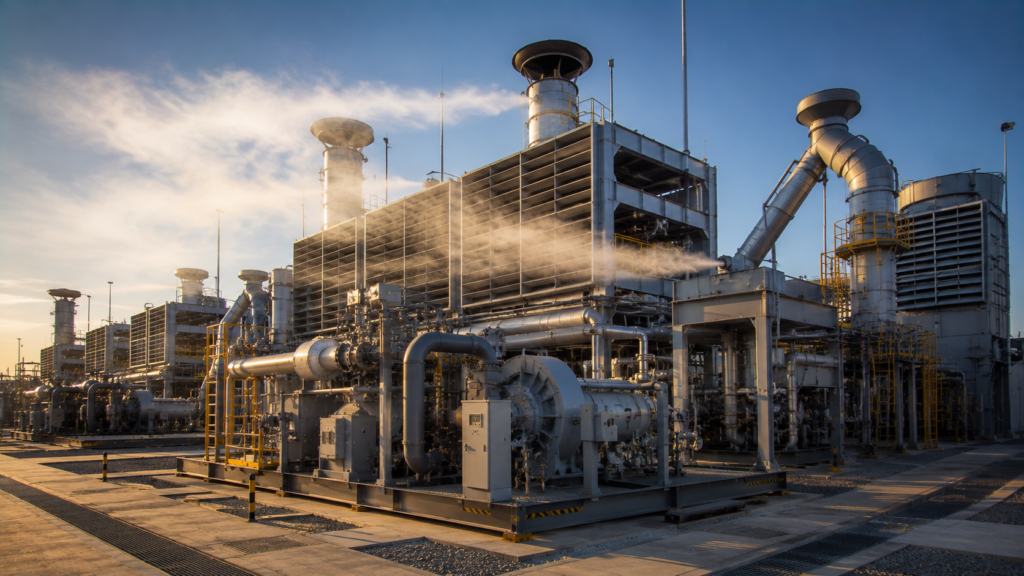
We study release behaviour, thermal loads, and high-risk operating conditions to support safer facility design.
Experiqs helps assess:
This helps support safety planning, design review, and risk reduction decisions.
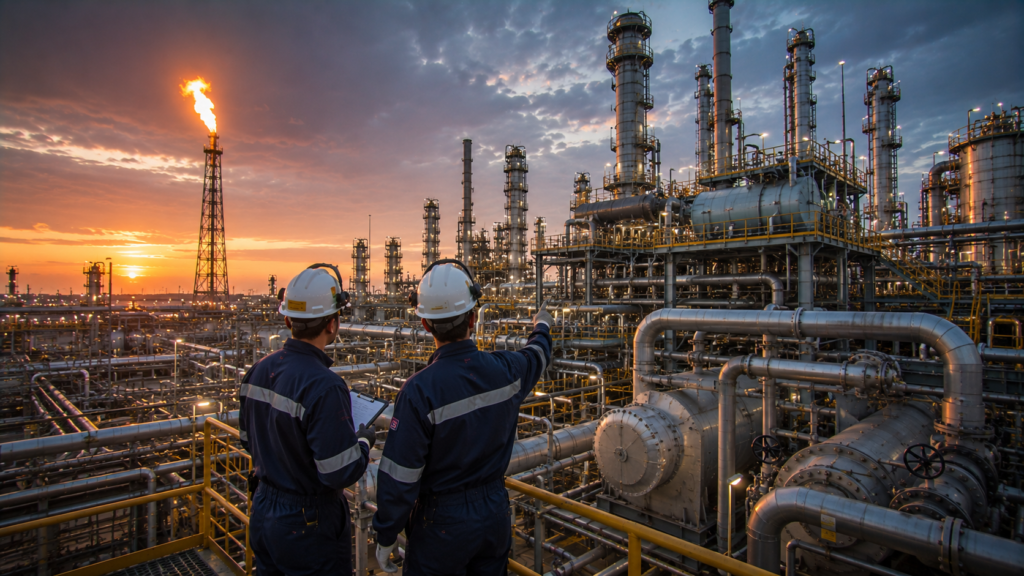
Gas accumulation risks are often higher in enclosed or partially enclosed areas where ventilation may be limited.
We analyze:
This helps identify ventilation limitations and hazardous gas accumulation risks in critical areas.
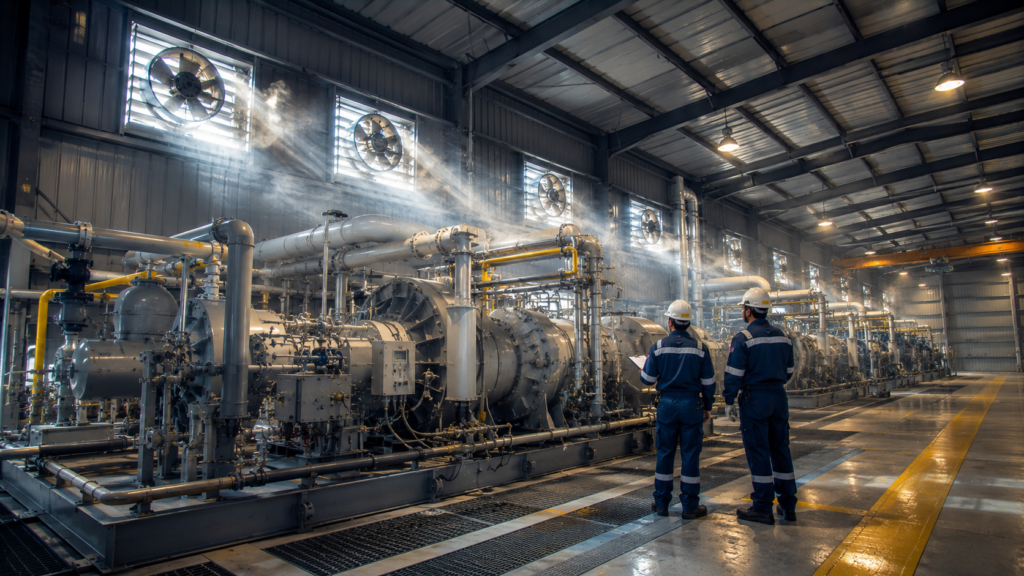
Gas dispersion studies can be linked with emergency and thermal risk evaluation to support safer facility planning.
We help evaluate:
This helps improve safety readiness and facility design decisions.
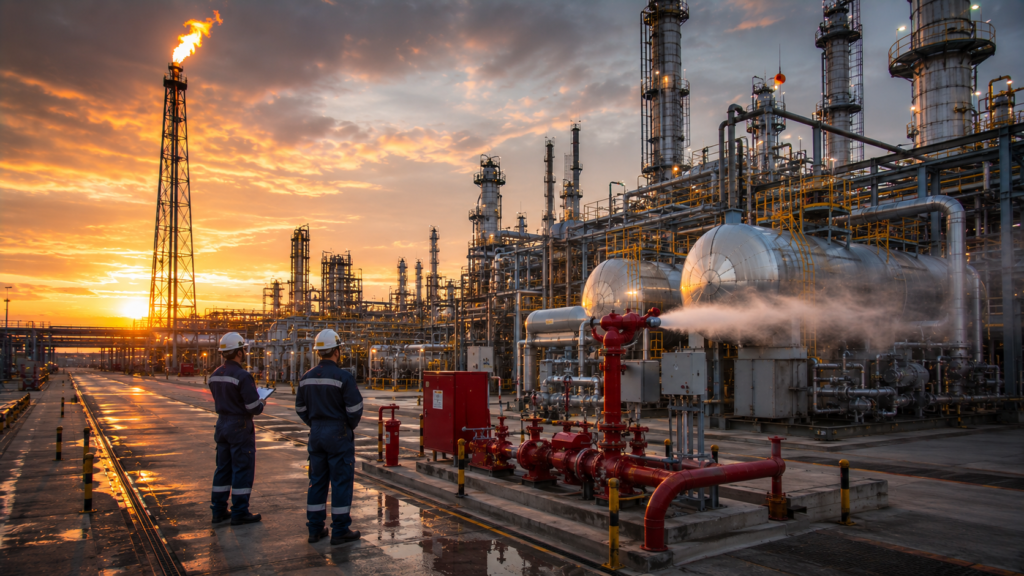
Facility geometry, equipment spacing, ventilation openings, and site layout strongly influence gas movement and accumulation.
We support optimization of:
This helps reduce risk zones and improve practical safety outcomes.

Experiqs helps oil and gas operators, EPC teams, refinery teams, offshore teams, and facility designers address safety-critical gas dispersion and ventilation challenges, including:
Understand how pipelines, equipment, and process systems perform under real operating conditions.
Evaluate airflow paths, dilution effectiveness, stagnant zones, and ventilation coverage in process areas.
Use simulation insights to improve equipment layout, ventilation openings, risk zones, and emergency planning.
Identify enclosed, congested, or poorly ventilated areas where hazardous gas may build up.
Assess high-risk release conditions, abnormal operating scenarios, and safety-critical response requirements.
Use CFD-based evidence to support design reviews, safety studies, mitigation planning, and risk reduction actions.
Our Gas Dispersion, Ventilation & Safety Analysis service is suitable for:
Experiqs combines CFD simulation, airflow analysis, gas dispersion modelling, ventilation assessment, thermal load evaluation, and safety-focused engineering to support safer oil and gas facility design and operation.
Our strength lies in visualizing how hazardous gases behave in real facility environments. We help clients understand where gas may accumulate, how ventilation performs, and which design or operating changes can reduce safety risk.
By validating gas dispersion and ventilation behaviour virtually, Experiqs helps oil and gas teams improve safety planning, reduce hazardous zones, support emergency preparedness, and make better facility design decisions.
Analyze hazardous gas release, dispersion, accumulation, ventilation effectiveness, and emergency scenarios with Experiqs’ Gas Dispersion, Ventilation & Safety Analysis services.
Talk to our experts to evaluate your oil and gas facility and identify practical opportunities for safer ventilation, reduced gas accumulation risk, and stronger emergency scenario planning.
Partner with Experiqs to transform complex ideas into validated, industry-ready engineering solutions
Discover how to partner with Experiqs and get started quickly
Whether you’re exploring a new R&D initiative, seeking advanced simulations, planning experimental validation, or evaluating product feasibility—our experts are ready to assist you.
