
More results...
More results...
Machining productivity depends not only on machine capability and cutting tools, but also on how the tool moves through the workpiece. Poorly planned tool paths can increase cycle time, create excessive cutting forces, cause vibration, reduce surface quality, accelerate tool wear, and increase the risk of dimensional variation.
Tool Path Optimization helps manufacturers improve machining efficiency by refining tool movement, cutting sequence, entry and exit strategies, cutting parameters, and material removal patterns. By using simulation-led engineering, machining data analysis, and process optimization, Experiqs helps improve production speed, tool life, surface finish, and overall process stability.
Experiqs provides Tool Path Optimization services for CNC machining, milling, turning, drilling, grinding, die and mold manufacturing, automotive component production, aerospace components, precision machining, and high-volume manufacturing environments. We support cycle time reduction, tool load balancing, cutting force reduction, vibration control, surface quality improvement, and machining strategy optimization.
Tool path design directly affects machining time, tool wear, part quality, and machine utilization. Even when the same machine, tool, and material are used, different tool path strategies can produce very different outcomes in cycle time, surface finish, heat generation, vibration, cutting stability, and tool life.
Inefficient tool paths can create unnecessary air cutting, excessive tool travel, repeated repositioning, uneven material removal, sudden load changes, and unstable cutting conditions. These issues increase machining time and reduce productivity.
Poor cutting sequence or aggressive tool engagement can also lead to high localized tool load, chatter, vibration, tool deflection, and uneven wear. This can affect dimensional accuracy, surface finish, and repeatability across production batches.
Tool Path Optimization helps manufacturers move from fixed machining routines to performance-focused machining strategies. Experiqs helps identify where time is being lost, where tool load is excessive, and how machining paths can be refined to improve speed, quality, and tool life.
We refine tool movement, cutting sequence, and machining strategy to reduce unnecessary machining time and improve production speed.
Our analysis helps assess:
This helps manufacturers increase output without compromising part quality.
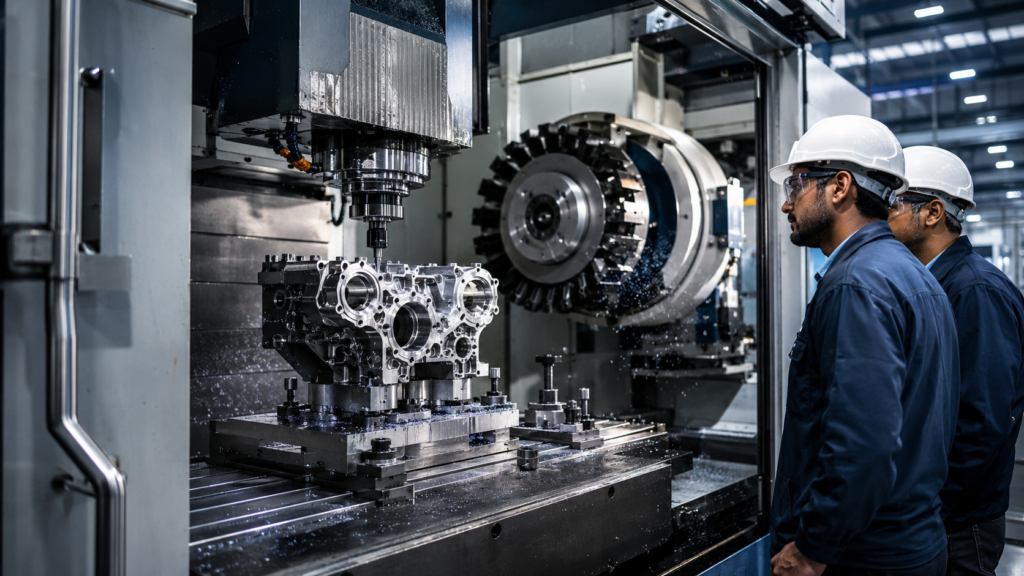
Excessive or uneven tool load can reduce tool life, increase vibration, and affect machining stability.
Experiqs helps reduce:
This helps improve tool life and machining consistency.
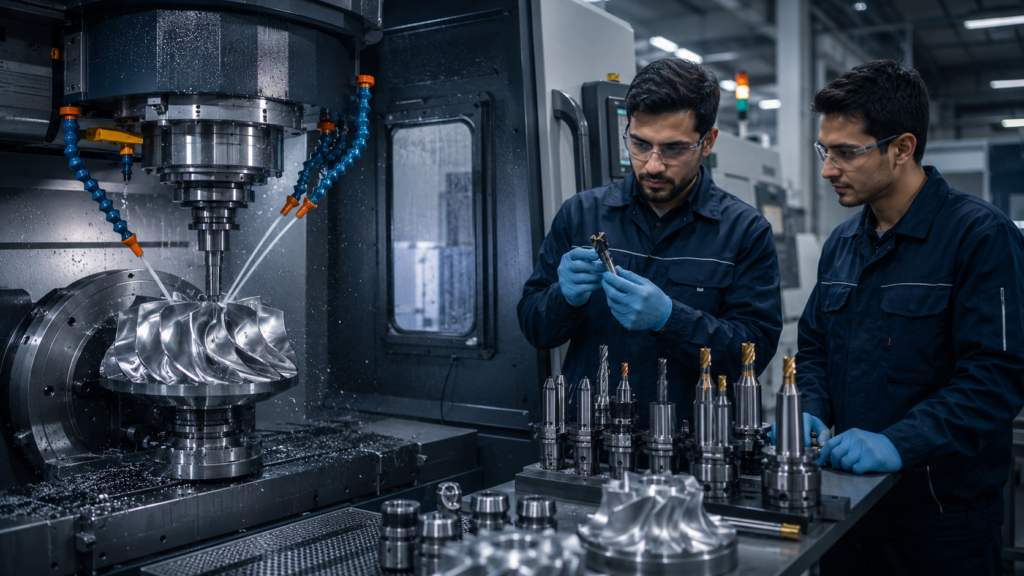
Surface quality depends on tool path smoothness, cutting stability, tool engagement, feed strategy, and vibration control.
We help improve:
This helps reduce rework, scrap, and quality variation.
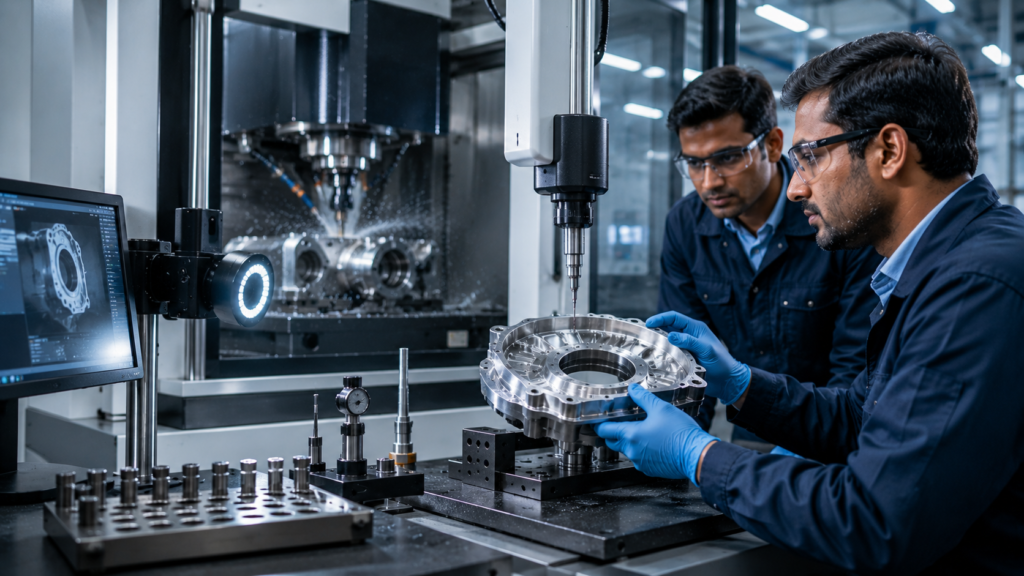
Tool path performance is closely linked with feed rate, spindle speed, depth of cut, step-over, tool engagement, and material removal strategy.
We help evaluate:
This helps improve productivity while maintaining stable cutting conditions.
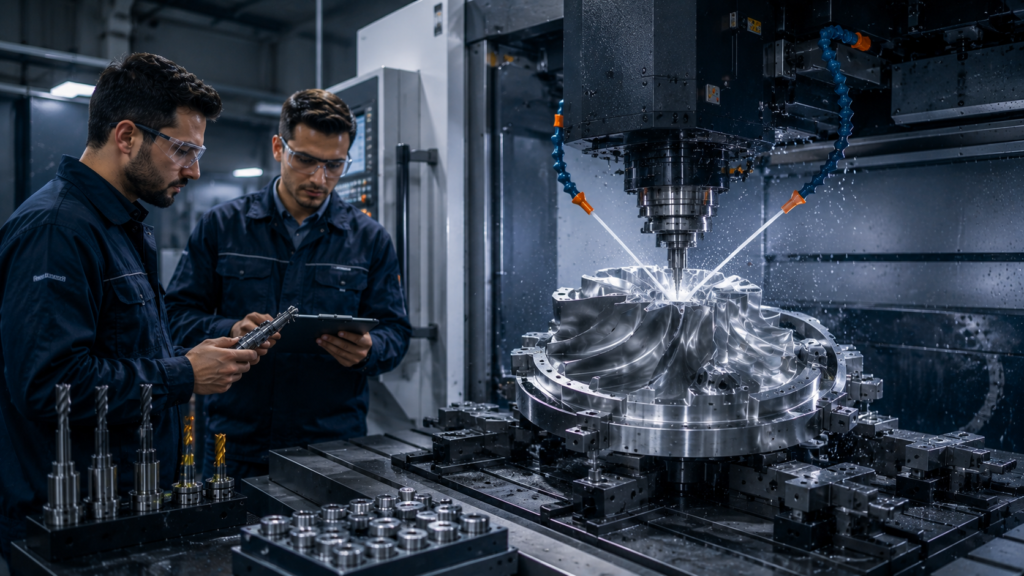
Machining vibration can reduce surface quality, damage tools, and affect dimensional accuracy.
We help identify:
This helps achieve smoother machining and better part quality.
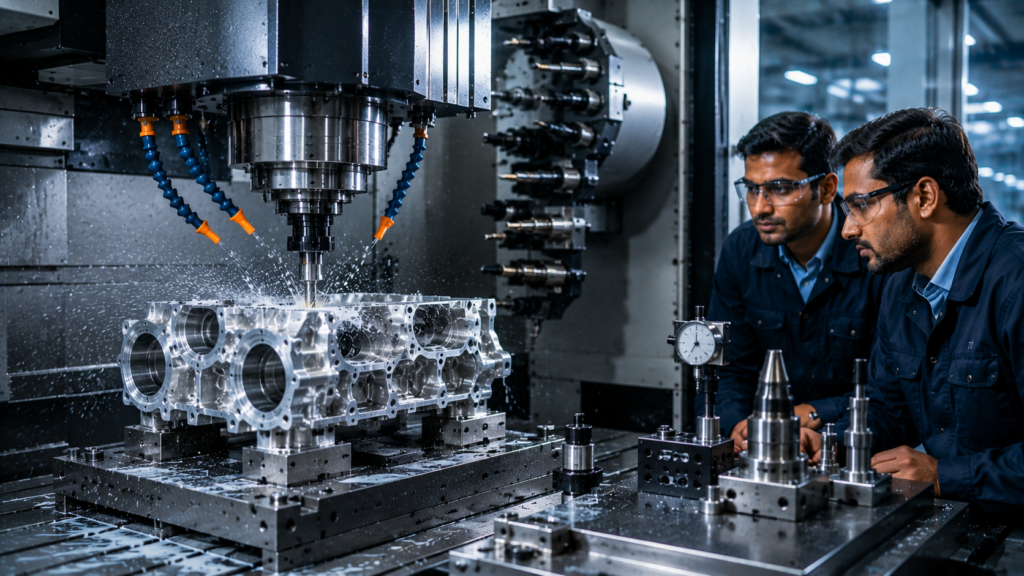
A balanced tool path can reduce localized wear and extend useful tool life.
We support optimization of:
This helps reduce tooling cost and improve production reliability.
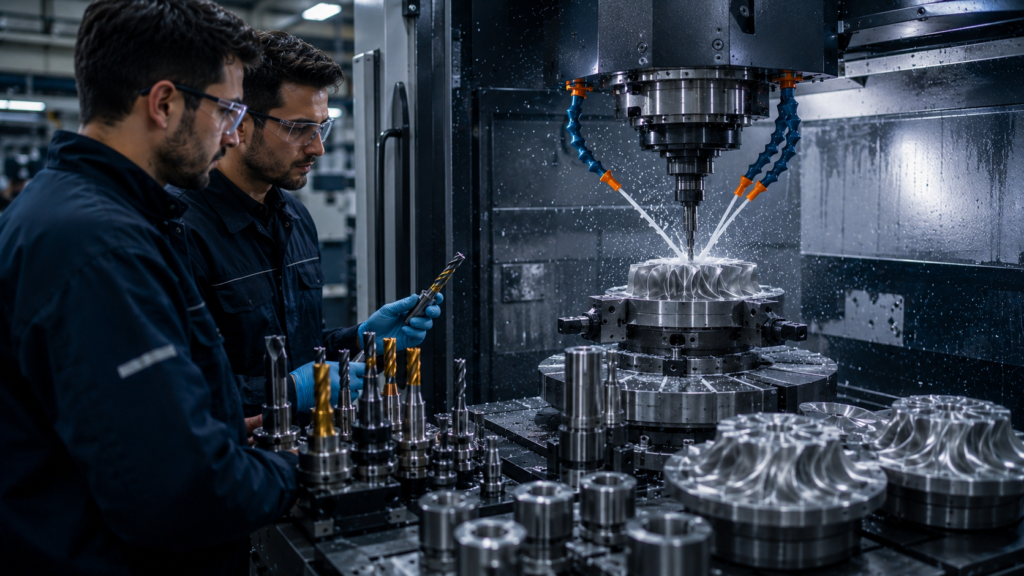
Experiqs helps manufacturers address tool path and machining performance challenges, including:
Improve tool movement, cutting sequence, and machining strategy to reduce overall production time.
Reduce excessive cutting forces, localized wear, heat buildup, and unstable tool engagement.
Improve machining consistency, dimensional accuracy, finish quality, and final part appearance
Reduce cycle time, tooling cost, rework, scrap, and machine downtime caused by unstable machining.
Reduce vibration, chatter, tool deflection, and sudden load variations during machining.
Increase machine productivity while maintaining quality, repeatability, and tool reliability.
Experiqs combines machining process understanding, simulation-led engineering, AI/ML capability, tool wear analysis, vibration assessment, and manufacturing optimization expertise to improve tool path performance.
Our strength lies in connecting machining strategy with real production outcomes. We help clients understand where cycle time is being lost, why tool wear is increasing, and how tool paths can be refined to improve productivity without compromising quality.
By optimizing tool paths and machining strategies, Experiqs helps manufacturers reduce production time, improve tool utilization, enhance surface quality, and make better process engineering decisions.
Reduce machining cycle time, improve tool life, lower cutting forces, reduce vibration, and improve surface quality with Experiqs’ Tool Path Optimization services.
Talk to our experts to evaluate your machining process and identify practical opportunities for faster production, better finish quality, and stronger tool reliability.
Partner with Experiqs to transform complex ideas into validated, industry-ready engineering solutions
Discover how to partner with Experiqs and get started quickly
Whether you’re exploring a new R&D initiative, seeking advanced simulations, planning experimental validation, or evaluating product feasibility—our experts are ready to assist you.
