
More results...
More results...
Fans, blowers, and air movement systems play a critical role in thermal equipment, HVAC systems, industrial ventilation, cooling systems, process airflow, exhaust systems, and mission-critical infrastructure. Their performance directly affects airflow delivery, pressure rise, energy efficiency, acoustic behavior, vibration response, and long-term reliability.
When fan systems are not optimized, they can suffer from poor airflow distribution, insufficient pressure generation, high power consumption, excessive noise, vibration issues, unstable operation, recirculation, flow separation, and premature component wear.
Experiqs provides Fan & Air Movement System Optimization services for industrial fans, blowers, impellers, fan housings, ducts, ventilation systems, cooling systems, thermal equipment, and industrial machinery. We use CFD simulation, fan performance analysis, aeroacoustic evaluation, structural assessment, vibration analysis, and simulation-driven design optimization to improve airflow performance, reduce noise, enhance reliability, and optimize energy use.
Thermal and multiphysics analysis helps engineering teams understand how equipment behaves when temperature, flow, pressure, and structural loads act together. This is especially important for systems exposed to high heat generation, cooling demand, thermal gradients, vibration, pressure fluctuations, and mechanical stress.
Experiqs provides Thermal & Multiphysics Analysis services for thermal equipment, heat exchangers, cooling systems, HVAC systems, industrial machinery, fluid handling equipment, electronics cooling, process equipment, energy systems, and mission-critical infrastructure. We combine CFD simulation, FEA, thermal analysis, fluid-structure interaction, and coupled physics modeling to predict real-world performance more accurately.
Fan and blower performance depends on the interaction between rotating components, blade geometry, casing design, inlet conditions, outlet ducts, system resistance, operating speed, pressure requirements, and surrounding equipment layout.
A fan may perform well in isolated testing but underperform after installation due to poor inlet flow, duct resistance, swirl, blockage, recirculation, system effects, or mismatch between the fan and operating duty point.
Poor fan performance can increase energy cost, reduce cooling or ventilation effectiveness, create high noise levels, introduce vibration risks, and shorten equipment life. In industrial systems, this can affect thermal control, process reliability, worker comfort, equipment safety, and operational efficiency.
CFD simulation and engineering analysis help identify how air moves through the fan and connected system. Aeroacoustic analysis helps predict and reduce flow-induced noise. Structural and vibration assessment helps evaluate rotating components, housings, supports, and critical speed risks for safe operation.
Experiqs helps clients move from trial-and-error fan modifications to simulation-led air movement optimization by identifying the root causes of performance loss and validating improvements before manufacturing or field implementation.
Thermal gradients can cause expansion, distortion, fatigue, sealing issues, stress concentration, and material degradation. Flow forces can create vibration, structural loading, pressure pulsation, and instability. Heat transfer behavior can change depending on airflow, liquid flow, geometry, materials, and operating conditions.
Traditional single-physics analysis may not fully capture these interactions. Multiphysics simulation helps connect thermal, fluid, and structural behavior into one engineering view.
Experiqs helps clients identify hidden risks, improve design reliability, and validate equipment performance before manufacturing, testing, or field implementation.
We improve fan and blower performance by analyzing airflow delivery, pressure rise, power consumption, and efficiency across operating conditions.
Our analysis helps assess:
This helps improve air movement performance while reducing unnecessary energy use.
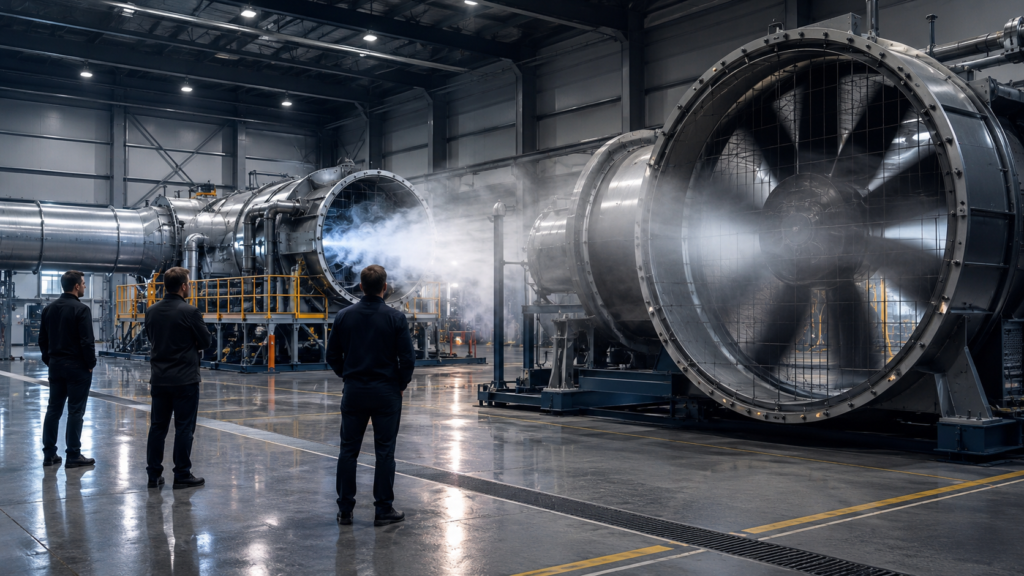
We use CFD simulation to understand airflow behavior through fans, housings, ducts, inlets, outlets, plenums, and connected ventilation paths.
We help evaluate:
This helps identify hidden flow problems that reduce fan system efficiency.
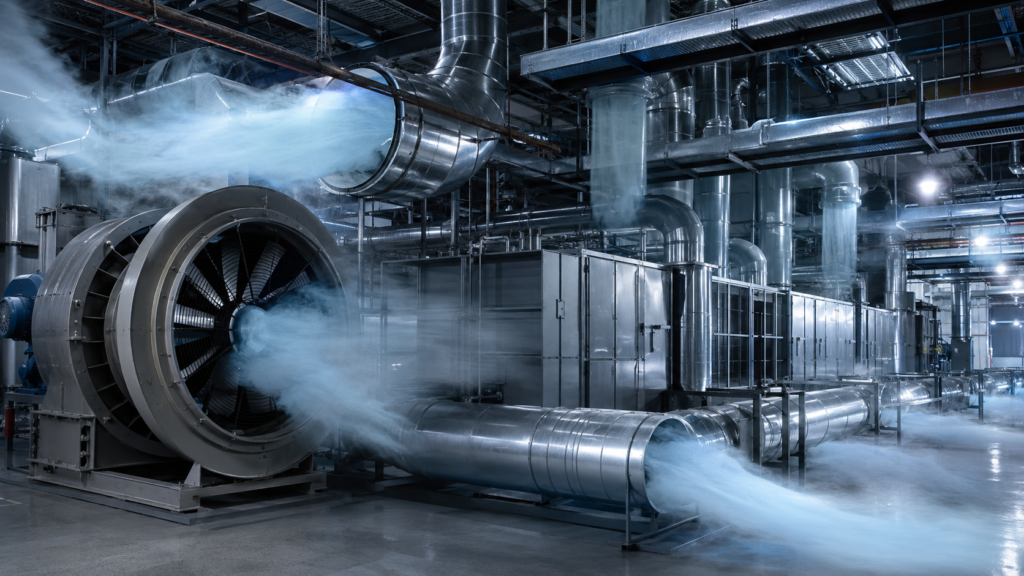
Flow-induced noise can reduce equipment acceptability, workplace comfort, and product quality. Experiqs supports simulation-led acoustic evaluation to predict and reduce fan noise.
We analyze:
This helps improve acoustic performance while maintaining airflow and pressure requirements
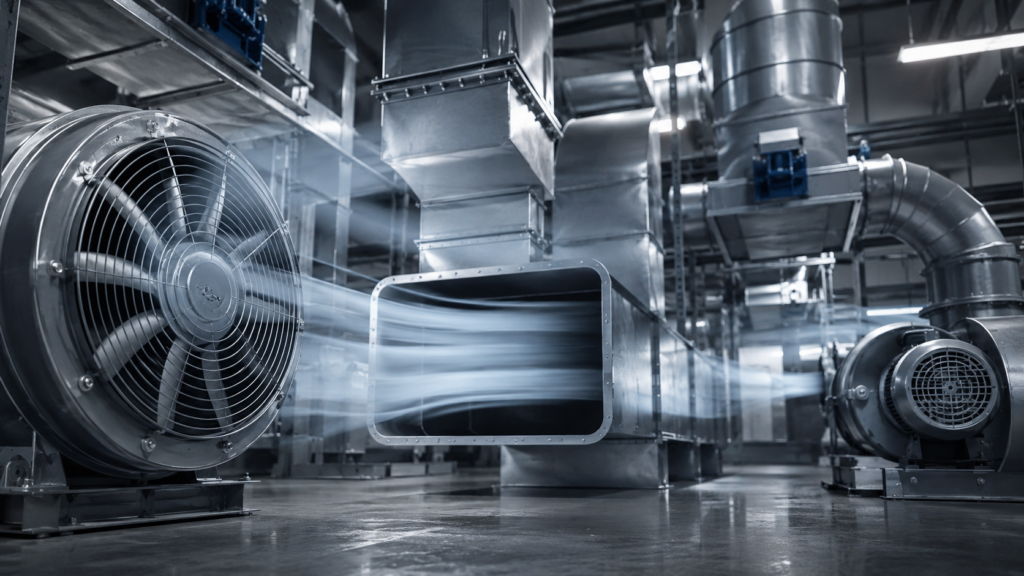
Fan blades, housings, rotating components, supports, shafts, and mounting structures must remain safe under operating loads and speeds.
Experiqs helps evaluate:
This helps improve safe operation, durability, and long-term reliability.
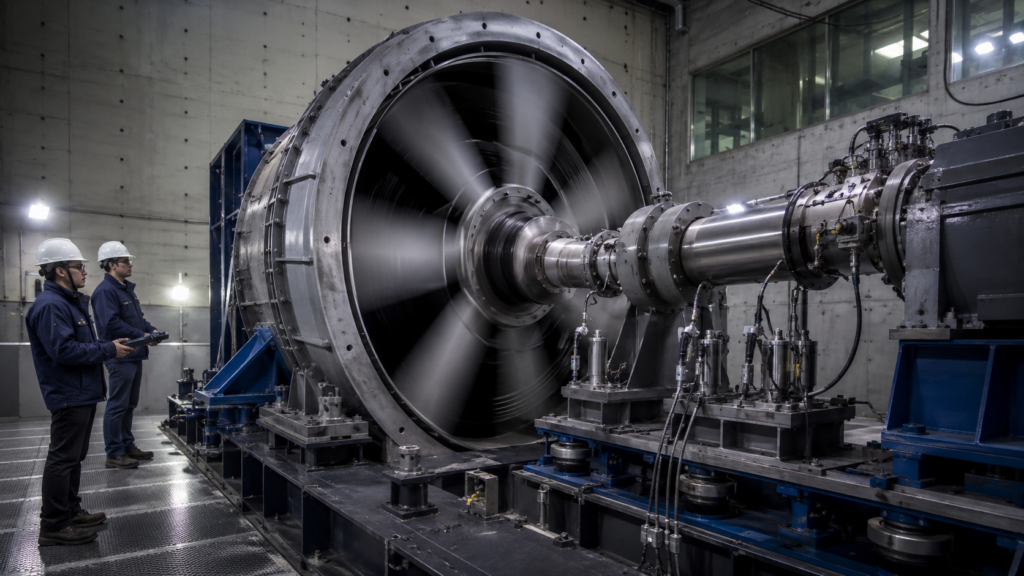
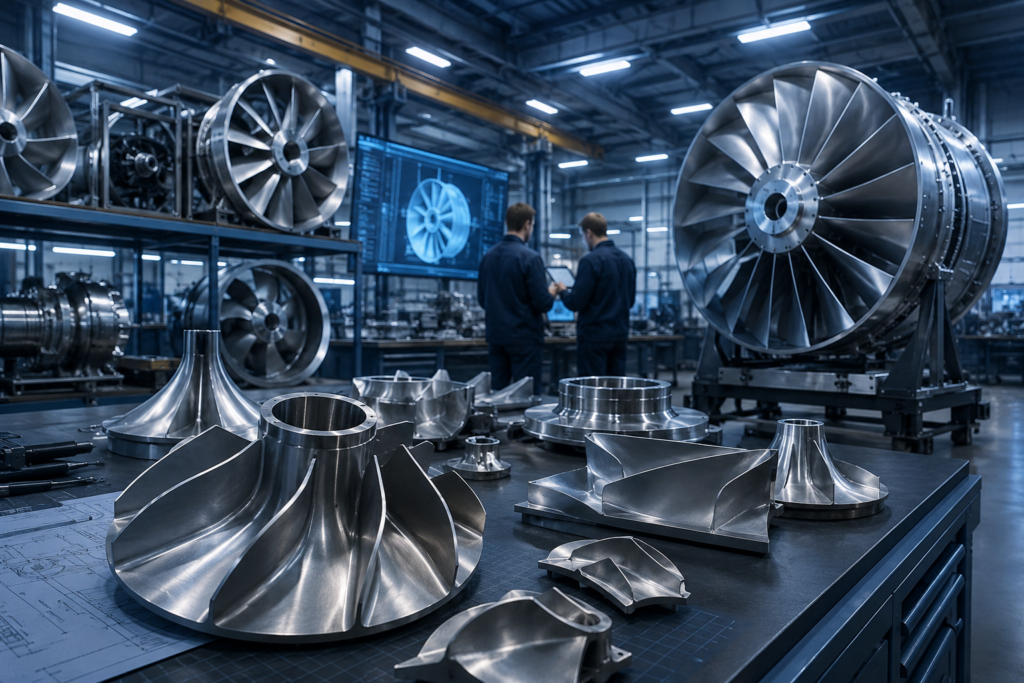
Blade and impeller geometry strongly influence airflow, pressure rise, efficiency, noise, and vibration behavior.
We support optimization of:
This helps improve fan performance while reducing losses and instability.
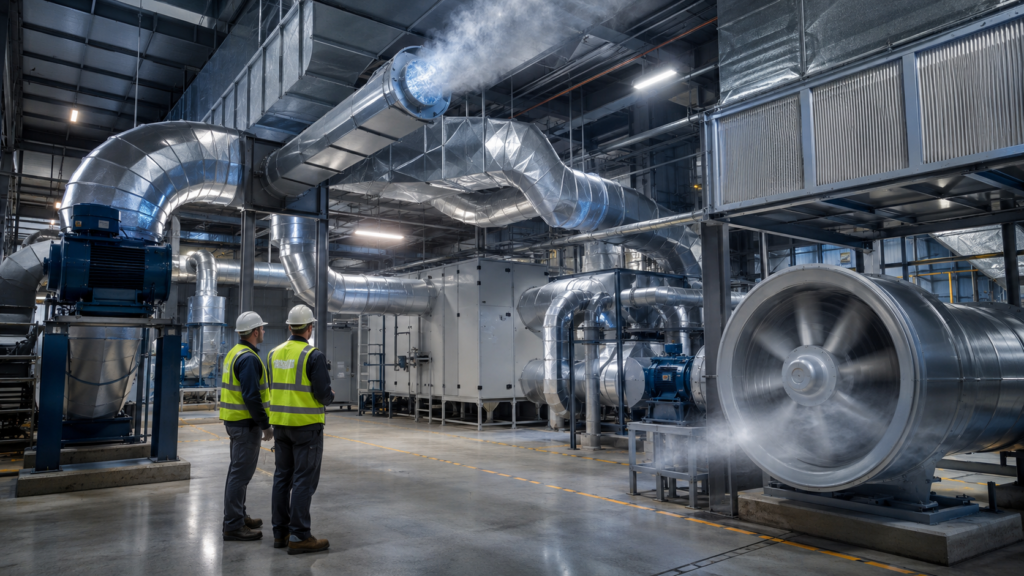
Fan performance is strongly affected by connected ducting, plenums, filters, dampers, bends, diffusers, silencers, and equipment spacing.
We analyze and improve:
This helps ensure the fan operates efficiently within the complete air movement system.
Increase airflow movement through fans, blowers, ducts, ventilation paths, and cooling systems.
Improve fan pressure generation and reduce system resistance for more reliable operation.
Reduce fan power consumption by improving airflow quality, pressure performance, and system integration.
Identify and reduce flow-induced noise sources through aeroacoustic analysis and design refinement.
Evaluate fan blades, rotating components, housings, supports, and critical speeds for safer operation.
Compare fan, impeller, duct, and housing design options virtually before manufacturing or field changes.
Experiqs combines CFD simulation, fan performance analysis, thermal engineering, aeroacoustic evaluation, structural assessment, vibration analysis, and simulation-driven product development expertise to improve industrial fan and air movement systems.
Our strength lies in understanding how fan geometry, system resistance, airflow paths, acoustic behavior, and structural response interact inside real operating environments. We help clients identify hidden performance losses, reduce noise and vibration risks, improve energy efficiency, and validate design improvements before implementation.
By using simulation-led engineering, Experiqs helps teams improve fan output, reduce operating cost, enhance reliability, and develop better-performing air movement systems.
Improve fan performance, airflow delivery, pressure rise, aeroacoustic behavior, and vibration reliability with Experiqs’ Fan & Air Movement System Optimization services.
Talk to our experts to evaluate your fan or air movement system and identify practical opportunities for better airflow, lower noise, improved efficiency, and safer long-term operation.
Partner with Experiqs to transform complex ideas into validated, industry-ready engineering solutions
Discover how to partner with Experiqs and get started quickly
Whether you’re exploring a new R&D initiative, seeking advanced simulations, planning experimental validation, or evaluating product feasibility—our experts are ready to assist you.
