
More results...
More results...
Thermal systems perform best when every component works together as one coordinated system. Fans, pumps, heat exchangers, chillers, cooling units, ducts, piping networks, sensors, controls, and operating logic must respond intelligently to changing loads, temperatures, flow conditions, and environmental demands.
System-level optimization is not only about improving individual components. It is about improving how the complete system behaves, adapts, consumes energy, maintains stability, and responds to real-world operating conditions.
Experiqs provides System-Level Optimization and Control services for thermal systems, cooling systems, HVAC systems, data center cooling infrastructure, industrial thermal equipment, energy systems, and mission-critical facilities. We help engineering teams improve system efficiency, optimize control strategies, integrate multiple components, and use digital twins and real-time data to predict performance issues before they become failures.
Many thermal systems underperform because components are optimized separately but not coordinated effectively at the system level. A fan may work properly, a pump may meet its specification, and a cooling unit may perform as designed, yet the complete system may still consume excess energy, respond slowly, operate unstably, or fail to adapt to changing conditions.
Poor control strategies can lead to energy waste, unnecessary equipment cycling, uneven cooling, pressure imbalance, thermal instability, premature wear, and reduced system life.
Traditional design reviews may not fully capture how the full system behaves across real operating scenarios. Simulation, control logic evaluation, digital twin modelling, and real-time data analysis help reveal how system components interact and how performance can be improved across the full operating envelope.
Experiqs helps teams move from component-level performance checks to intelligent system-level optimization by analyzing control behavior, equipment interaction, thermal response, flow distribution, energy consumption, and predictive maintenance indicators.
We design and optimize control strategies that improve thermal system efficiency, operational stability, and equipment longevity.
Our analysis helps assess:
This helps systems respond more intelligently to real operating conditions while reducing unnecessary energy consumption and mechanical stress.
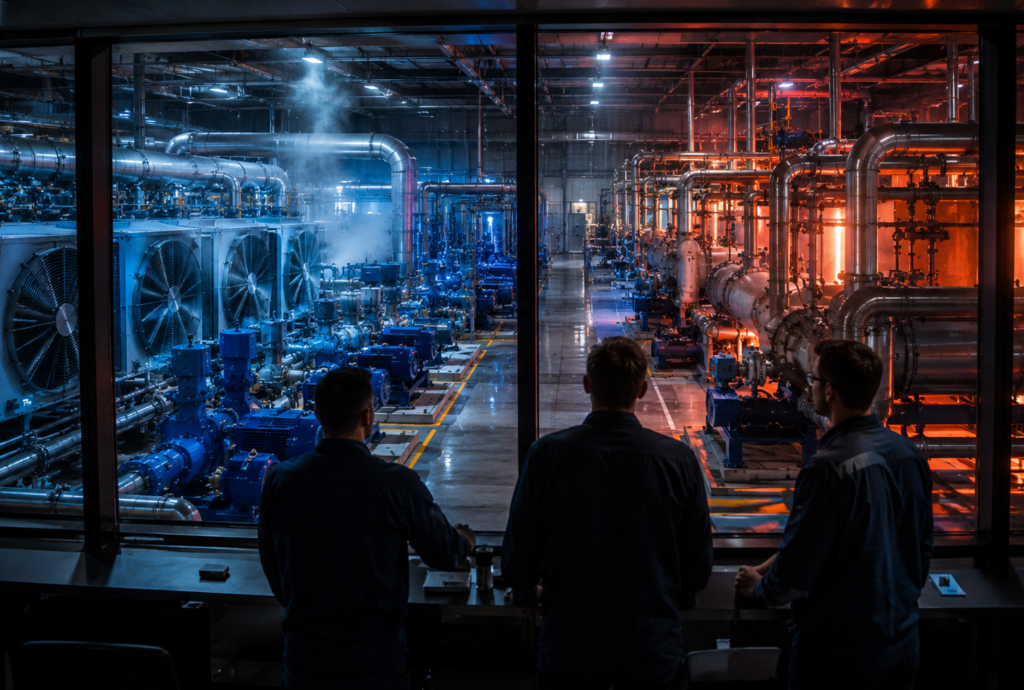
Thermal systems depend on multiple components working together. Experiqs evaluates how equipment, flow paths, sensors, controls, and operating logic interact across the full system.
We analyze:
This helps create a cohesive, high-performing system instead of a collection of disconnected components.
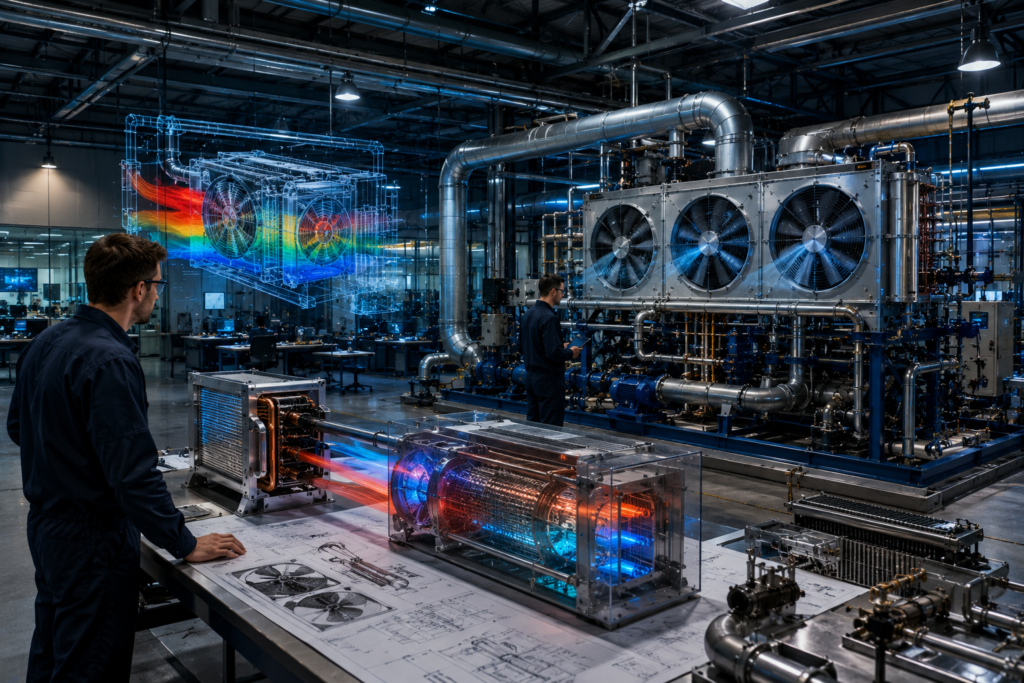
Digital twins and real-time data can help monitor system behavior, detect early warning signs, and predict failures before they affect operation. Experiqs supports predictive maintenance by connecting engineering models with performance data.
We help assess:
This helps reduce downtime, improve maintenance planning, and support more reliable long-term operation.
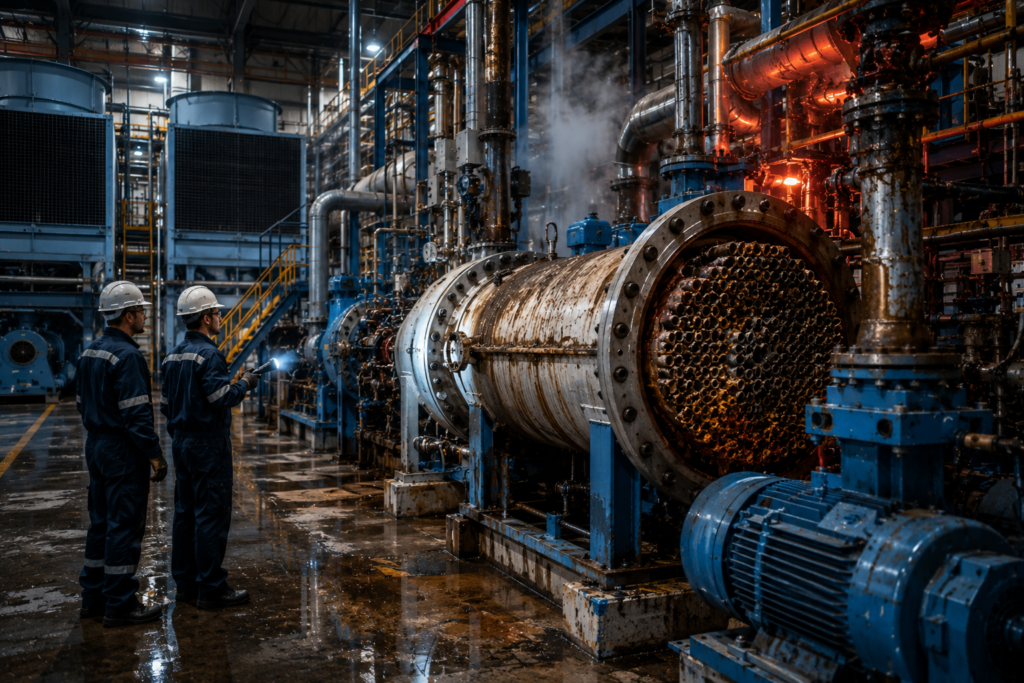
Continuous monitoring allows teams to understand how systems perform under actual operating conditions, not just design assumptions.
Experiqs helps define and evaluate:
This helps facility teams maintain visibility into performance, efficiency, and system health.
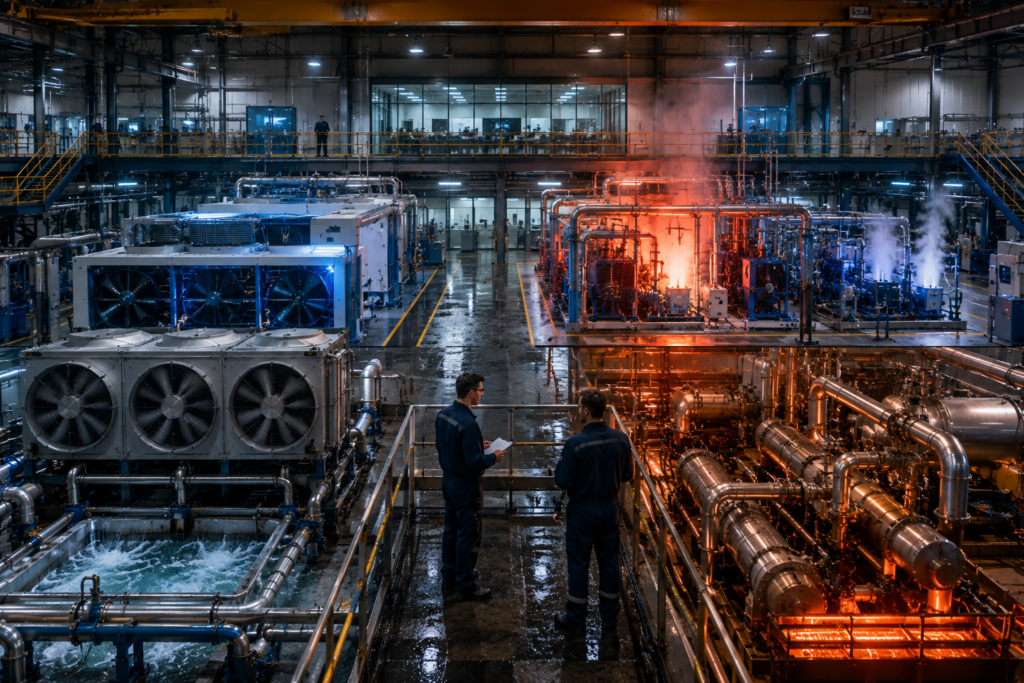
Control decisions directly affect energy consumption. Poor sequencing, incorrect setpoints, excessive cycling, and inefficient load sharing can increase operating costs.
We analyze and optimize:
This helps reduce energy waste while maintaining thermal stability and operational reliability.
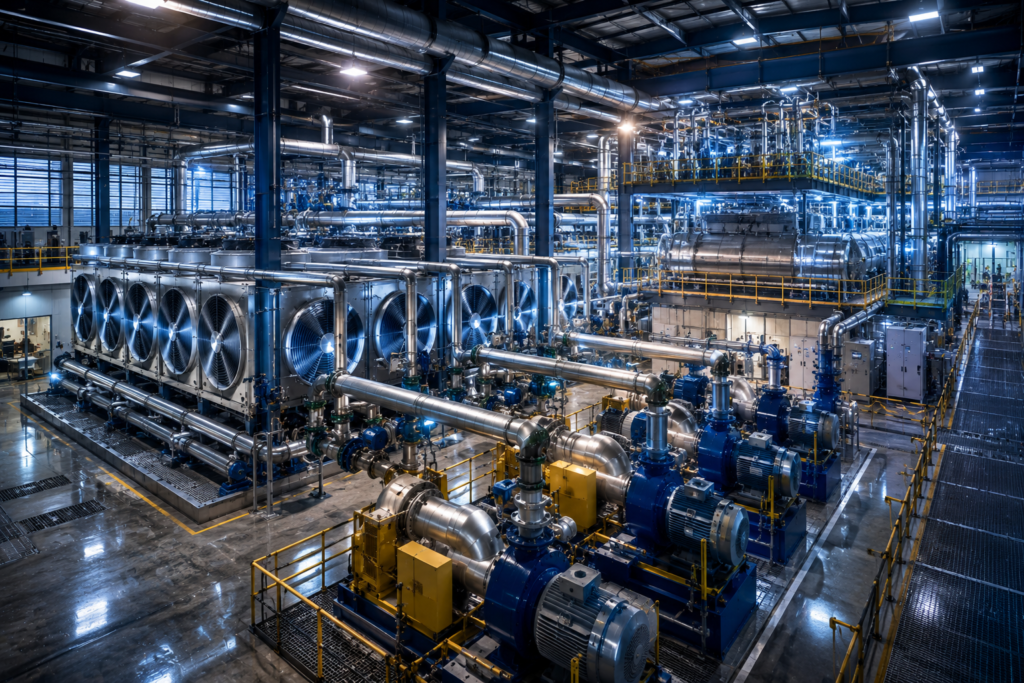
Digital twin models help teams test system behavior virtually, compare control strategies, and predict how the system may perform under changing conditions.
Experiqs supports:
This helps reduce operational risk and improve decision-making before changes are implemented in the real system.
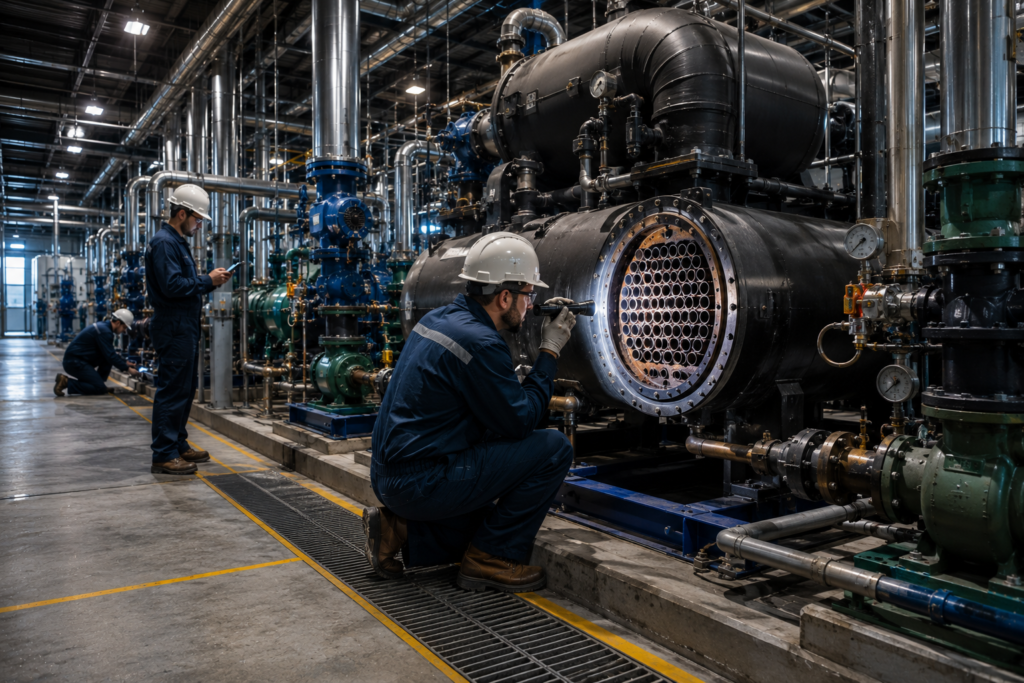
Optimize the full thermal system to reduce energy waste and improve performance across real operating conditions.
Improve setpoints, sequencing, equipment response, and control logic for better stability and efficiency.
Ensure fans, pumps, chillers, heat exchangers, valves, sensors, and controls work together as one integrated system.
Use real-time data and digital twin insights to identify early warning signs and improve maintenance planning.
Reduce unnecessary cycling, mechanical stress, unstable operation, and inefficient control behavior.
Use simulation, system modelling, and monitoring insights to make better control, maintenance, and optimization decisions.
Experiqs combines thermal engineering, CFD simulation, system modelling, control strategy analysis, digital twin development, energy optimization, and predictive maintenance expertise to improve complete system performance.
Our strength lies in understanding how individual components interact inside a real operating system. We help clients identify inefficient control behavior, poor integration, hidden performance losses, maintenance risks, and opportunities for smarter system operation.
By validating system behavior before changes are implemented, Experiqs helps teams improve efficiency, reduce downtime, extend equipment life, and operate thermal systems with greater intelligence and control.
Improve control strategies, integrate system components, reduce energy waste, and predict equipment failures with Experiqs’ System-Level Optimization and Control services.
Talk to our experts to evaluate your thermal system performance and identify practical opportunities for smarter control, better integration, and long-term operational reliability.
Partner with Experiqs to transform complex ideas into validated, industry-ready engineering solutions
Discover how to partner with Experiqs and get started quickly
Whether you’re exploring a new R&D initiative, seeking advanced simulations, planning experimental validation, or evaluating product feasibility—our experts are ready to assist you.
