
More results...
More results...
Thermal systems must deliver reliable performance while minimizing energy consumption, pressure losses, overheating risk, and operational inefficiencies. Poor heat transfer, inefficient flow paths, excessive pressure drop, uneven temperature distribution, and seasonal load variation can reduce system efficiency and increase long-term operating costs.
Experiqs provides CFD-based Thermal System Performance and Efficiency Optimization services for cooling systems, HVAC systems, heat exchangers, industrial thermal systems, data center cooling infrastructure, fluid flow networks, and energy-intensive engineering applications.
We help engineering teams identify hidden inefficiencies, improve heat transfer, optimize airflow and fluid flow paths, reduce energy waste, and enhance overall system reliability.
Thermal and fluid systems often lose efficiency because of poor flow distribution, high resistance, ineffective heat transfer, equipment mismatch, geometry limitations, and changing operating conditions.
These inefficiencies can lead to:
Traditional performance checks may show that a system is underperforming, but they often do not explain why. CFD simulation and engineering analysis help reveal how heat, airflow, fluid flow, pressure, geometry, and operating conditions interact inside the system.
Experiqs helps teams move from basic performance review to data-driven optimization by identifying where losses occur and which design or operational changes can deliver measurable efficiency improvement.
We improve heat transfer and thermal performance by analyzing temperature distribution, heat flow behavior, thermal resistance, material interaction, cooling effectiveness, and system-level thermal stability.
Our analysis helps assess:
This helps improve thermal efficiency, reduce overheating risk, and enhance long-term system reliability.
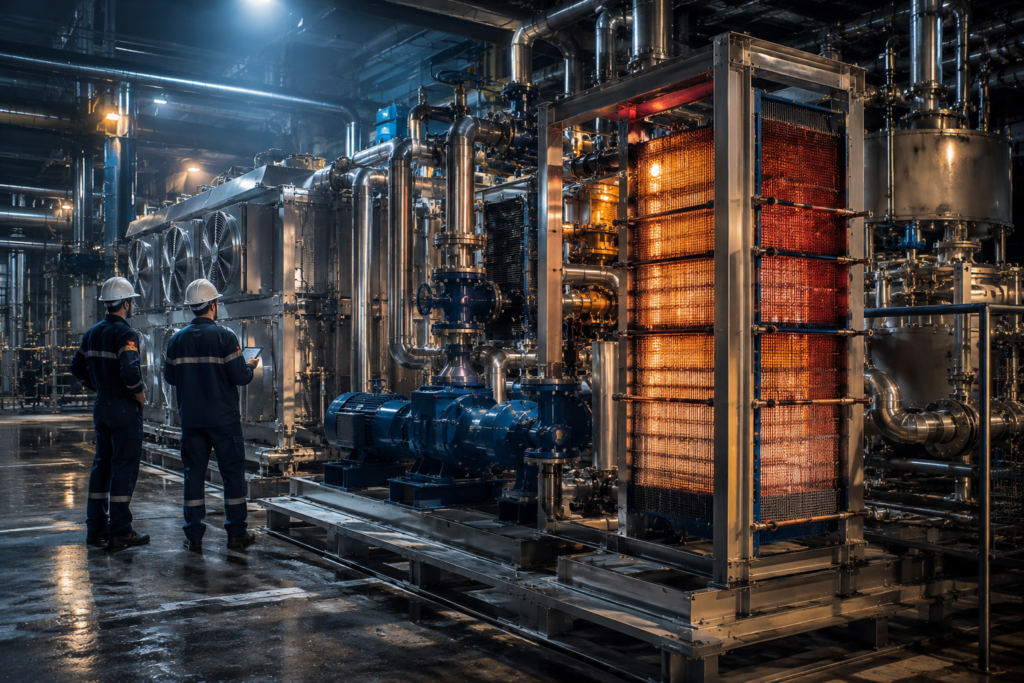
Inefficient airflow or fluid flow paths can create unnecessary resistance, pressure drop, recirculation, turbulence, and performance loss. Experiqs analyzes flow behavior to identify where system geometry, layout, or operating conditions can be improved.
We evaluate:
This helps minimize flow losses, improve distribution, and reduce the energy required to operate the system.
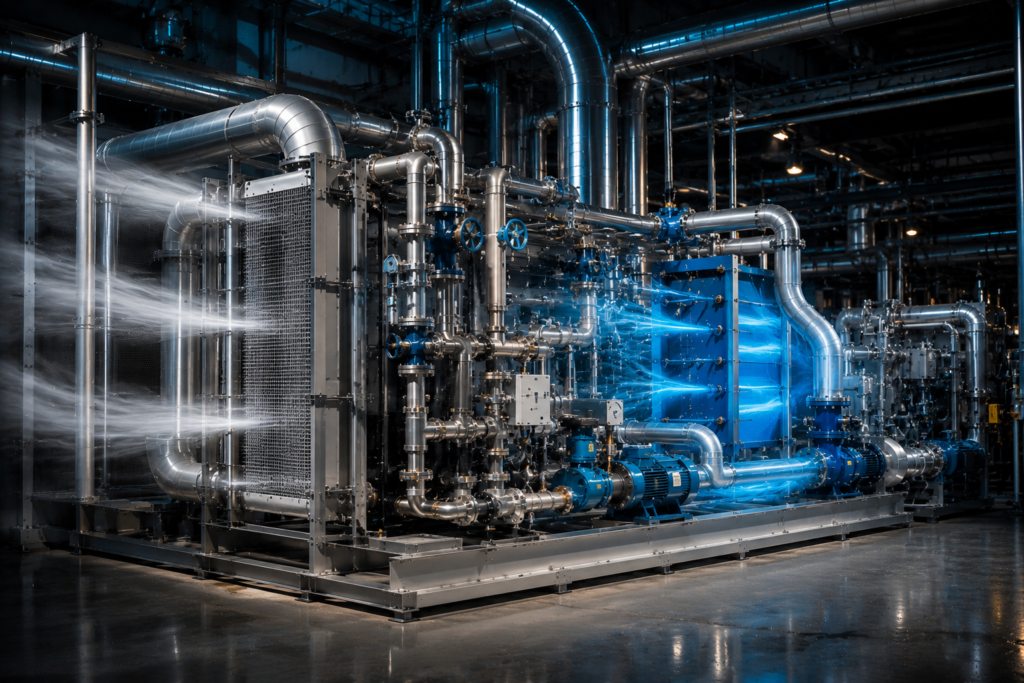
Energy efficiency depends on how well the system performs across real operating conditions, seasonal loads, part-load behavior, and environmental variation.
We analyze:
This helps identify where energy is being wasted and what improvements can deliver practical efficiency gains.
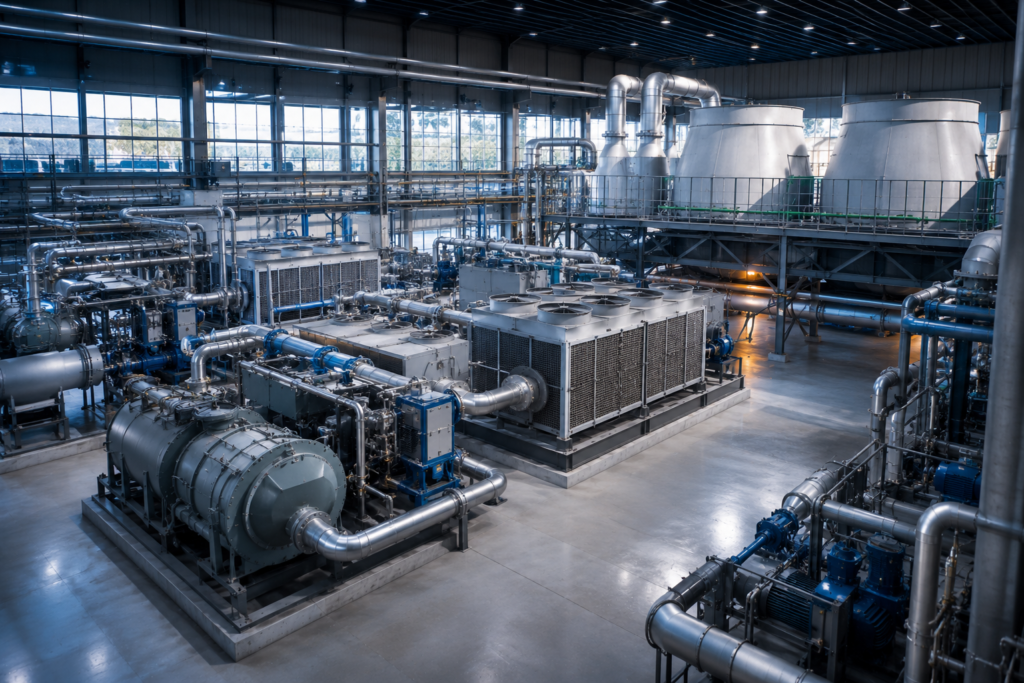
Thermal systems do not operate as isolated components. Experiqs evaluates the complete system to understand how heat transfer, airflow, fluid flow, pressure distribution, equipment placement, geometry, and operating conditions interact.
We assess:
This helps engineering teams optimize the complete system instead of improving isolated components without understanding system-wide impact.
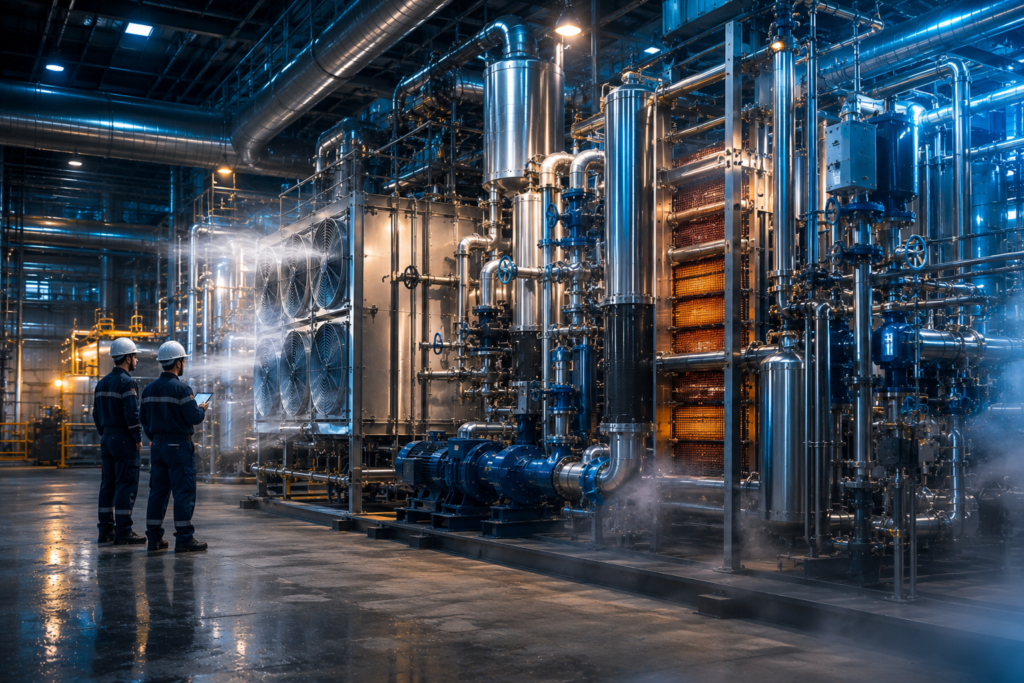
Effective heat transfer is critical for HVAC systems, industrial cooling systems, electronics cooling, data center cooling, heat exchangers, and energy systems.
Experiqs helps improve:
This helps reduce thermal stress, improve cooling efficiency, and support stable operation across different load conditions.
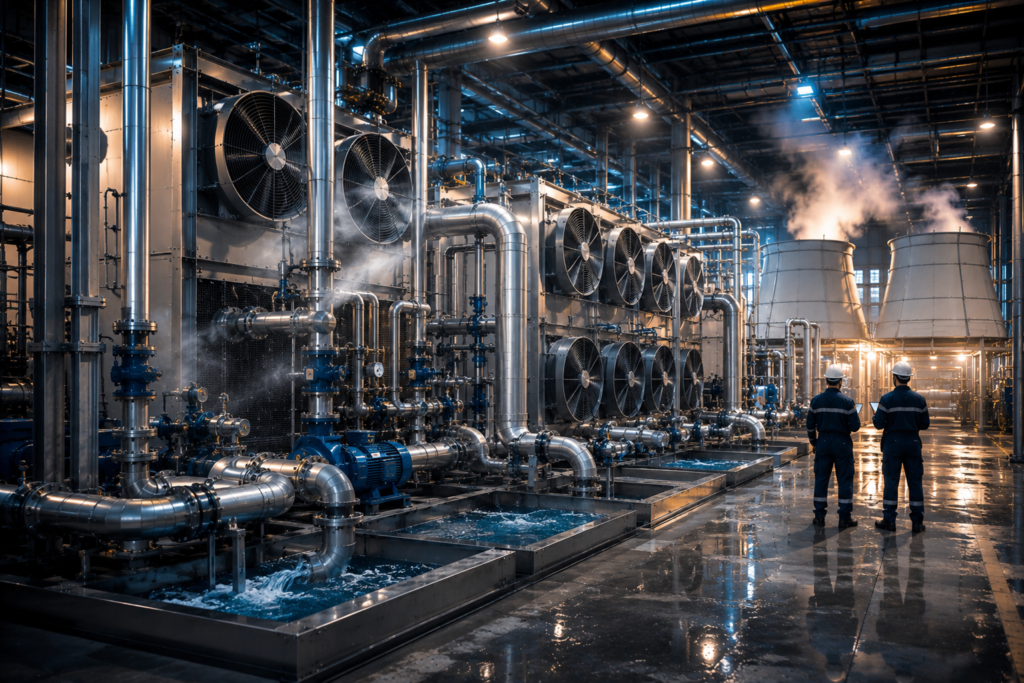
Experiqs supports design improvement by testing multiple optimization options virtually before physical implementation.
We help assess and optimize:
Our recommendations help reduce energy consumption while improving system performance, reliability, and operational efficiency.
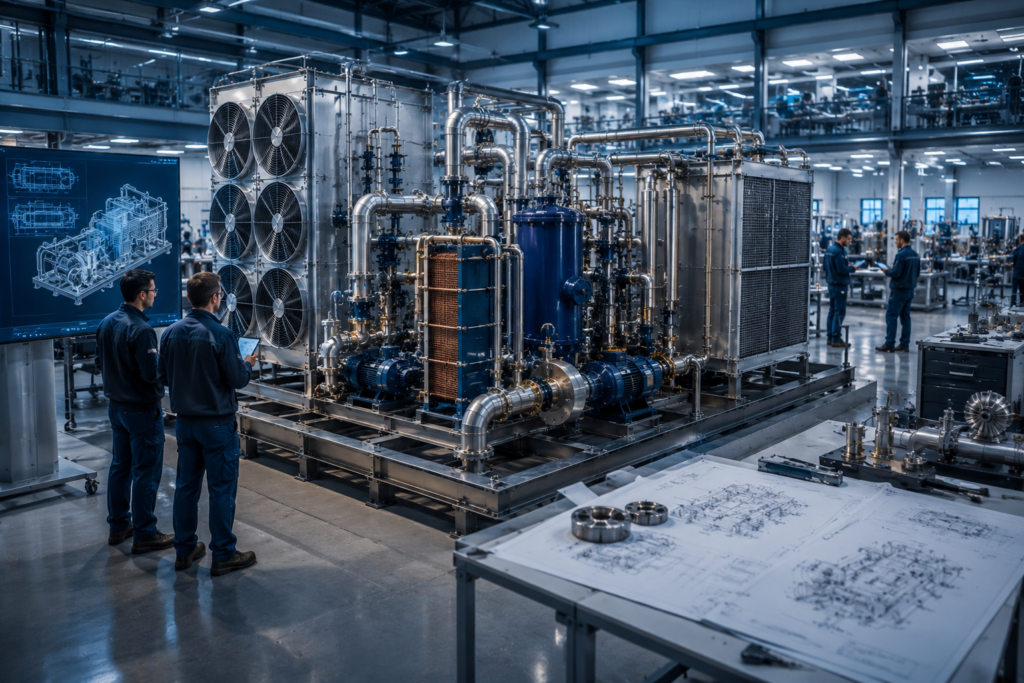
Understand how heat moves through the system and identify design or operational improvements that increase heat transfer performance.
Identify where energy is being wasted through poor flow design, inefficient cooling, pressure drop, resistance, or system-level imbalance.
Optimize airflow or fluid flow paths to reduce resistance, improve distribution, and enhance system behavior.
Reduce overheating, thermal stress, unstable operation, and performance degradation across operating conditions.
Improve ducts, pipes, manifolds, channels, and flow networks to reduce unnecessary resistance and improve operating efficiency.
Compare design alternatives, operating conditions, and performance improvement strategies using simulation-backed engineering evidence.
Experiqs combines thermal engineering, fluid dynamics, CFD simulation, system modelling, energy analysis, and optimization expertise to improve real-world system performance.
Our strength lies in converting complex thermal and flow behavior into clear engineering insights. We help clients understand where performance is being lost, how energy consumption can be reduced, which design changes matter most, and how systems can be optimized before physical implementation.
By validating performance improvement opportunities through CFD simulation and engineering analysis, Experiqs helps teams reduce energy waste, improve efficiency, strengthen reliability, and make better design and operational decisions.
Improve heat transfer, reduce flow resistance, lower energy consumption, and strengthen thermal system reliability with Experiqs’ Performance and Efficiency Optimization services.
Talk to our experts to evaluate your system performance and identify practical optimization opportunities for improved efficiency, reliability, and real-world performance.
Partner with Experiqs to transform complex ideas into validated, industry-ready engineering solutions
Discover how to partner with Experiqs and get started quickly
Whether you’re exploring a new R&D initiative, seeking advanced simulations, planning experimental validation, or evaluating product feasibility—our experts are ready to assist you.
