
More results...
More results...
Offshore and subsea oil and gas systems operate in some of the most demanding engineering environments. Risers, subsea pipelines, flowlines, jumpers, manifolds, subsea equipment, offshore structures, and support systems are exposed to wave loads, current forces, pressure, temperature variation, seabed interaction, vibration, fatigue, and long-term operational stresses.
Offshore & Subsea Engineering helps operators, EPC teams, and equipment manufacturers evaluate how subsea and offshore assets behave under real marine and operating conditions. By combining hydrodynamic analysis, structural simulation, fluid-structure interaction, and fatigue assessment, Experiqs helps identify risks that can affect asset reliability, safety, and service life.
Experiqs provides Offshore & Subsea Engineering services for oil and gas assets exposed to complex environmental and operational loads. We support riser and subsea pipeline analysis, wave and current load assessment, flow-induced vibration studies, vortex-induced vibration evaluation, fatigue assessment, and coupled flow-structure simulation to improve asset performance and reliability.
Offshore and subsea assets must remain reliable under continuously changing ocean and operating conditions. Waves, currents, vortex shedding, internal flow, pressure cycling, installation loads, seabed movement, and thermal effects can all influence structural response and long-term durability.
Risers and subsea pipelines can experience flow-induced vibration, vortex-induced vibration, fatigue damage, local stress concentration, free-span response, buckling risk, and structural instability. Offshore structures and subsea equipment may be affected by hydrodynamic loading, current-induced forces, vibration, fatigue, and complex support conditions.
If these effects are not evaluated properly, they can lead to excessive vibration, fatigue cracking, reduced asset life, leakage, production interruption, inspection challenges, and safety risks.
Simulation-led offshore and subsea engineering helps predict real-world asset behaviour before problems occur. Experiqs helps clients understand how hydrodynamic loads, internal flow, structural response, and operating conditions interact so that risks can be reduced early.
We evaluate risers, subsea pipelines, flowlines, and connected systems exposed to internal flow, external currents, pressure, and structural loads.
Our analysis helps assess:
This helps improve the reliability and safety of critical subsea transport systems.
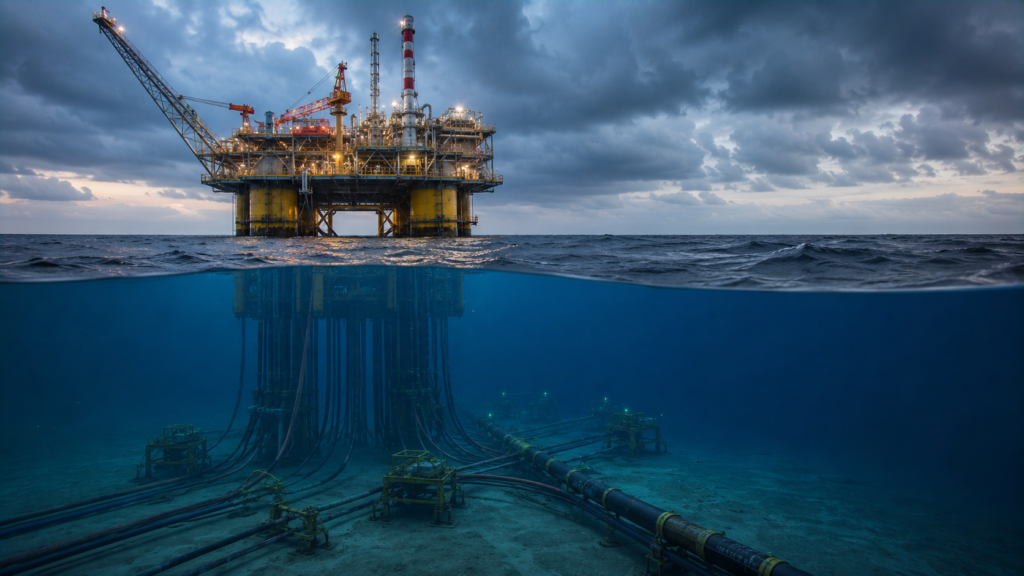
Offshore structures and subsea equipment are continuously exposed to environmental loads from waves, currents, and marine conditions.
We help evaluate:
This helps assess whether offshore and subsea assets can operate safely under expected marine conditions.

Fluid-structure interaction is important when flow forces affect structural motion, stress, vibration, or fatigue life.
Experiqs supports coupled analysis of:
This helps improve accuracy when evaluating offshore and subsea systems under combined flow and structural loads.
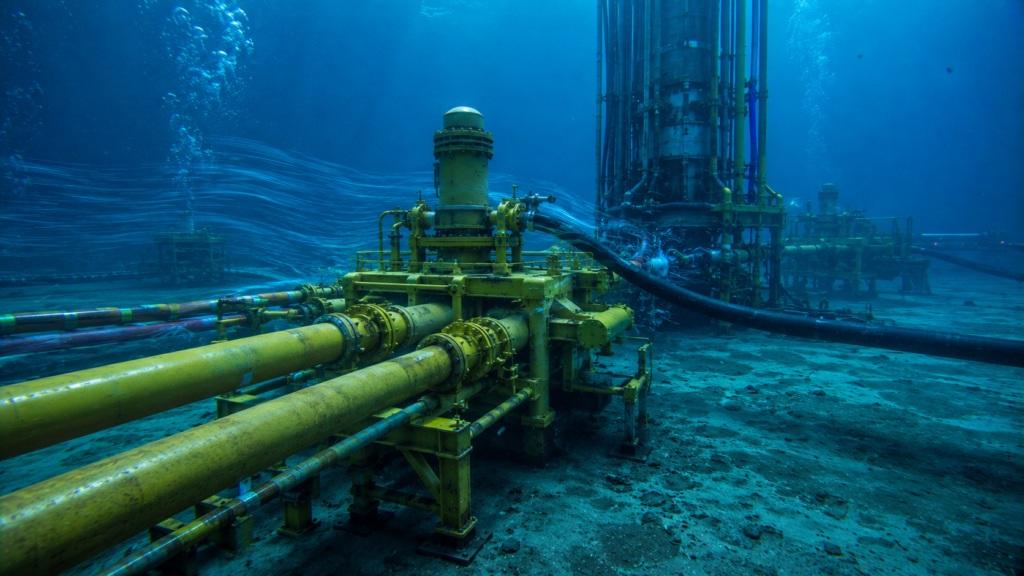
Vortex-induced vibration can create repeated loading on risers, pipelines, and subsea structures, increasing fatigue risk over time.
We help assess:
This helps reduce fatigue-related failure risk and supports better integrity planning.
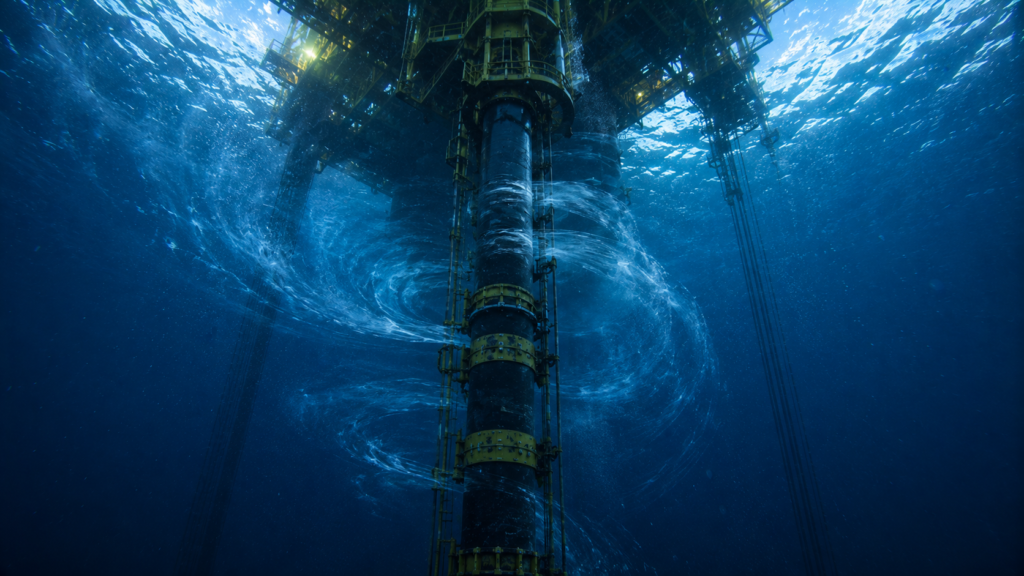
Subsea equipment must withstand pressure, flow forces, installation loads, seabed interaction, and hydrodynamic effects.
We analyze:
This helps improve subsea equipment reliability and operational safety.
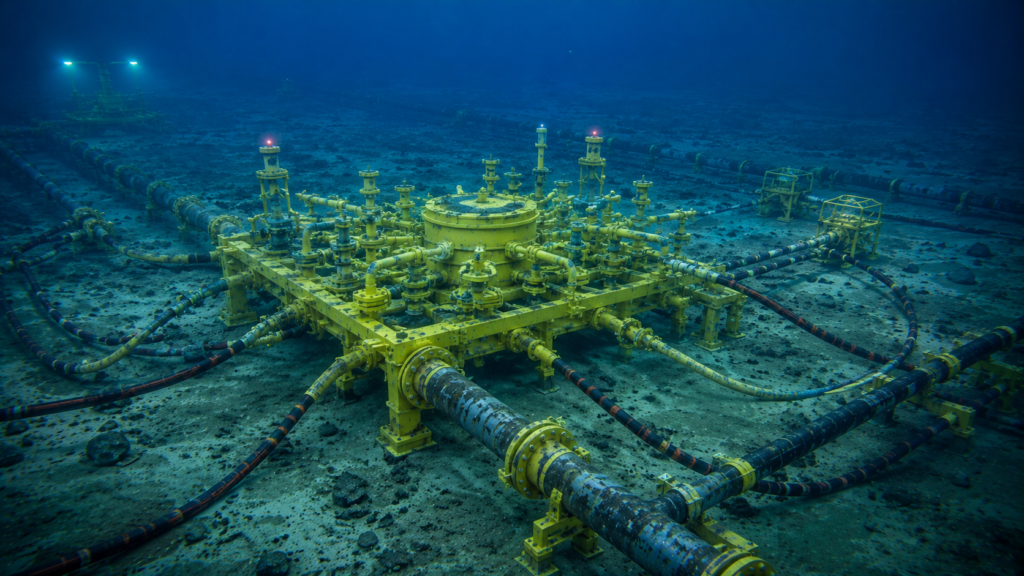
Offshore and subsea pipelines must remain reliable throughout changing operating conditions and environmental exposure.
We help evaluate:
This helps support inspection planning, maintenance decisions, and long-term asset reliability.

Experiqs helps oil and gas operators, offshore engineering teams, EPC companies, and subsea equipment manufacturers address offshore and subsea challenges, including:
Evaluate risers, pipelines, subsea systems, and offshore structures under realistic hydrodynamic and operating loads.
Identify flow-induced vibration, vortex-induced vibration, and fatigue-sensitive regions before they affect asset life.
Assess stress, deformation, loading, and stability of offshore and subsea equipment under marine conditions.
Understand pressure, flow, thermal, fatigue, and environmental effects on critical subsea transport systems.
Use coupled flow and structural simulations to understand asset behaviour under complex offshore conditions.
Support inspection planning, reliability improvement, and long-term offshore asset management.
Our Offshore & Subsea Engineering service is suitable for:
Experiqs combines CFD simulation, FEA analysis, hydrodynamic assessment, fluid-structure interaction, fatigue evaluation, and offshore engineering expertise to analyze complex offshore and subsea systems.
Our strength lies in connecting environmental loads, flow behaviour, and structural response into one engineering view. We help clients understand how waves, currents, internal flow, pressure, vibration, and fatigue affect offshore asset reliability.
By validating offshore and subsea asset behaviour virtually, Experiqs helps oil and gas teams reduce risk, improve structural reliability, support integrity planning, and make better engineering decisions.
Evaluate risers, subsea pipelines, offshore structures, wave and current loads, fluid-structure interaction, vibration, and fatigue risks with Experiqs’ Offshore & Subsea Engineering services.
Talk to our experts to assess your offshore or subsea asset and identify practical opportunities for safer operation, stronger reliability, and longer asset life.
Partner with Experiqs to transform complex ideas into validated, industry-ready engineering solutions
Discover how to partner with Experiqs and get started quickly
Whether you’re exploring a new R&D initiative, seeking advanced simulations, planning experimental validation, or evaluating product feasibility—our experts are ready to assist you.
