
More results...
More results...
Home appliances and consumer durables depend on efficient airflow, fluid movement, heat transfer, cooling, heating, steam circulation, water distribution, and thermal control to deliver reliable performance. Products such as refrigerators, air conditioners, washing machines, dishwashers, ovens, dryers, water heaters, kitchen appliances, fans, purifiers, and compact cooling systems must operate efficiently within limited space, cost, noise, and energy constraints.
Appliance Flow & Thermal Engineering helps manufacturers understand how air, steam, water, coolant, and heat move inside appliance systems. By using CFD simulation, thermal analysis, and design optimization, Experiqs helps improve performance, response time, energy efficiency, temperature uniformity, flow distribution, and product reliability.
Experiqs provides Appliance Flow & Thermal Engineering services for home appliance manufacturers, consumer durable brands, HVAC appliance developers, kitchen appliance teams, cooling system manufacturers, and product engineering teams. We use airflow CFD, fluid flow simulation, heat transfer analysis, thermal performance optimization, pressure drop evaluation, leakage analysis, and flow path improvement to improve appliance performance and design confidence.
Appliance performance is often limited by how well air, water, steam, refrigerant-side airflow, or coolant moves through compact internal spaces. Even small changes in duct geometry, fan placement, vent location, baffle design, insulation, heater layout, heat exchanger position, or enclosure design can affect temperature control, response time, noise, energy use, and product reliability.
Poor airflow or fluid flow can create pressure drop, leakage, recirculation, uneven distribution, dead zones, local overheating, weak cooling, poor heating, condensation issues, drying inefficiency, delayed response, or poor user experience.
For thermal appliances, uneven temperature distribution can reduce product quality, comfort, cooking consistency, drying performance, cooling effectiveness, and energy efficiency. For cooling and air movement products, flow path losses and recirculation can reduce airflow delivery and increase power consumption.
Simulation-led flow and thermal engineering helps visualize internal flow paths, temperature distribution, pressure losses, heat transfer behaviour, leakage paths, and performance limitations before prototype testing. Experiqs helps appliance teams improve product performance early in development and reduce costly design iterations.
We simulate air, steam, water, and coolant flow inside appliance systems to improve performance, response time, and internal flow behaviour.
Our analysis helps assess:
This helps improve appliance performance by optimizing internal flow movement and reducing flow-related losses.
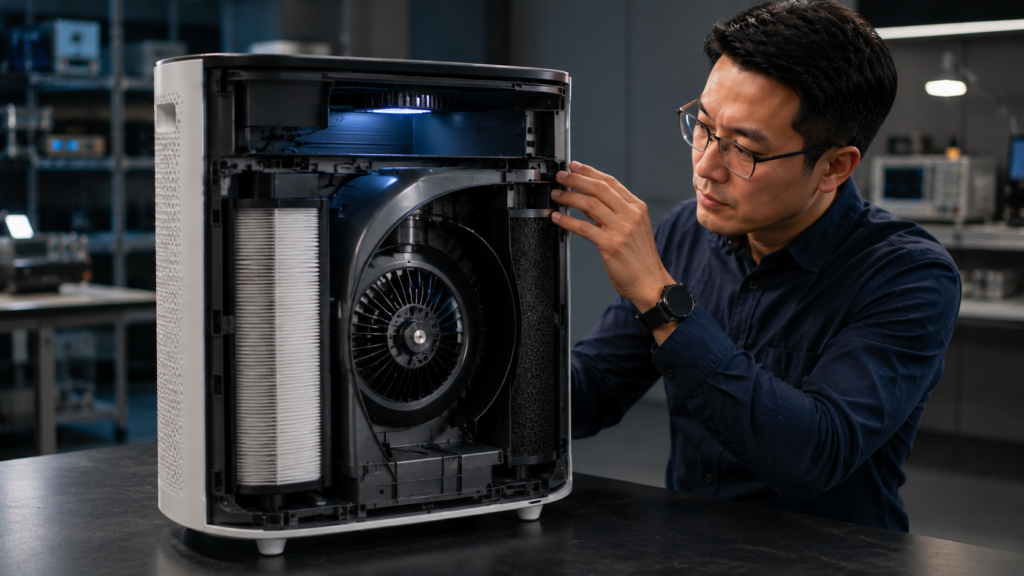
We enhance cooling, heating, heat rejection, and temperature uniformity for better energy efficiency and product reliability.
Experiqs helps evaluate:
This helps improve appliance thermal performance while reducing unnecessary energy consumption.
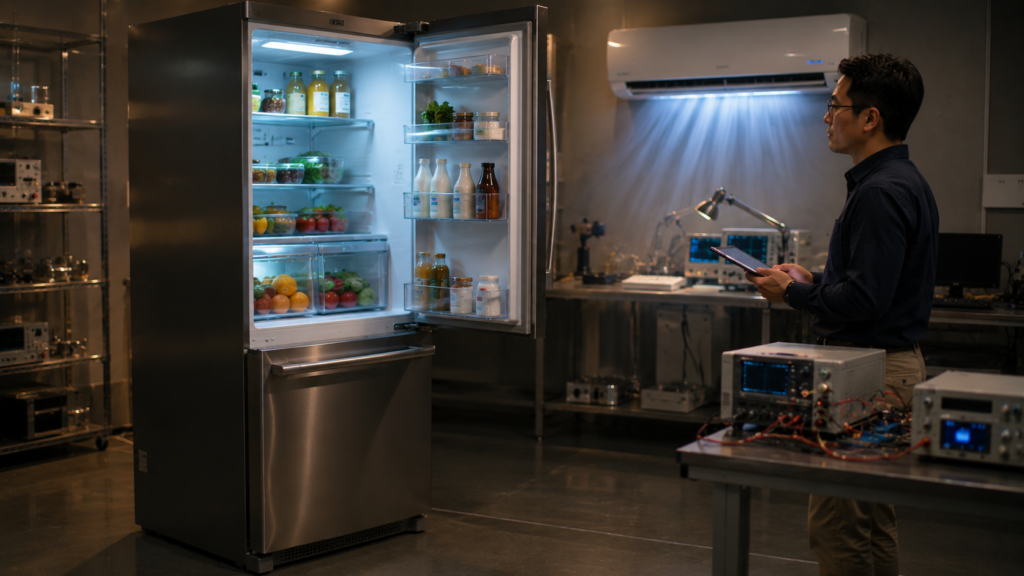
Compact appliance designs often suffer from pressure drop, leakage, recirculation, uneven distribution, and internal performance losses.
We help reduce:
This helps improve flow efficiency, product response, and operating performance.
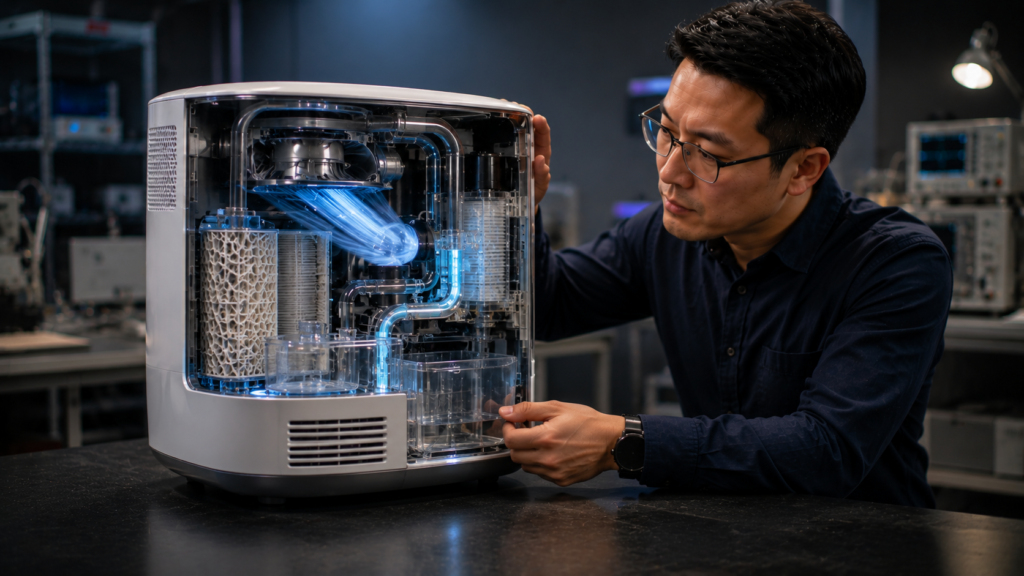
Many appliances rely on heat exchangers, evaporators, condensers, fans, ducts, coils, and cooling channels to control temperature.
We help analyze:
This helps improve cooling performance and reduce energy demand.
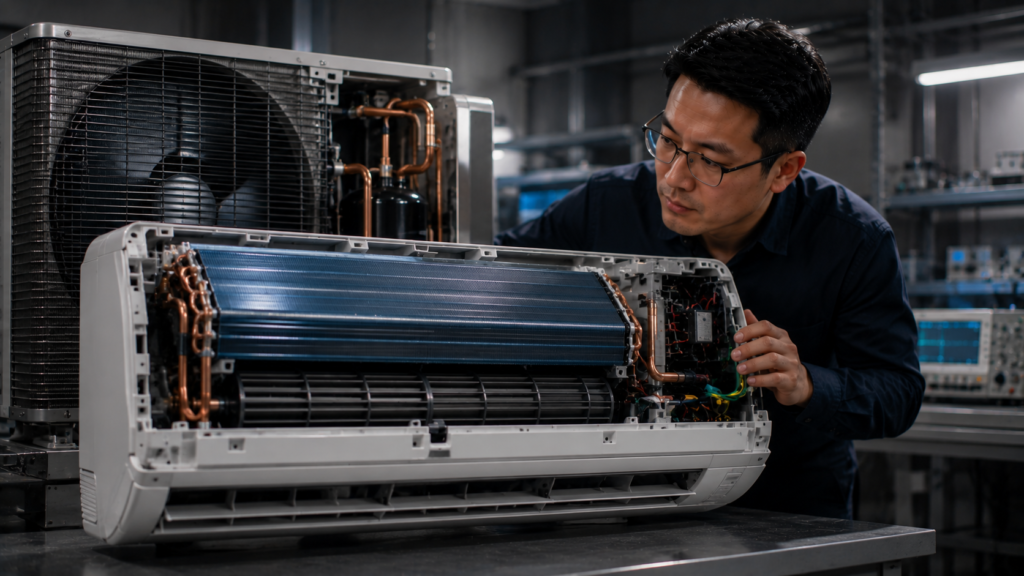
Heating and steam-based appliances require controlled temperature, humidity, and flow distribution for consistent operation.
We support evaluation of:
This helps improve drying, heating, cooking, steaming, and washing performance.
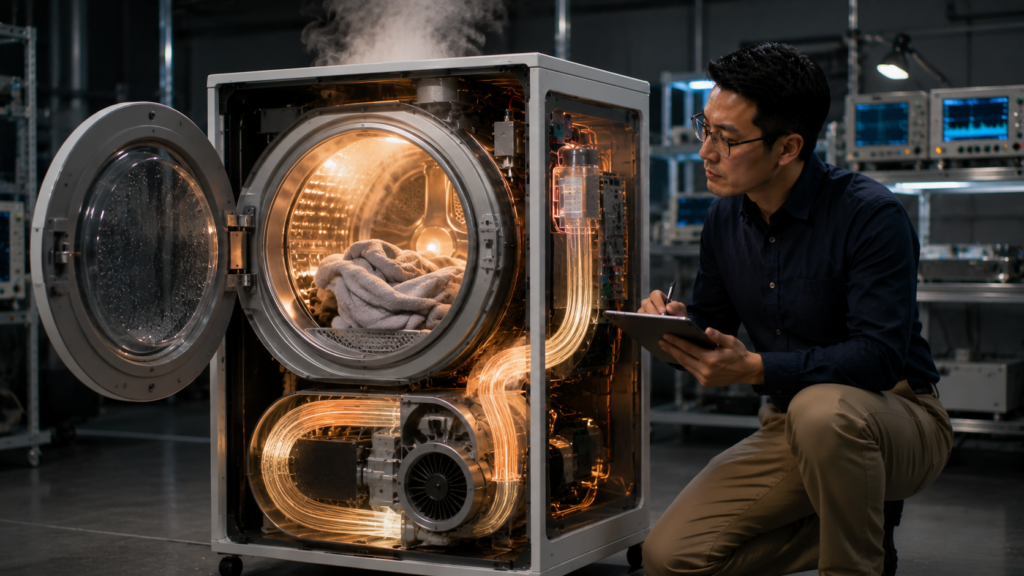
Leakage and recirculation can reduce appliance efficiency and cause poor performance even when core components are properly designed.
We help identify:
This helps improve product efficiency and reduce performance degradation.
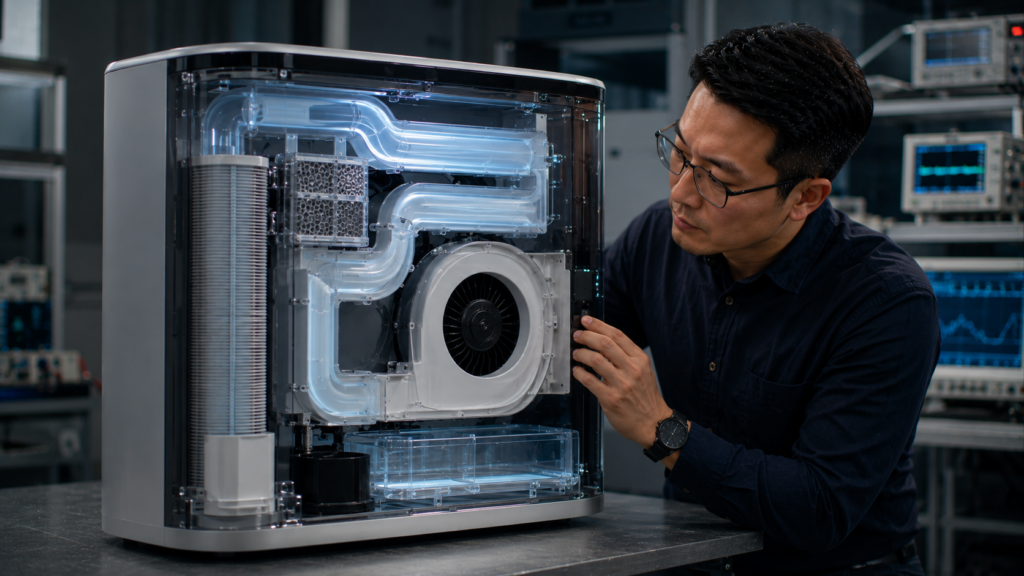
Experiqs helps appliance and consumer durable manufacturers address flow and thermal engineering challenges, including:
Improve airflow, fluid movement, heat transfer, cooling, heating, and response time across appliance systems.
Reduce pressure drop, leakage, recirculation, and heat transfer losses that increase power consumption.
Improve cooling and heating distribution to reduce hotspots, cold zones, and inconsistent performance.
Use CFD and thermal simulation to validate design options before prototype manufacturing and testing.
Optimize flow paths, ducts, vents, fans, baffles, heaters, and heat exchangers within space-constrained appliance layouts.
Identify thermal stress, overheating, poor cooling, and flow-related risks before they affect product life.
Experiqs combines CFD simulation, thermal engineering, heat transfer analysis, flow path optimization, pressure drop evaluation, and product development expertise to improve appliance and consumer durable performance.
Our strength lies in identifying hidden flow and thermal issues inside compact product designs. We help clients understand where airflow is lost, why temperature becomes uneven, how recirculation affects performance, and which design changes can improve efficiency and reliability.
By validating appliance flow and thermal behaviour virtually, Experiqs helps manufacturers reduce prototype iterations, improve energy efficiency, enhance user experience, and make better product engineering decisions.
Optimize airflow, steam flow, water flow, coolant movement, heat transfer, temperature uniformity, pressure drop, and energy efficiency with Experiqs’ Appliance Flow & Thermal Engineering services.
Talk to our experts to evaluate your appliance system and identify practical opportunities for better performance, lower energy use, and stronger product reliability.
Partner with Experiqs to transform complex ideas into validated, industry-ready engineering solutions
Discover how to partner with Experiqs and get started quickly
Whether you’re exploring a new R&D initiative, seeking advanced simulations, planning experimental validation, or evaluating product feasibility—our experts are ready to assist you.
