
More results...
More results...
Robots and autonomous systems depend on reliable perception to understand their surroundings, identify objects, detect obstacles, track movement, inspect components, localize themselves, and make safe decisions. Vision systems must perform consistently across changing lighting, cluttered scenes, occlusion, reflections, sensor noise, motion blur, dust, camera placement limits, and real-world environmental variation.
Computer Vision & Perception Systems helps robotics teams improve vision-based detection, classification, tracking, scene understanding, localization support, and automated inspection performance. By using AI/ML models, image processing, sensor data analysis, simulation-led validation, and engineering-aware model evaluation, Experiqs helps improve robotic perception reliability before deployment.
Experiqs provides Computer Vision & Perception Systems services for autonomous robots, AMRs, AGVs, drones, UAVs, inspection robots, industrial robots, warehouse automation systems, service robots, and intelligent machines. We support object detection, tracking, classification, perception robustness, vision-based inspection, alignment checks, localization support, scene understanding, and computer vision model validation.
Computer vision is one of the most important capabilities in modern robotics. A robot must be able to identify objects, understand its environment, recognize obstacles, inspect parts, follow paths, and respond correctly to changing situations.
However, real-world perception is challenging. Lighting may change. Objects may be partially hidden. Backgrounds may be cluttered. Reflections may confuse cameras. Dust or motion blur may reduce image quality. Sensor noise, poor calibration, or weak training data can cause false detections, missed objects, poor tracking, or unreliable scene understanding.
For autonomous systems, perception errors can affect navigation, obstacle avoidance, picking accuracy, inspection quality, localization, mission execution, and safety. A model that performs well in lab conditions may fail when exposed to field conditions, unusual objects, low light, vibration, or edge cases.
Experiqs helps robotics teams improve perception systems by evaluating model performance, identifying failure cases, improving data strategy, testing real-world scenarios, and connecting computer vision performance with engineering and deployment requirements.
We support vision-based detection, classification, tracking, and scene understanding for robotic and autonomous systems.
Our analysis helps assess:
This helps improve robotic awareness and decision-making in real operating environments.
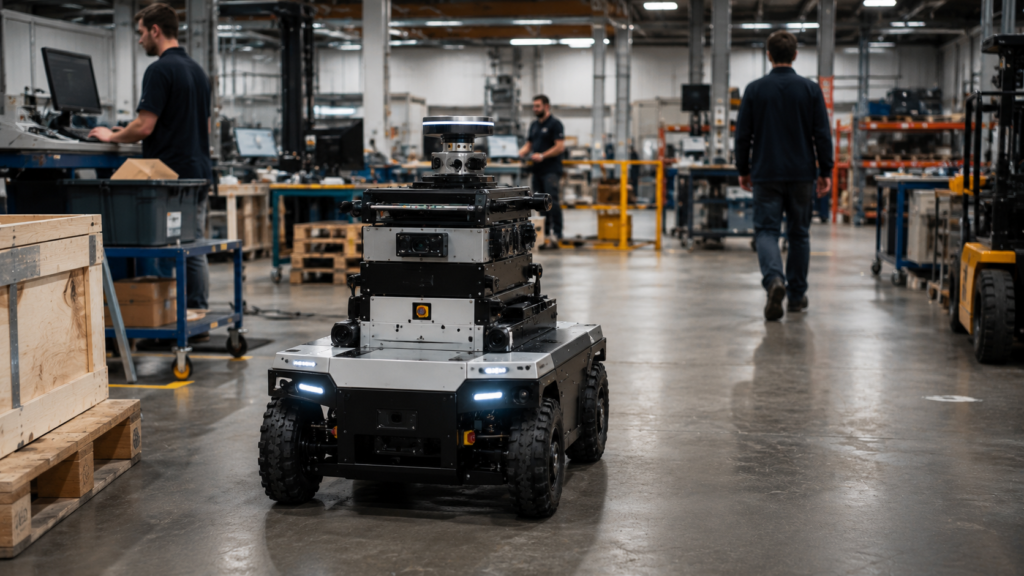
We improve performance under low light, occlusion, clutter, reflections, sensor noise, and changing environments.
Experiqs helps evaluate:
This helps reduce perception failures during real-world deployment.
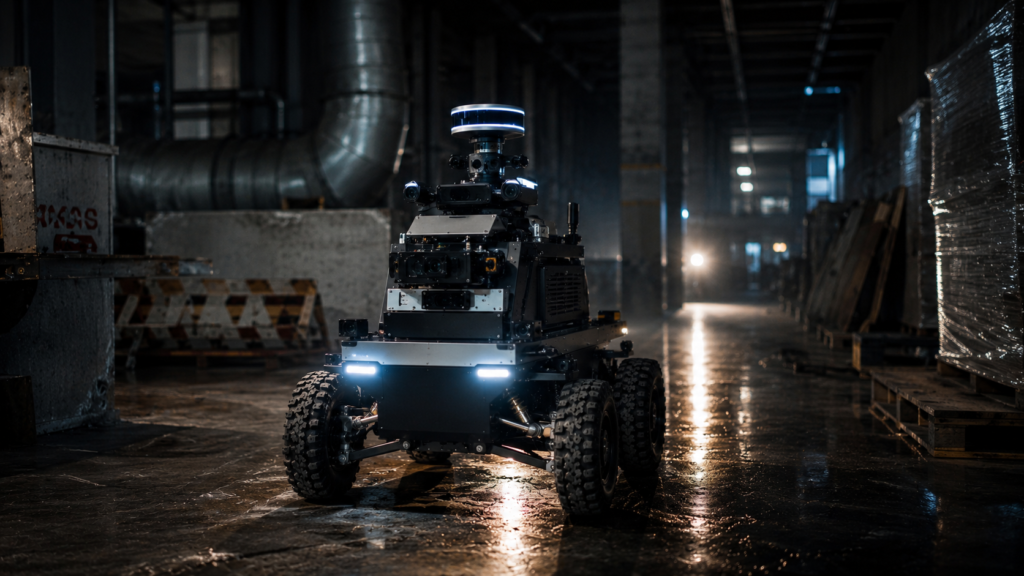
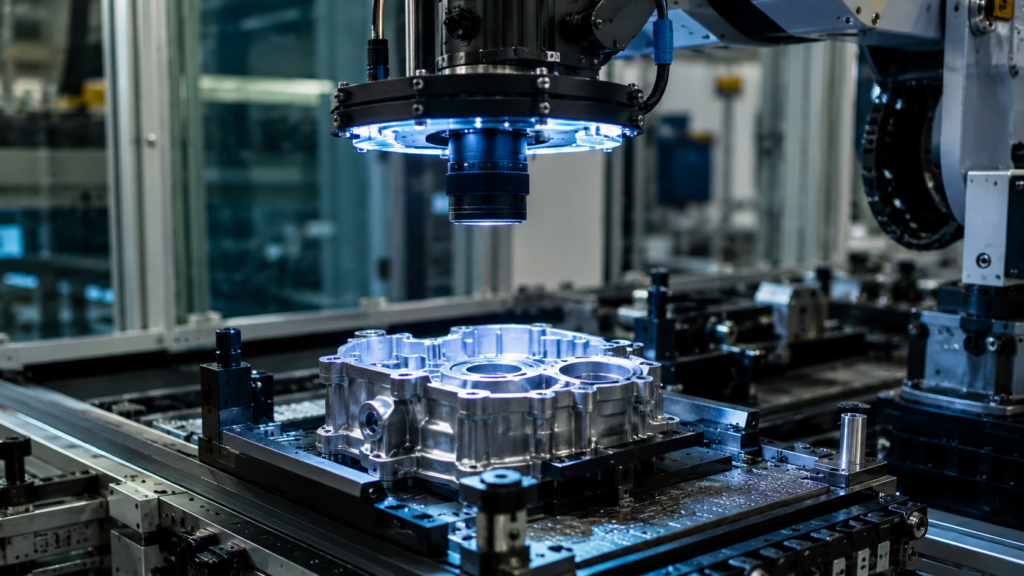
We apply computer vision for defect detection, alignment checks, localization, and automated inspection tasks.
We help support:
This helps improve inspection consistency and reduce dependency on manual visual checks.
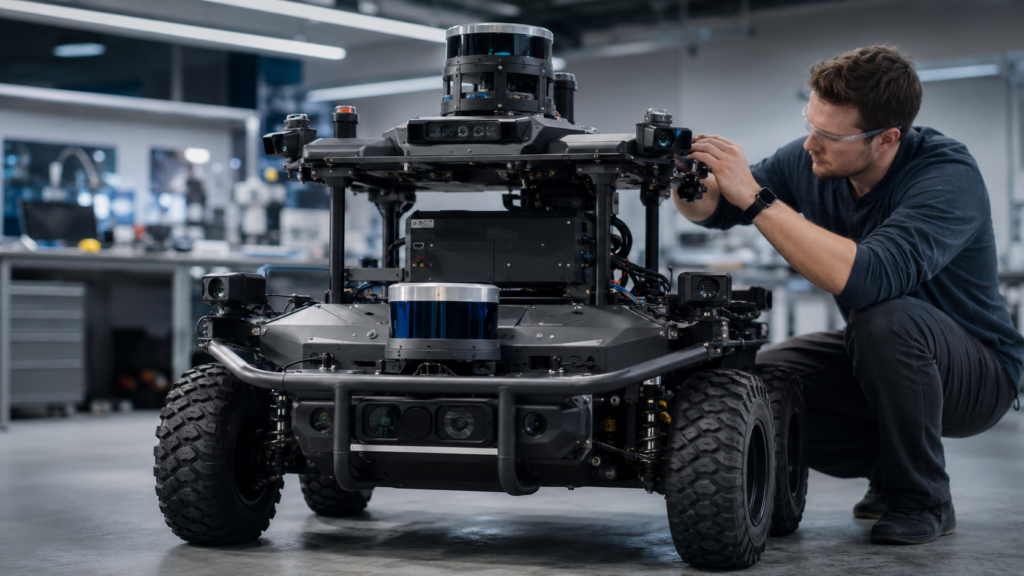
Perception quality depends strongly on sensor placement, field of view, mounting stability, and coverage.
We help evaluate:
This helps improve the quality and reliability of visual input data.
AI-based perception models must be validated across realistic operating scenarios before deployment.
We help assess:
This helps improve confidence in computer vision models before field operation.
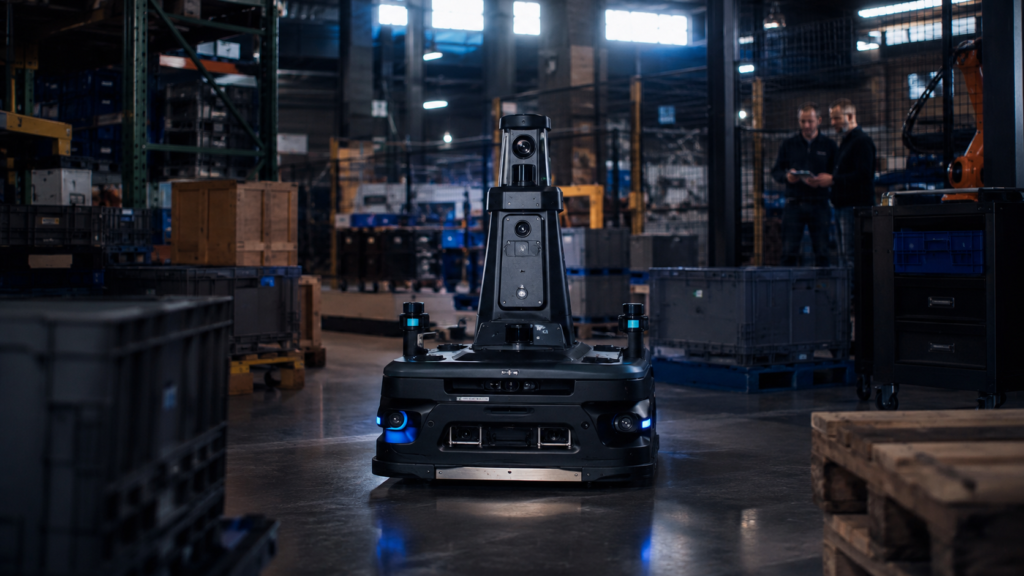
Strong perception systems require high-quality data that represents real deployment conditions.
Experiqs supports:
This helps improve model robustness and reduce field performance drop.
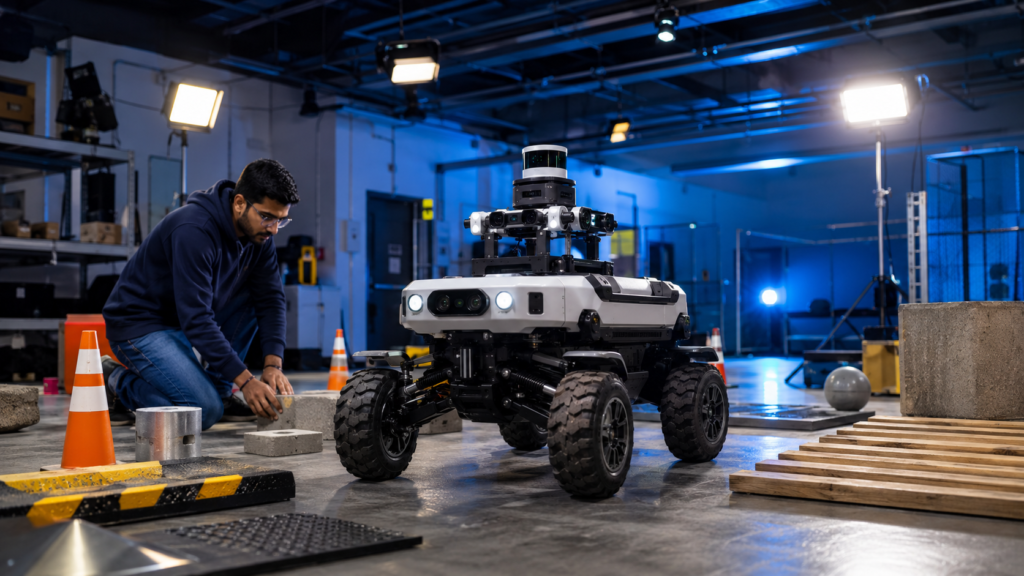
Experiqs helps robotics and autonomous system teams address computer vision and perception challenges, including:
Improve object detection, classification, tracking, scene understanding, and visual decision-making.
Validate perception performance across lighting variation, occlusion, clutter, reflection, noise, and changing environments.
Use vision-based systems for defect detection, alignment checks, localization, and quality inspection tasks.
Improve camera placement, field-of-view coverage, mounting stability, and visual data quality.
Identify perception failure cases and model limitations before real-world deployment.
Use engineering-aware validation and data strategy support to improve AI/ML perception models faster.
Experiqs combines computer vision, AI/ML development, robotics engineering, sensor data analysis, simulation-led validation, and system-level understanding to improve perception systems for robots and autonomous platforms.
Our strength lies in connecting vision model performance with real robotic behaviour. We help clients understand where perception fails, why detection accuracy drops, how sensor placement affects performance, and what data or model changes are needed for more reliable autonomy.
By validating computer vision and perception systems under realistic conditions, Experiqs helps robotics teams reduce deployment uncertainty, improve mission performance, strengthen inspection reliability, and build more capable autonomous systems.
Optimize object detection, tracking, perception robustness, camera placement, vision-based inspection, data strategy, and model validation with Experiqs’ Computer Vision & Perception Systems services.
Talk to our experts to evaluate your perception workflow and identify practical opportunities for stronger detection accuracy, safer autonomy, and better real-world performance.
Partner with Experiqs to transform complex ideas into validated, industry-ready engineering solutions
Discover how to partner with Experiqs and get started quickly
Whether you’re exploring a new R&D initiative, seeking advanced simulations, planning experimental validation, or evaluating product feasibility—our experts are ready to assist you.
