
More results...
More results...
Combustion systems, flare stacks, burners, heaters, process furnaces, emergency relief systems, and high-energy thermal equipment play a critical role in oil and gas operations. These systems must operate safely while managing flame behaviour, heat release, emissions, thermal radiation, combustion stability, and heat exposure to nearby equipment, structures, and personnel zones.
Combustion, Flare & Thermal Radiation Analysis helps operators, EPC teams, and facility designers understand how flame, heat, gas flow, radiation, and environmental conditions interact under real operating scenarios. By using simulation-led engineering, Experiqs helps evaluate combustion performance, flare system behaviour, thermal impact zones, and safety risks before they affect facility operation.
Experiqs provides Combustion, Flare & Thermal Radiation Analysis services for refineries, petrochemical plants, offshore platforms, LNG facilities, gas processing plants, production facilities, and process safety studies. We use CFD simulation, combustion modelling, flare system analysis, heat release evaluation, thermal radiation assessment, emission behaviour studies, and safety impact analysis to support safer and more efficient oil and gas operations.
Combustion and flare systems operate under high-temperature, high-energy, and safety-critical conditions. Poor combustion behaviour can create flame instability, incomplete combustion, excessive emissions, uneven heat release, high equipment temperature, or operational safety risks.
Flare systems must safely handle emergency releases, process upsets, relief events, and routine disposal flows. If flare behaviour, flame shape, radiation impact, wind effects, or equipment spacing are not properly evaluated, nearby structures, equipment, access areas, and personnel zones may be exposed to unsafe thermal loads.
Thermal radiation from flares and combustion systems can affect safe working distances, platform layout, equipment placement, emergency access, structural exposure, and operational planning. In process facilities, radiation and high heat exposure can also affect insulation, piping, tanks, supports, electrical systems, and control equipment.
Simulation-led combustion and radiation analysis helps visualize flame behaviour, temperature distribution, heat release, radiation intensity, plume movement, and thermal exposure zones. Experiqs helps oil and gas teams use these insights to improve safety, reduce risk, and support better facility design decisions.
We study flame behaviour, temperature distribution, heat release, and combustion stability under realistic operating conditions.
Our analysis helps assess:
This helps improve combustion control, thermal performance, and operational reliability.
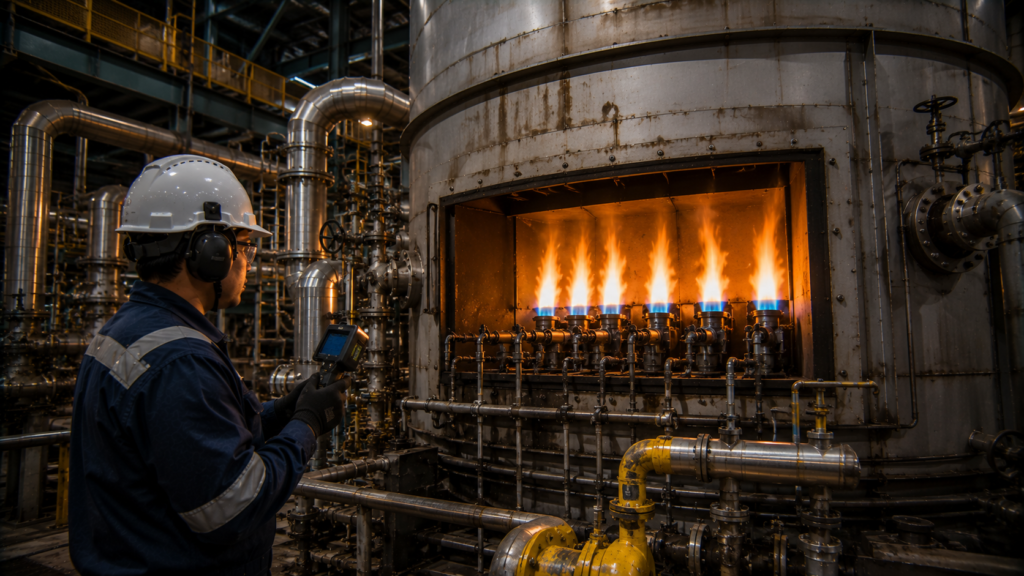
We evaluate flare system behaviour to support safe operation, emission control, and equipment spacing decisions.
We help analyze:
This helps improve flare safety and reduce operational risk during routine and emergency conditions.
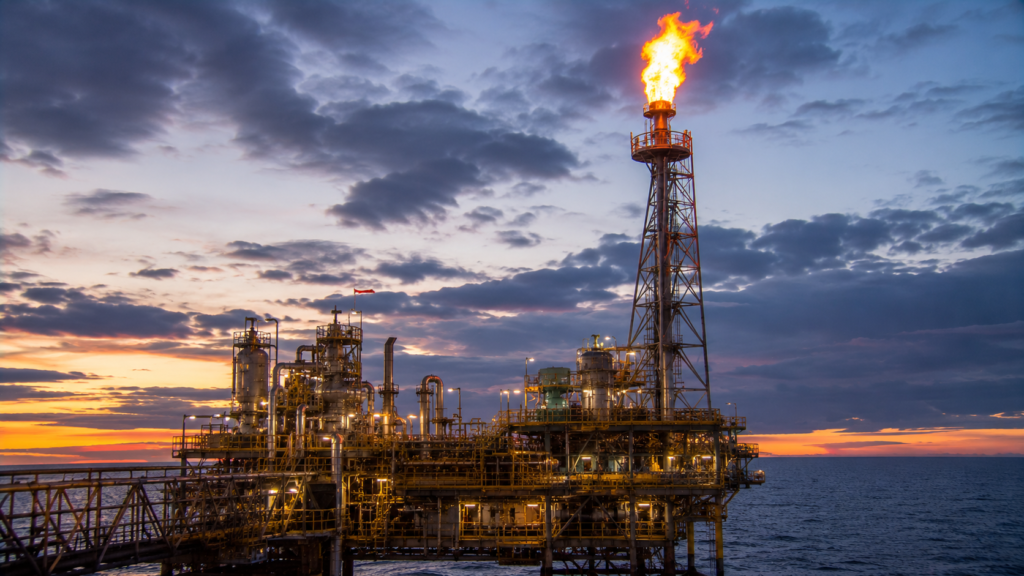
We predict heat exposure on nearby structures, equipment, access areas, and personnel zones.
Experiqs helps evaluate:
This helps support safer facility layout, operation, and emergency planning.
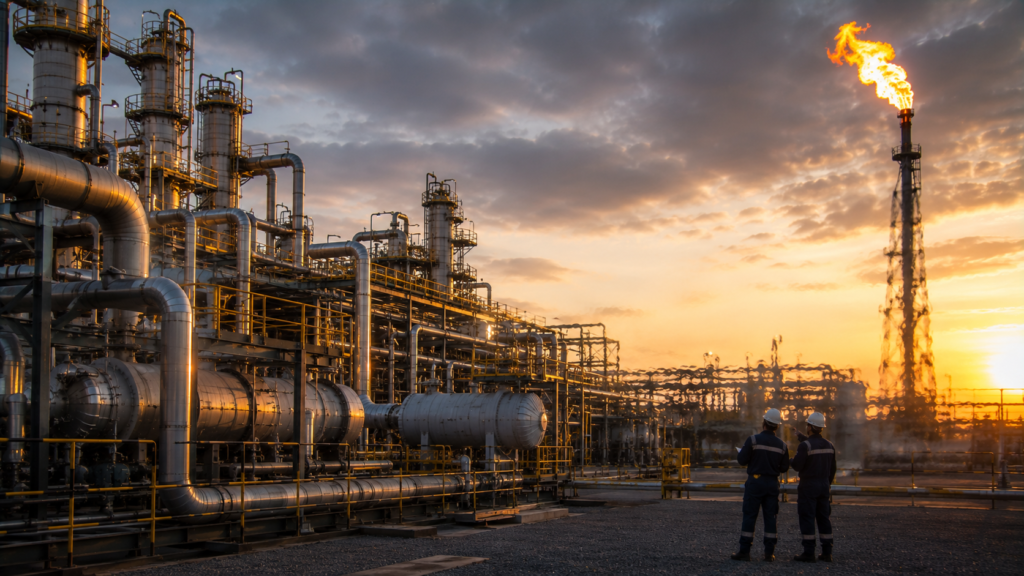
Thermal radiation analysis is essential for determining safe spacing between flare systems, process equipment, structures, and occupied areas.
We support assessment of:
This helps reduce risk to people, equipment, and critical infrastructure.
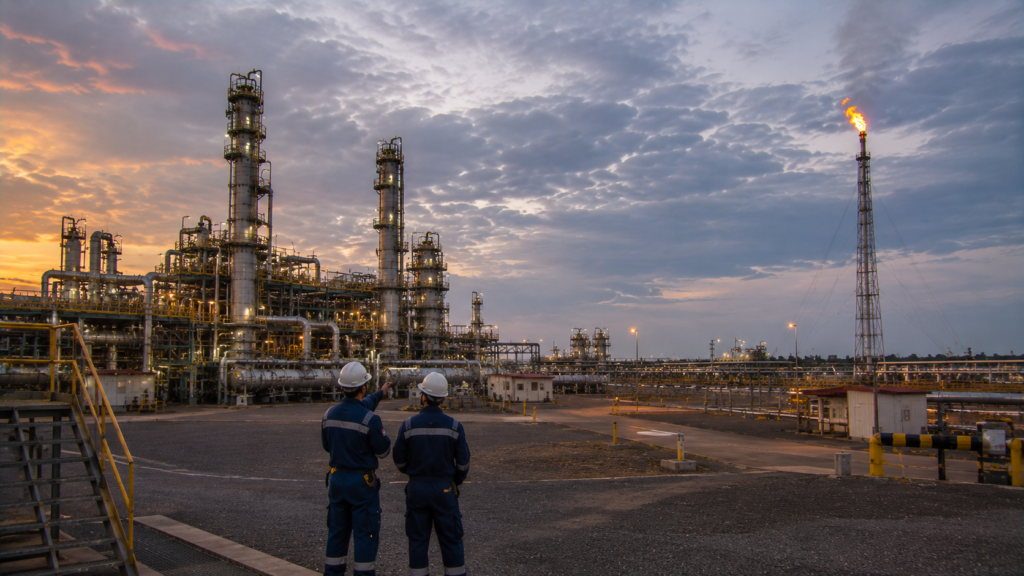
Combustion and flare systems can influence environmental performance through smoke, unburned hydrocarbons, carbon monoxide, nitrogen oxides, and thermal plume behaviour.
We help assess:
This helps support cleaner operation and better environmental performance.
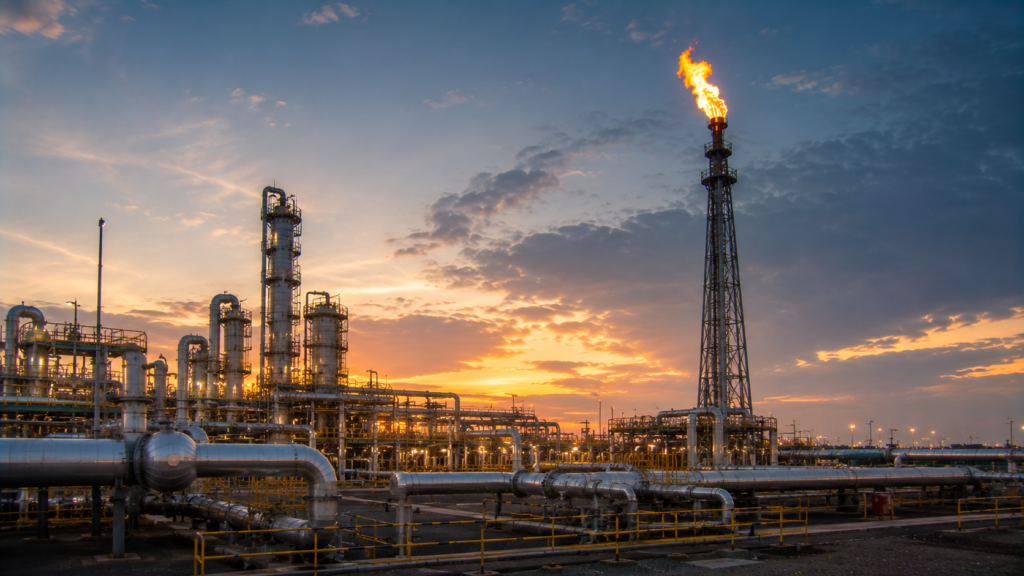
High-energy systems can expose nearby equipment and structures to damaging thermal loads.
We analyze:
This helps reduce heat-related reliability and safety risks.
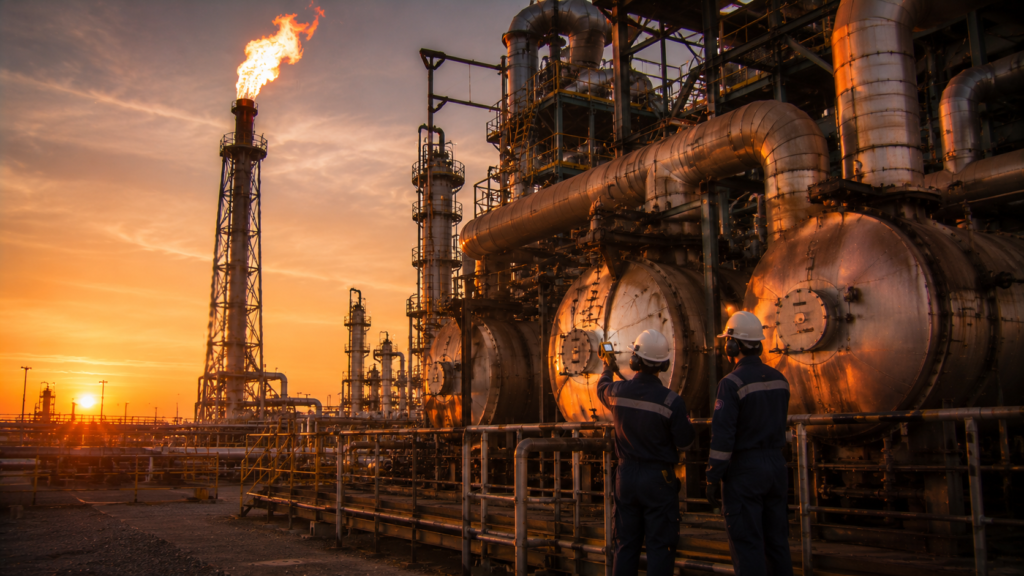
Experiqs helps oil and gas operators, EPC teams, refinery teams, offshore teams, and safety engineers address combustion, flare, and thermal radiation challenges, including:
Understand flame behaviour, temperature distribution, heat release, and combustion stability under operating conditions.
Evaluate flare behaviour, flame impact, wind sensitivity, radiation zones, and safe spacing requirements.
Predict heat exposure on nearby structures, equipment, personnel zones, and emergency access areas.
Use simulation insights to support layout planning, safety reviews, exclusion zones, and emergency scenario assessment.
Assess combustion quality, smoke risk, emission behaviour, and operating conditions that influence environmental performance.
Identify thermal hazards and high-energy system risks before they affect safety, reliability, or compliance planning.
Our Combustion, Flare & Thermal Radiation Analysis service is suitable for:
Experiqs combines CFD simulation, combustion modelling, flare system analysis, thermal radiation assessment, heat transfer evaluation, and safety-focused engineering to support safer oil and gas facility operation.
Our strength lies in understanding how flame behaviour, gas flow, heat release, wind conditions, and thermal radiation affect real facility environments. We help clients identify high-risk thermal exposure zones, improve combustion performance, and make better safety and layout decisions.
By validating combustion, flare, and radiation behaviour virtually, Experiqs helps oil and gas teams reduce safety risk, improve operational confidence, support emergency planning, and protect critical assets.
Analyze combustion behaviour, flare performance, thermal radiation, heat exposure, emission behaviour, and safe equipment spacing with Experiqs’ Combustion, Flare & Thermal Radiation Analysis services.
Talk to our experts to evaluate your flare, combustion, or high-energy thermal system and identify practical opportunities for safer operation, better performance, and reduced thermal risk.
Partner with Experiqs to transform complex ideas into validated, industry-ready engineering solutions
Discover how to partner with Experiqs and get started quickly
Whether you’re exploring a new R&D initiative, seeking advanced simulations, planning experimental validation, or evaluating product feasibility—our experts are ready to assist you.
