
More results...
More results...
Thermal equipment must deliver reliable performance across different flow rates, pressure conditions, operating speeds, thermal loads, duty points, and process environments. Even small inefficiencies in airflow, fluid flow, heat transfer, pressure generation, or internal geometry can reduce output, increase energy consumption, and affect long-term equipment reliability.
Performance and efficiency optimization is about improving how equipment performs under real operating conditions. It helps identify flow losses, pressure drop, recirculation zones, leakage paths, turbulence issues, thermal inefficiencies, and operating range limitations before they affect productivity or energy cost.
Experiqs provides Performance & Efficiency Optimization services for thermal equipment, industrial cooling systems, HVAC systems, heat exchangers, fans, blowers, pumps, ducts, piping networks, process equipment, and energy systems. We use CFD simulation, thermal analysis, flow modeling, system performance evaluation, and engineering optimization to improve equipment efficiency, output, stability, and operating reliability.
Many thermal and fluid systems do not perform at their full potential because internal flow paths, component layouts, operating points, or control strategies are not optimized for real-world conditions.
Poor flow distribution, excessive pressure drop, leakage, recirculation, turbulence, heat loss, inefficient fan or pump operation, and incorrect duty point selection can all increase energy consumption and reduce equipment output.
Traditional testing can show that performance is low, but it may not clearly explain why losses occur inside the equipment. Simulation-led optimization helps reveal internal behavior that is difficult to measure physically, such as flow separation, vortex formation, pressure loss zones, temperature imbalance, and inefficient heat transfer regions.
Experiqs helps clients improve equipment performance by identifying the root causes of efficiency loss and recommending practical engineering improvements that support better output, lower energy use, and stronger operating performance.
We analyze and improve flow behavior inside thermal and mechanical equipment to increase performance and reduce internal losses.
Our analysis helps assess:
This helps improve overall equipment performance while maintaining stable and predictable operation.
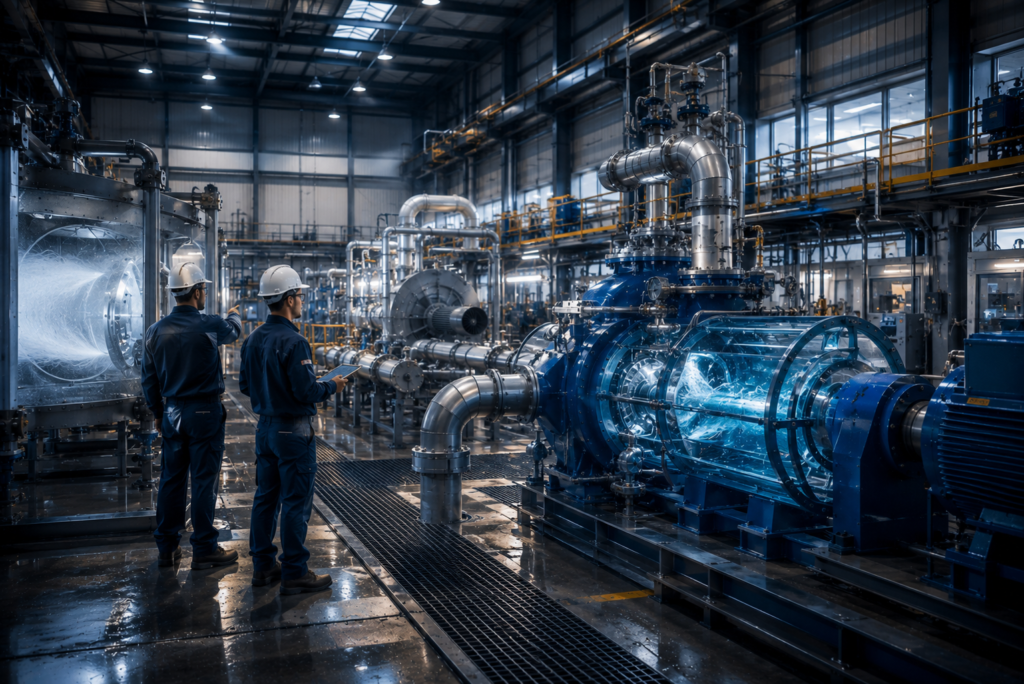
Energy losses often occur due to excessive pressure drop, leakage, turbulence, poor geometry, inefficient flow paths, and weak component integration.
We help evaluate:
This helps reduce wasted energy and improve the useful output of the equipment.
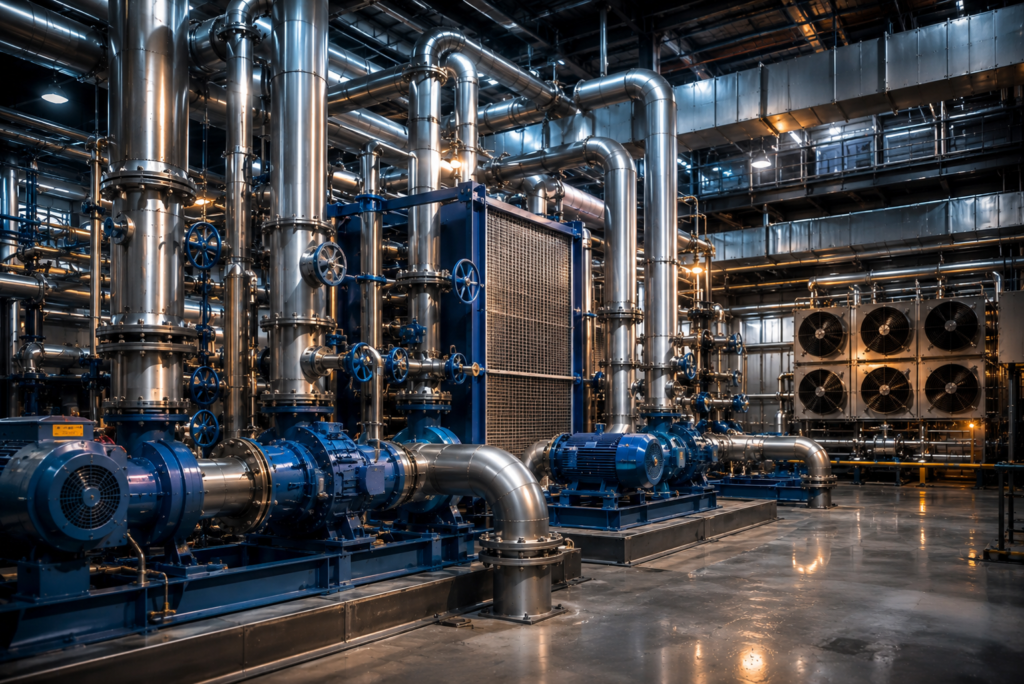
Thermal equipment must often operate across different speeds, loads, duty points, and process conditions. Experiqs evaluates equipment behavior across the full operating range to identify performance limits and improvement opportunities.
We analyze:
This helps ensure equipment performs efficiently across real operating conditions, not just at a single design point.
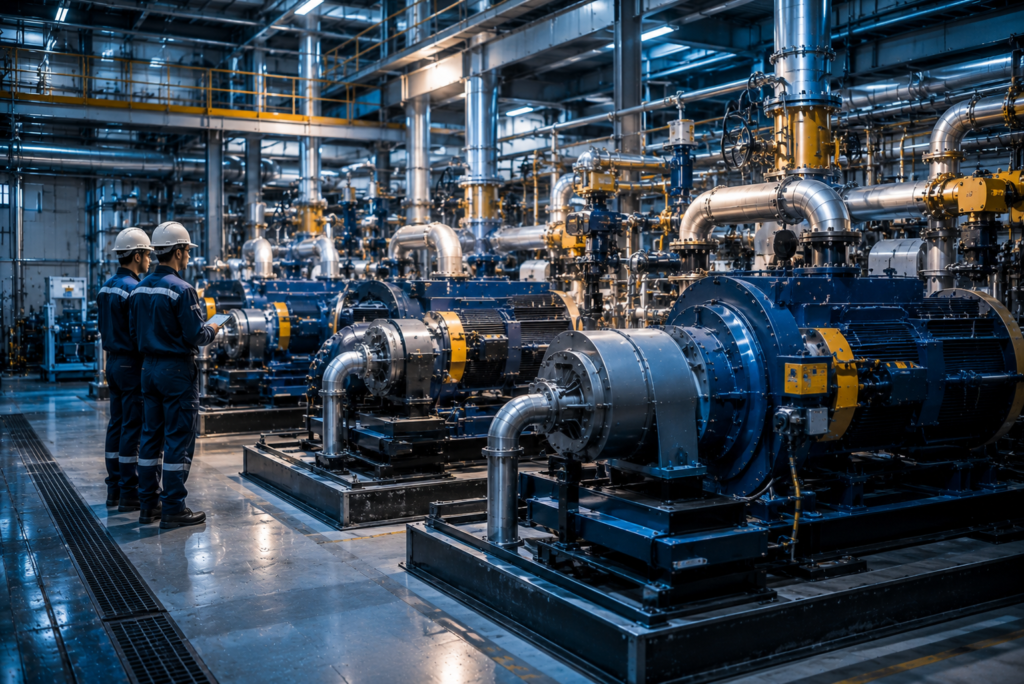
Excessive pressure drop can increase fan or pump power requirements and reduce system efficiency.
Experiqs uses CFD simulation and engineering analysis to identify:
This helps reduce system resistance and improve energy efficiency.
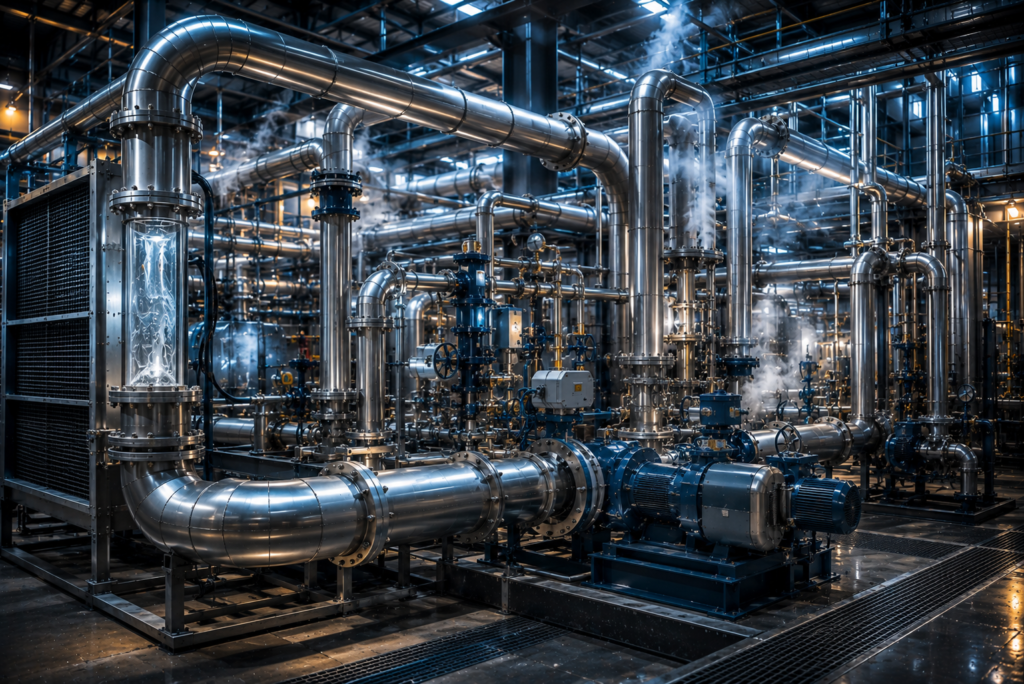
Thermal equipment performance depends on effective heat transfer between fluids, surfaces, components, and surrounding environments.
We help optimize:
This helps improve thermal output while reducing wasted energy and inefficient operation.
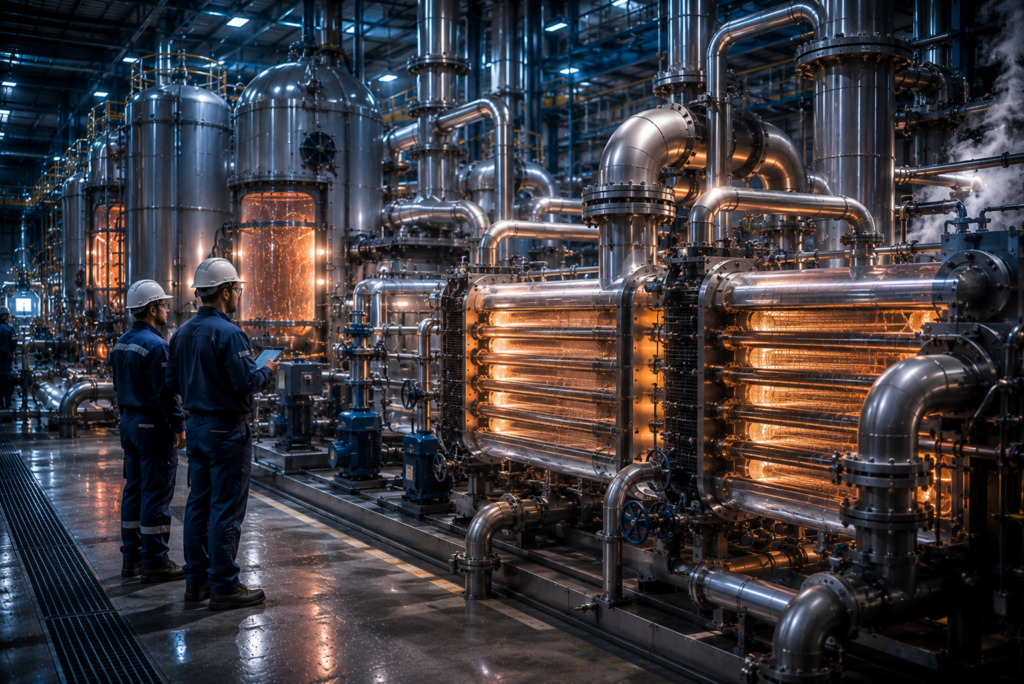
Equipment design features such as inlet shape, outlet layout, internal passages, baffles, ducts, channels, blades, casing, and component placement can strongly influence performance.
Experiqs supports optimization of:
This helps improve performance without unnecessary overdesign or costly trial-and-error testing.
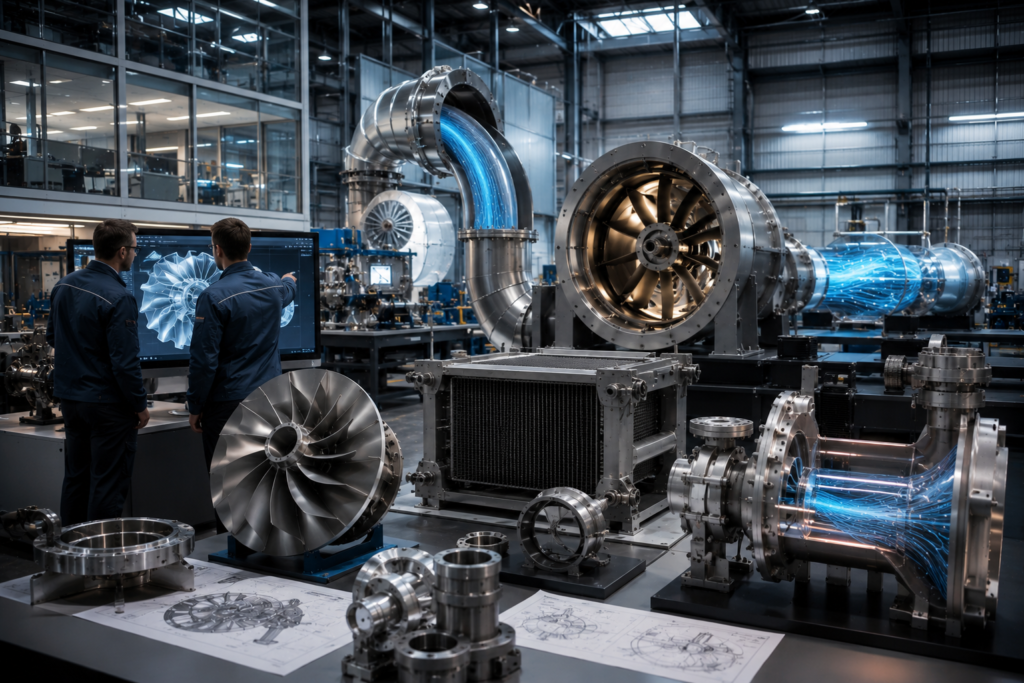
Reduce internal losses and improve useful equipment output through simulation-led performance optimization.
Improve flow rate, pressure generation, flow distribution, and system resistance characteristics.
Reduce pressure drop, leakage, recirculation, turbulence, and other energy loss mechanisms.
Evaluate performance across speeds, loads, duty points, and process conditions to ensure stable operation.
Enhance heat transfer, cooling effectiveness, heating uniformity, and temperature control.
Use CFD and thermal simulation to compare design options before manufacturing or field changes.
Experiqs combines CFD simulation, thermal engineering, flow analysis, system modeling, and performance optimization expertise to improve thermal equipment efficiency and operating performance.
Our strength lies in identifying hidden loss mechanisms that are difficult to detect through physical testing alone. We help clients understand why performance losses occur, where energy is being wasted, and how equipment design or operation can be improved.
By validating improvements virtually before implementation, Experiqs helps teams reduce development time, improve efficiency, lower operating costs, and deliver better-performing thermal equipment.
Increase flow performance, reduce pressure drop, optimize operating range, and improve equipment efficiency with Experiqs’ Performance & Efficiency Optimization services.
Talk to our experts to evaluate your thermal equipment and identify practical opportunities for better performance, lower energy consumption, and long-term operating reliability.
Partner with Experiqs to transform complex ideas into validated, industry-ready engineering solutions
Discover how to partner with Experiqs and get started quickly
Whether you’re exploring a new R&D initiative, seeking advanced simulations, planning experimental validation, or evaluating product feasibility—our experts are ready to assist you.
