
More results...
More results...
Modern engineering systems must deliver high performance within limited space. Whether it is a cooling unit, thermal management system, electronics enclosure, HVAC module, industrial equipment, or mission-critical infrastructure, system size, component placement, airflow, heat transfer, and integration efficiency directly affect performance and reliability.
Compact design is not just about making systems smaller. It is about reducing footprint while maintaining cooling capacity, thermal stability, serviceability, flow performance, and long-term operational reliability.
Experiqs provides Compact Thermal System Design services using thermal engineering, CFD simulation, system integration analysis, layout optimization, and performance validation. We help engineering teams develop compact, efficient, and easy-to-integrate thermal systems that perform reliably in real-world operating conditions.
Space constraints are becoming increasingly important across data centers, electronics, industrial equipment, HVAC systems, energy systems, and high-performance engineering applications. Poorly designed compact systems can create airflow restrictions, heat buildup, difficult maintenance access, pressure losses, component interference, and reduced system reliability.
A smaller system does not automatically mean a better system. If compactness is not engineered properly, it can lead to overheating, poor flow distribution, inefficient heat transfer, increased fan or pump energy use, and reduced equipment life.
Experiqs helps teams move from space-saving assumptions to simulation-backed compact system design by analyzing thermal behavior, airflow, fluid flow, component layout, packaging constraints, heat rejection paths, and integration requirements.
We design and optimize thermal systems to reduce physical footprint while preserving performance, reliability, and integration flexibility.
Our analysis helps assess:
This helps create compact systems that are easier to install, integrate, and operate.
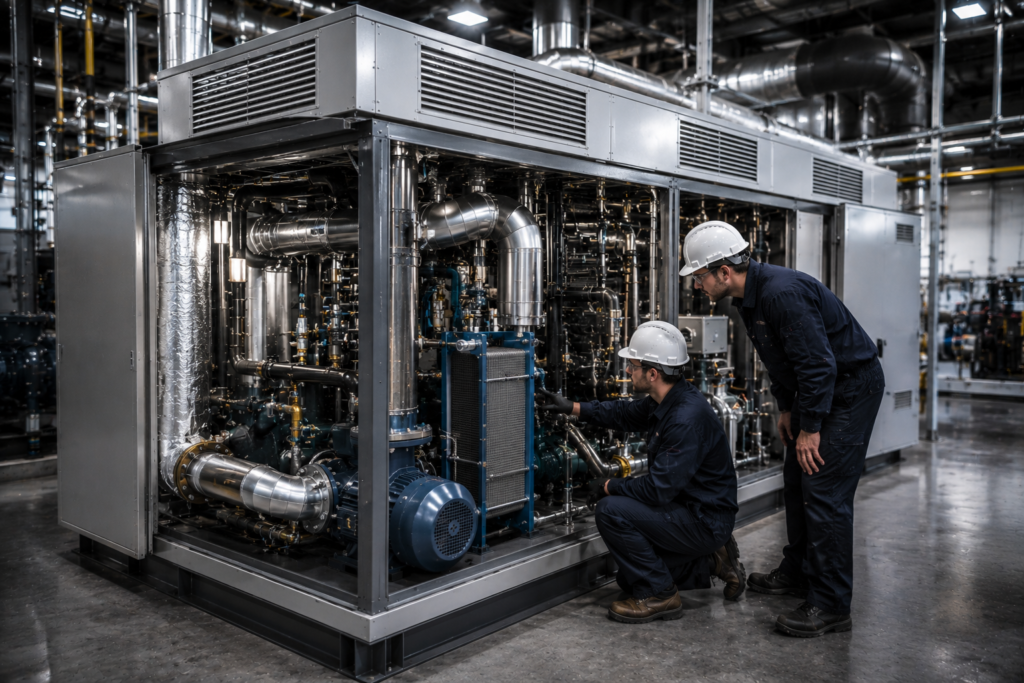
Compact systems require careful integration between components, airflow paths, cooling elements, structural constraints, electrical interfaces, and operational requirements.
We evaluate:
This helps ensure that compact systems work as a cohesive, high-performing engineering solution.
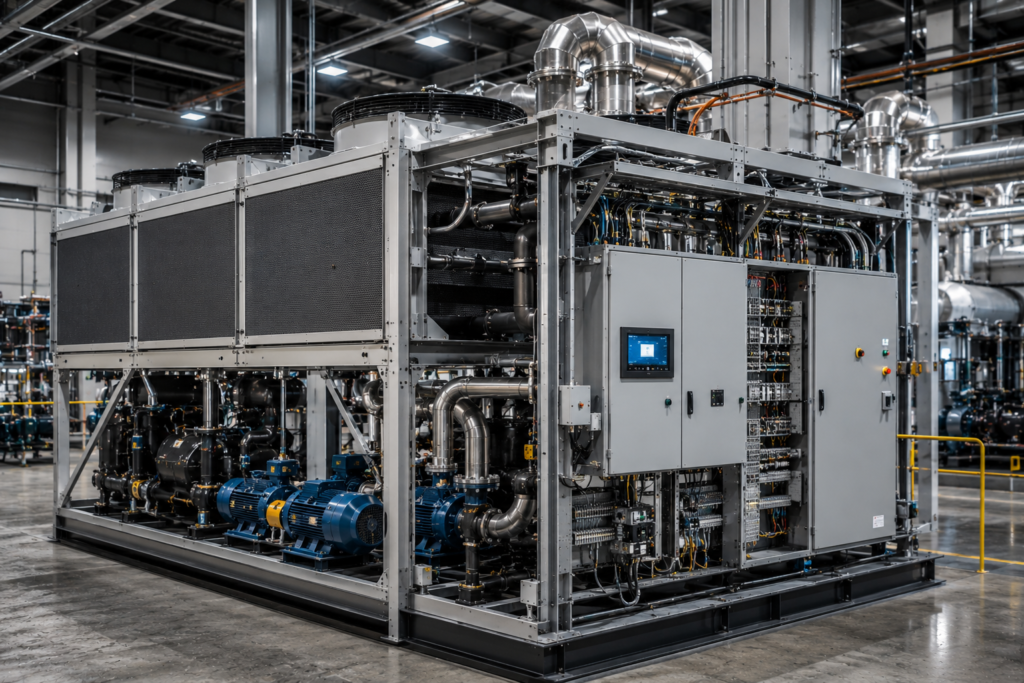
Miniaturization must be balanced with thermal capacity, flow performance, reliability, and serviceability. Experiqs helps reduce system size while maintaining required performance targets.
We analyze:
This helps develop smaller systems without sacrificing thermal stability or operational performance.
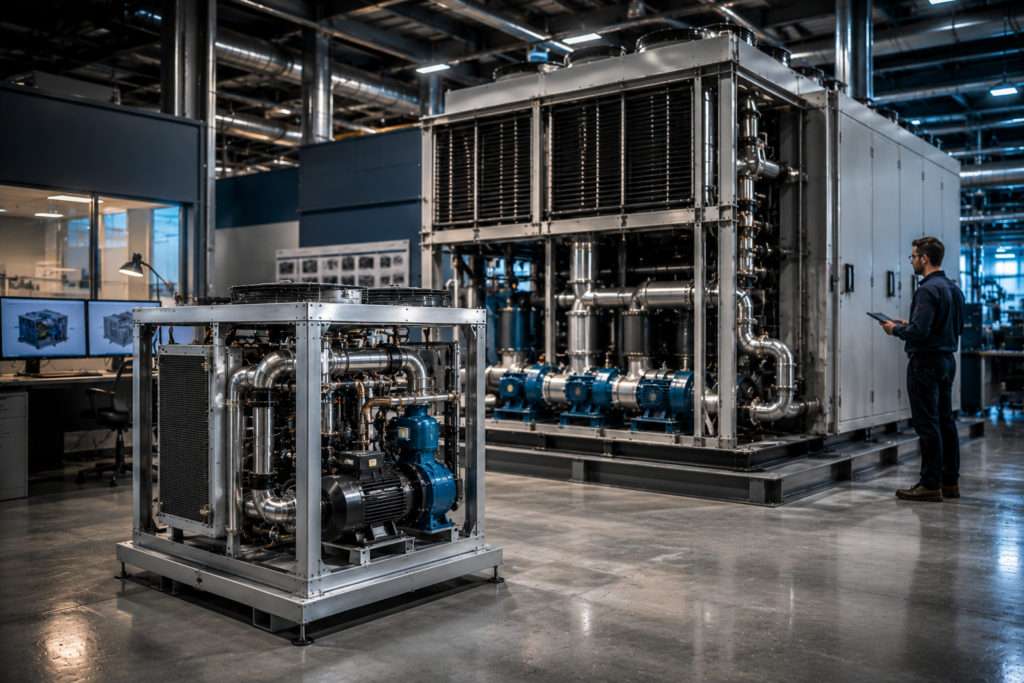
Compact system layouts often create complex airflow and fluid flow behavior. Experiqs uses CFD simulation to evaluate how layout changes affect thermal performance, pressure drop, flow distribution, and cooling effectiveness.
We assess:
This allows teams to validate compact layouts before manufacturing or installation.
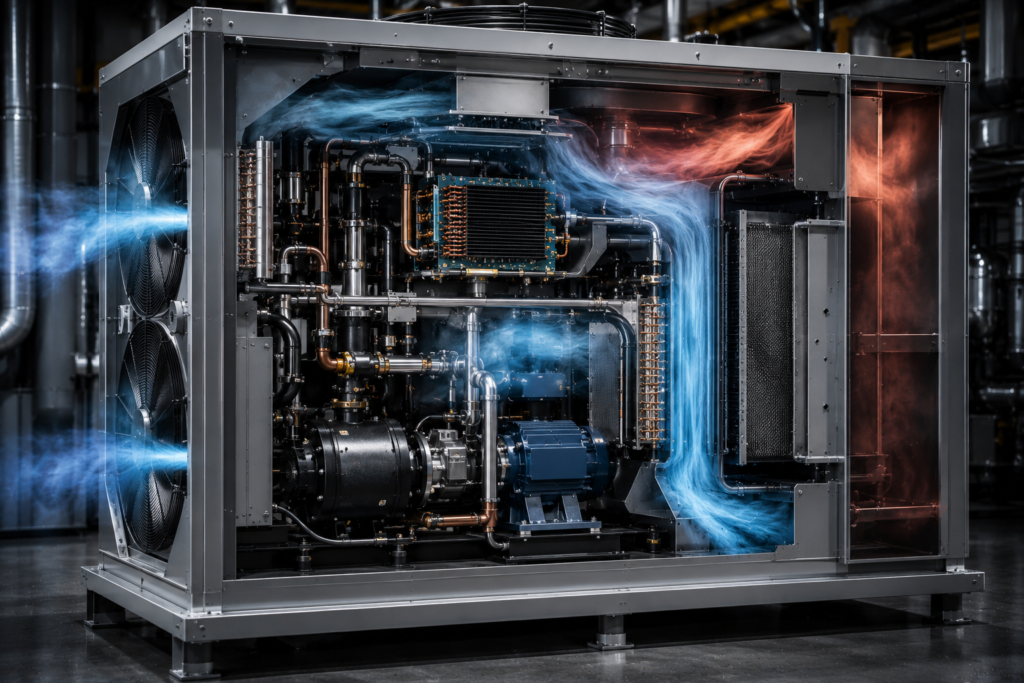
Thermal packaging plays a critical role in compact systems, especially where heat-generating components are placed close together.
Experiqs helps optimize:
This helps prevent heat buildup and improves the thermal behavior of tightly packaged systems.
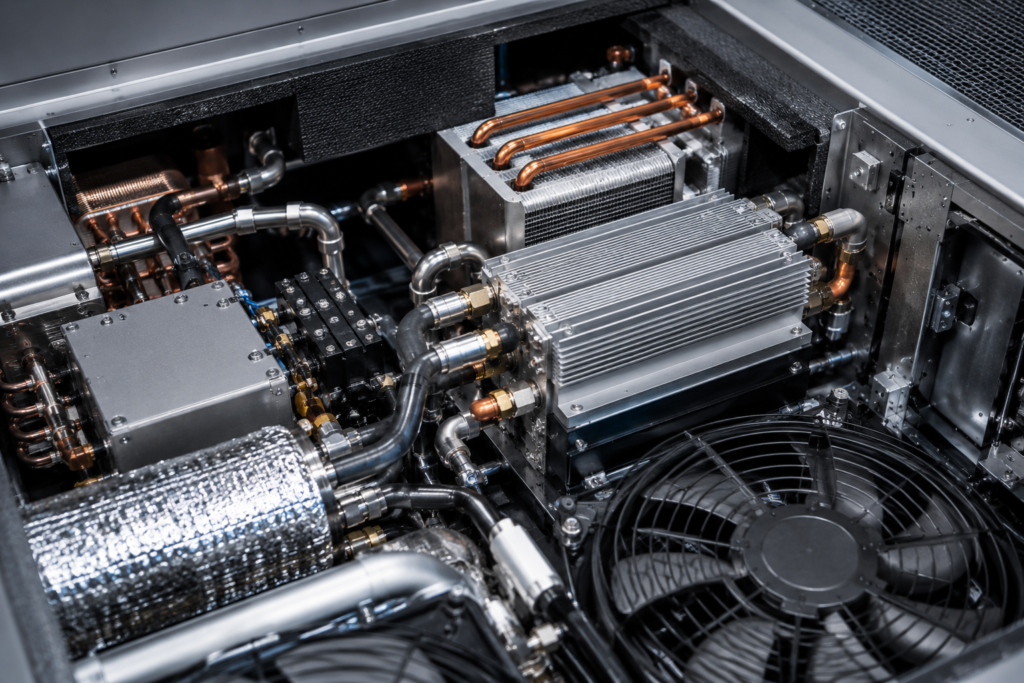
Compact cooling systems must deliver sufficient heat removal with limited space, restricted airflow, and tight integration requirements.
We help assess and improve:
Our recommendations help create compact cooling systems that are efficient, reliable, and practical to deploy.
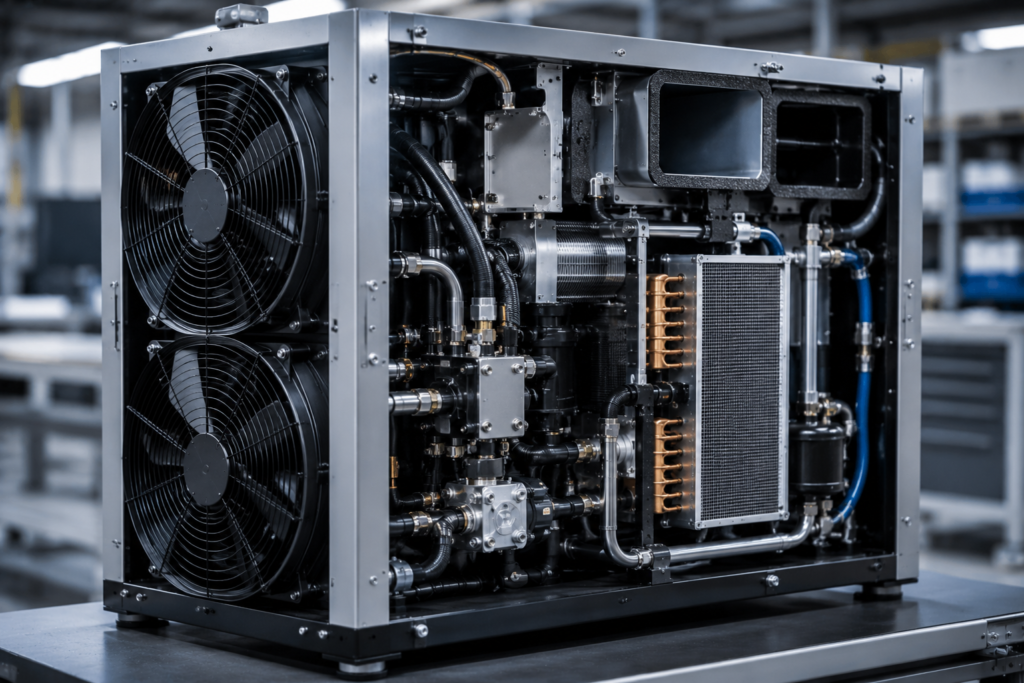
Develop compact thermal systems that use space efficiently and are easier to integrate into existing setups.
Reduce size without compromising cooling capacity, heat transfer performance, or thermal stability.
Ensure components work together as one optimized system instead of separate parts competing for space and airflow.
Optimize component placement, flow routing, heat rejection, and equipment layout within limited space.
Validate compact system behavior through simulation before manufacturing, installation, or retrofit.
Create compact designs that consider performance, installation, maintenance access, and real-world operating constraints.
Experiqs combines thermal engineering, CFD simulation, fluid dynamics, system modelling, packaging analysis, and design optimization expertise to develop compact systems that perform reliably.
Our strength lies in balancing size reduction with real engineering performance. We help clients understand how compactness affects heat transfer, airflow, fluid flow, pressure drop, component interaction, serviceability, and long-term reliability.
By validating compact designs before implementation, Experiqs helps teams reduce footprint, improve integration, prevent thermal issues, and build space-efficient systems that are ready for real-world operation.
Reduce system footprint, improve integration, maintain thermal performance, and validate compact designs with Experiqs’ Compact Thermal System Design services.
Talk to our experts to evaluate your system layout and identify practical opportunities for space-efficient, high-performance thermal design.
Partner with Experiqs to transform complex ideas into validated, industry-ready engineering solutions
Discover how to partner with Experiqs and get started quickly
Whether you’re exploring a new R&D initiative, seeking advanced simulations, planning experimental validation, or evaluating product feasibility—our experts are ready to assist you.
