
More results...
More results...
Noise, vibration, and pulsation issues can reduce equipment reliability, increase maintenance cost, affect operator comfort, and create serious operational risks in thermal equipment, fluid handling systems, rotating machinery, piping networks, compressors, pumps, blowers, valves, and industrial process systems.
These issues often occur due to unsteady flow, pressure fluctuations, rotating equipment imbalance, structural resonance, flow-induced vibration, surge behavior, acoustic excitation, or poor system integration. If not identified early, they can lead to fatigue damage, component failure, excessive noise, unstable operation, and reduced equipment life.
Experiqs provides Noise, Vibration & Pulsation Analysis services using CFD simulation, structural analysis, dynamic response evaluation, pressure pulsation studies, acoustic assessment, and simulation-led design improvement to help engineering teams reduce operational risks and improve long-term equipment reliability.
Industrial equipment and fluid systems often operate under dynamic conditions. Flow is rarely perfectly steady, and rotating machinery, valves, compressors, pumps, blowers, ducts, and piping systems can generate pressure fluctuations, vibration, and acoustic noise during normal operation.
Small pulsations or vibration sources can become serious when they interact with structural natural frequencies, piping supports, rotating components, casing structures, or acoustic cavities. This can create resonance, high stress, fatigue cracks, noise complaints, unstable control behavior, and unexpected shutdowns.
Traditional inspection may detect noise or vibration after the issue appears, but it may not clearly identify the source. Simulation-led analysis helps identify where vibration begins, how pressure pulsations develop, how unsteady flow affects equipment, and how design changes can reduce the risk.
Experiqs helps clients move from reactive troubleshooting to predictive engineering by identifying root causes and validating improvements before failures occur.
We identify vibration sources and evaluate structural response under dynamic loads to improve equipment safety and reliability.
Our analysis helps assess:
This helps reduce vibration-related damage and improve long-term operational stability.
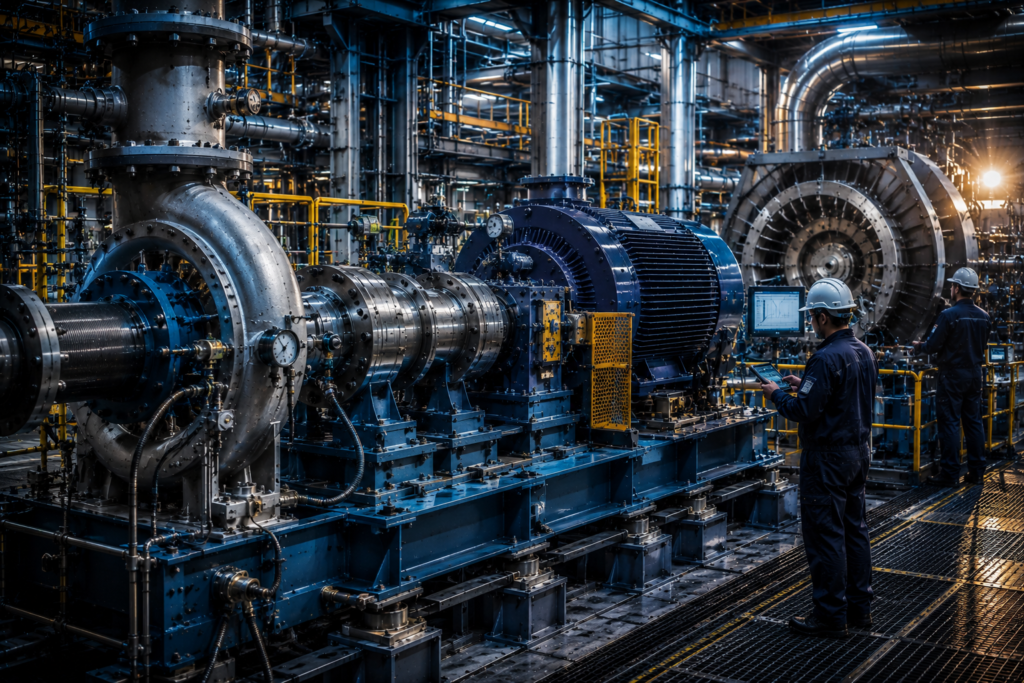
Pressure pulsations and unsteady flow can affect pumps, compressors, blowers, valves, piping systems, manifolds, and process equipment.
We help evaluate:
This helps reduce instability and improve system reliability under real operating conditions.

Machinery noise can be caused by airflow, fluid flow, pressure fluctuations, rotating components, turbulence, vibration, and acoustic resonance.
Experiqs supports noise reduction by analyzing:
This helps reduce noise while maintaining required equipment performance.
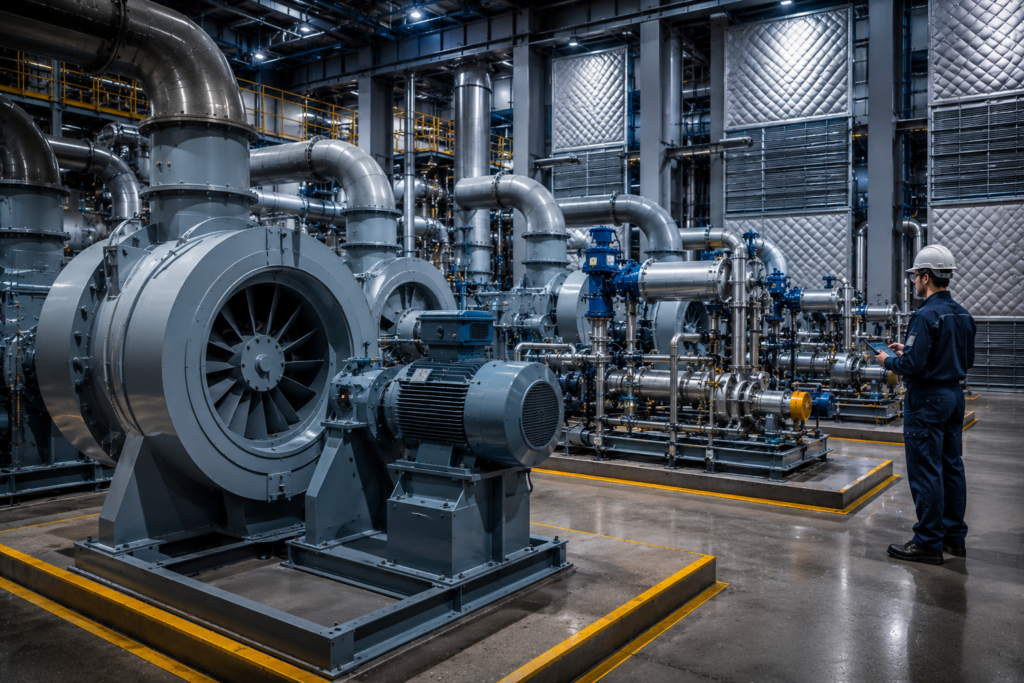
Resonance can occur when operating frequencies or pulsation frequencies align with structural or acoustic natural frequencies.
We help assess:
This helps prevent excessive vibration, fatigue, and failure caused by resonance.
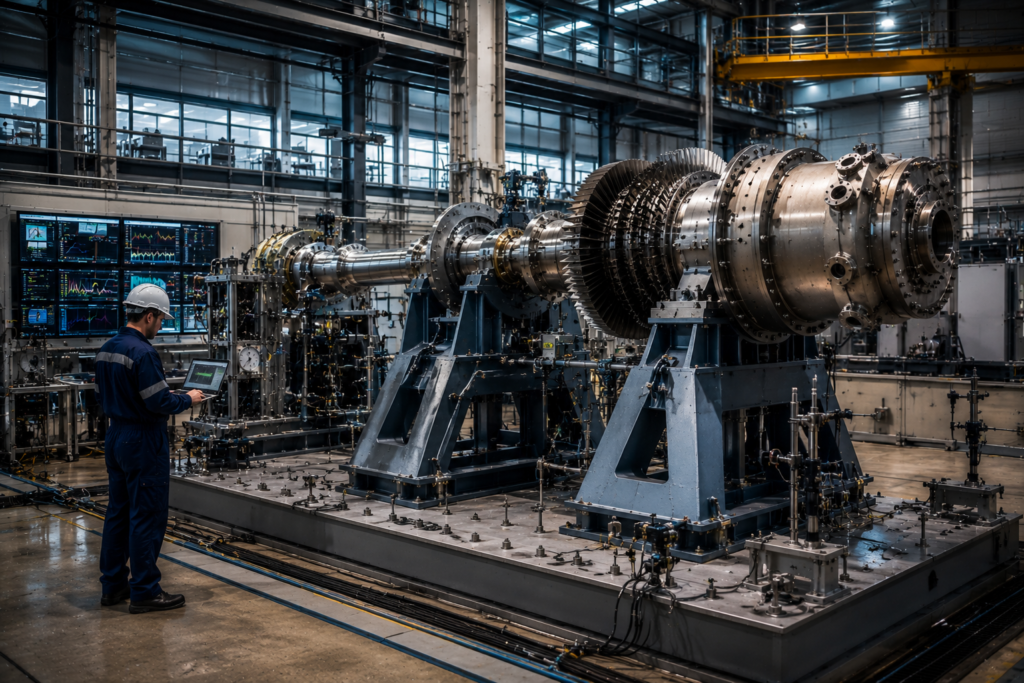
Fluid flow can generate forces that excite equipment components, piping, valves, ducts, casings, and supports.
We analyze:
This helps reduce vibration caused by unstable or unbalanced flow behavior.
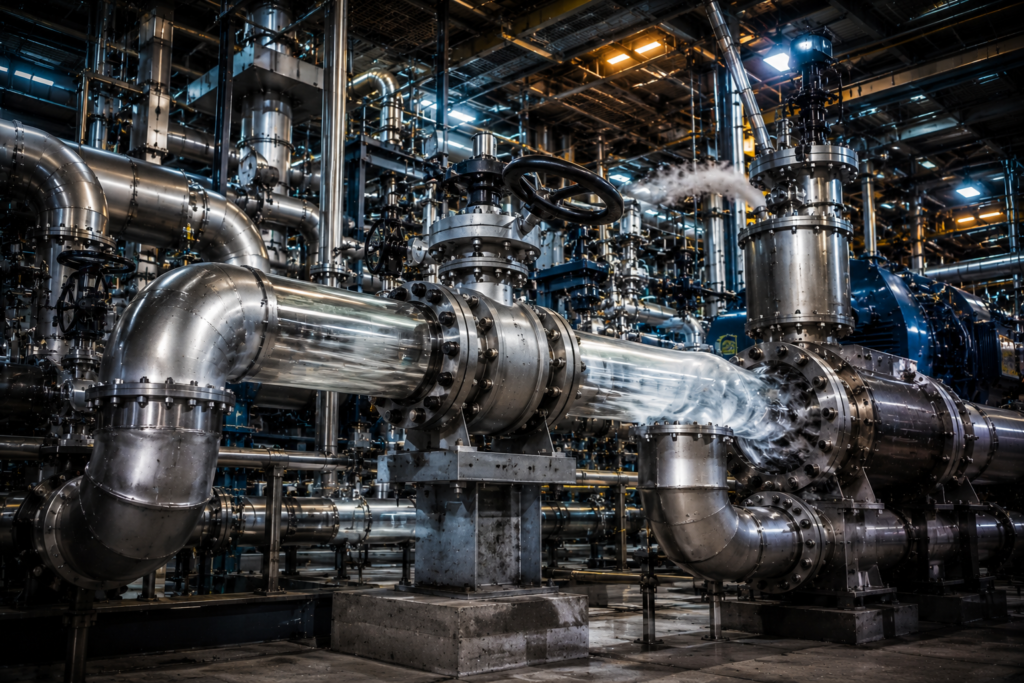
Once vibration, pulsation, or noise sources are identified, Experiqs supports design improvements to reduce operational impact.
We support optimization of:
This helps improve reliability while maintaining equipment performance.

Identify vibration sources and reduce dynamic response before they cause fatigue, damage, or failure.
Analyze and reduce pressure fluctuations, unsteady flow behavior, and pulsation-related operating issues.
Reduce machinery noise and flow-induced acoustic issues while maintaining system performance.
Prevent resonance, fatigue, and instability that can reduce equipment life and increase maintenance costs.
Evaluate dynamic loads, structural response, and operating limits for safer long-term operation.
Use simulation-led analysis to identify the source of noise, vibration, or pulsation more clearly than inspection alone.
Experiqs combines CFD simulation, unsteady flow analysis, structural dynamics, vibration assessment, pressure pulsation studies, acoustic evaluation, and simulation-driven design optimization to solve complex noise, vibration, and pulsation challenges.
Our strength lies in connecting fluid behavior with structural and acoustic response. We help clients understand how pressure fluctuations, unsteady flow, rotating components, and system geometry contribute to vibration, noise, resonance, and reliability problems.
By validating improvements virtually before implementation, Experiqs helps teams reduce downtime, improve equipment life, lower noise levels, and operate machinery with greater reliability.
Improve machinery reliability, reduce pressure pulsation, control vibration, avoid resonance, and lower operational noise with Experiqs’ Noise, Vibration & Pulsation Analysis services.
Talk to our experts to evaluate your equipment or system and identify practical opportunities for quieter, safer, and more reliable operation.
Partner with Experiqs to transform complex ideas into validated, industry-ready engineering solutions
Discover how to partner with Experiqs and get started quickly
Whether you’re exploring a new R&D initiative, seeking advanced simulations, planning experimental validation, or evaluating product feasibility—our experts are ready to assist you.
