
More results...
More results...
Thermal systems, cooling equipment, HVAC units, fans, pumps, ducts, compressors, and fluid flow networks must operate smoothly, quietly, and reliably. Excessive noise or vibration can reduce user comfort, affect equipment reliability, create structural fatigue, increase maintenance requirements, and indicate deeper performance problems inside the system.
Noise and vibration are not only comfort issues. They are often signs of flow imbalance, mechanical instability, pressure fluctuation, resonance, poor mounting, component interaction, or inefficient system design.
Experiqs provides Noise and Vibration Control services for thermal systems, cooling systems, HVAC systems, industrial equipment, data center infrastructure, and mission-critical environments. We help engineering teams identify noise sources, reduce vibration, improve acoustic performance, and enhance operational stability through simulation-driven and engineering-led analysis.
Mechanical systems that operate with high noise or vibration can create long-term reliability problems. Vibrations may damage components, loosen joints, reduce equipment life, affect rotating machinery, and increase the risk of operational failure. Noise can also affect user experience, workplace comfort, regulatory compliance, and performance perception.
In thermal and fluid systems, noise and vibration may be caused by turbulent airflow, pressure pulsations, fan operation, pump behavior, duct geometry, compressor dynamics, fluid flow instability, structural resonance, or poor equipment isolation.
Traditional troubleshooting may reduce the symptom without solving the actual cause. Experiqs helps teams move from reactive noise control to data-driven acoustic and vibration optimization by analyzing mechanical behavior, airflow patterns, fluid flow effects, pressure fluctuations, vibration transmission paths, and system-level stability.
We identify and reduce operational noise generated by thermal systems, HVAC equipment, cooling units, fans, pumps, compressors, ducts, vents, and fluid flow networks.
Our analysis helps assess:
This helps create quieter systems that deliver better user experience and operational acceptability.
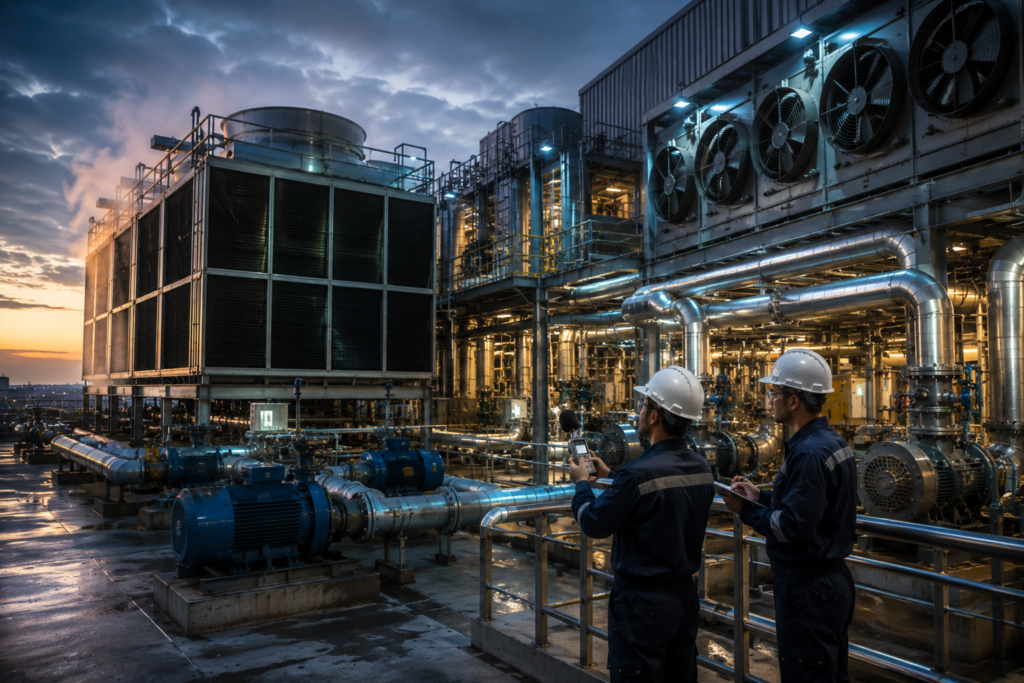
Mechanical vibration can affect system stability, component life, and operational smoothness. Experiqs evaluates vibration behavior and identifies practical methods to reduce vibration transmission and mechanical stress.
We evaluate:
This helps reduce mechanical instability and improve long-term equipment reliability.
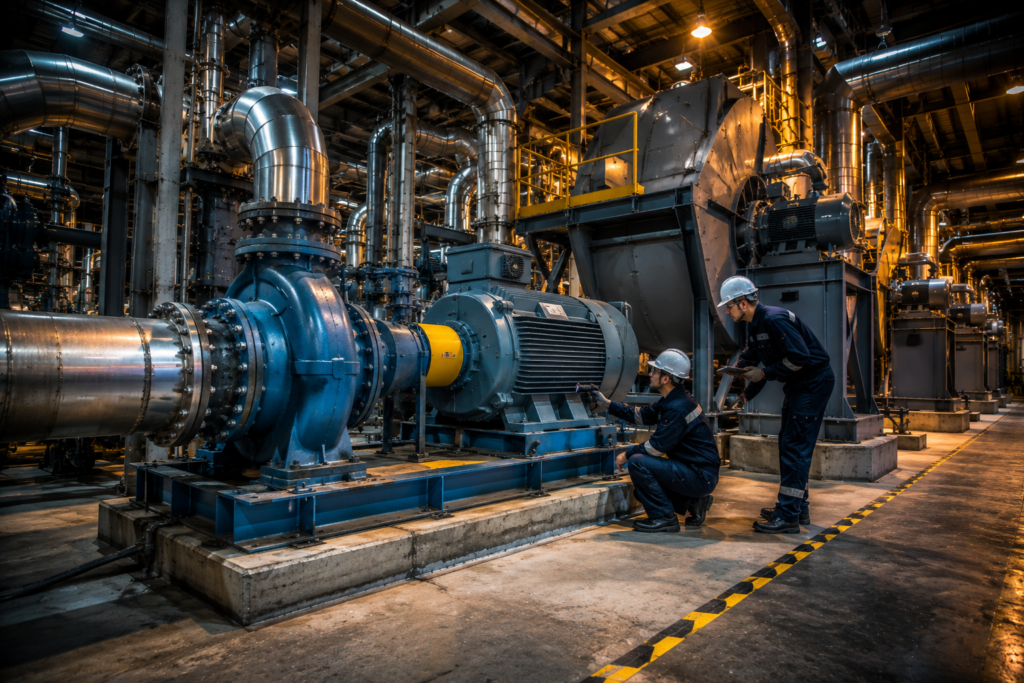
Sensitive environments require thermal and mechanical systems to operate within acceptable acoustic limits. Experiqs supports acoustic performance improvement through system-level analysis and targeted design recommendations.
We help assess:
This helps tailor noise control solutions for user-facing, industrial, commercial, and mission-critical environments.
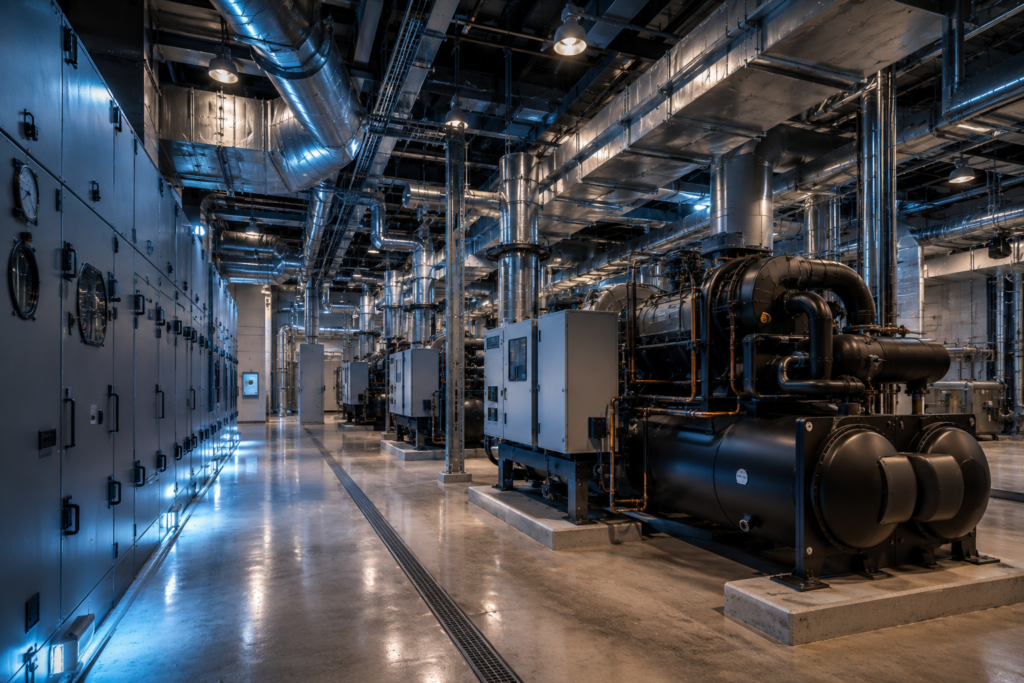
Airflow and fluid flow behavior can generate significant noise when systems have high velocity, sharp turns, sudden expansions, restrictions, turbulence, or pressure fluctuations.
Experiqs analyzes:
This helps reduce noise by improving flow behavior instead of relying only on downstream acoustic treatment.
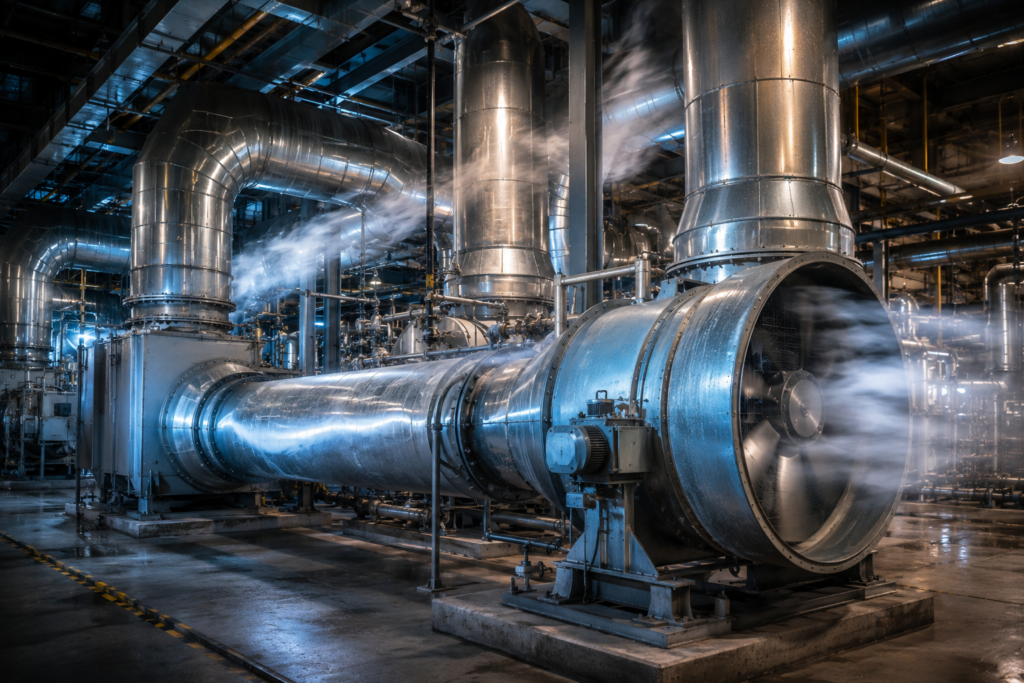
Noise and vibration are often connected to overall system stability. Experiqs evaluates how components, supports, flow forces, operating conditions, and equipment dynamics interact.
We assess:
This helps improve system smoothness, reliability, and operational confidence.
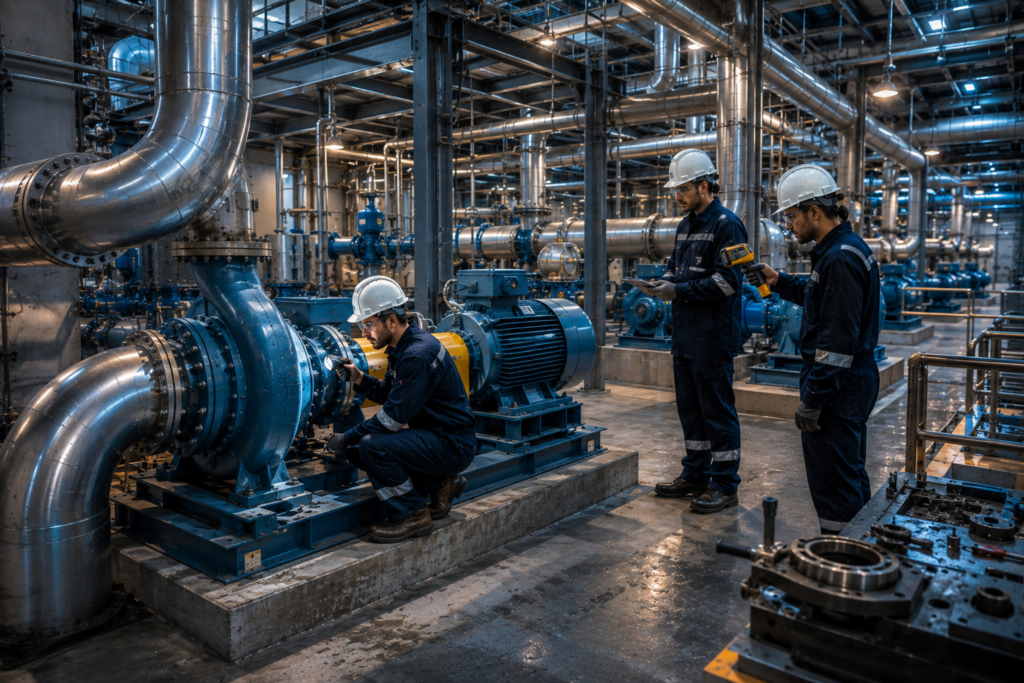
Experiqs supports practical design improvements to reduce noise, vibration, and acoustic impact before installation, retrofit, or product deployment.
We help assess and optimize:
Our recommendations help reduce operational sound, minimize mechanical vibration, and improve system-level performance.
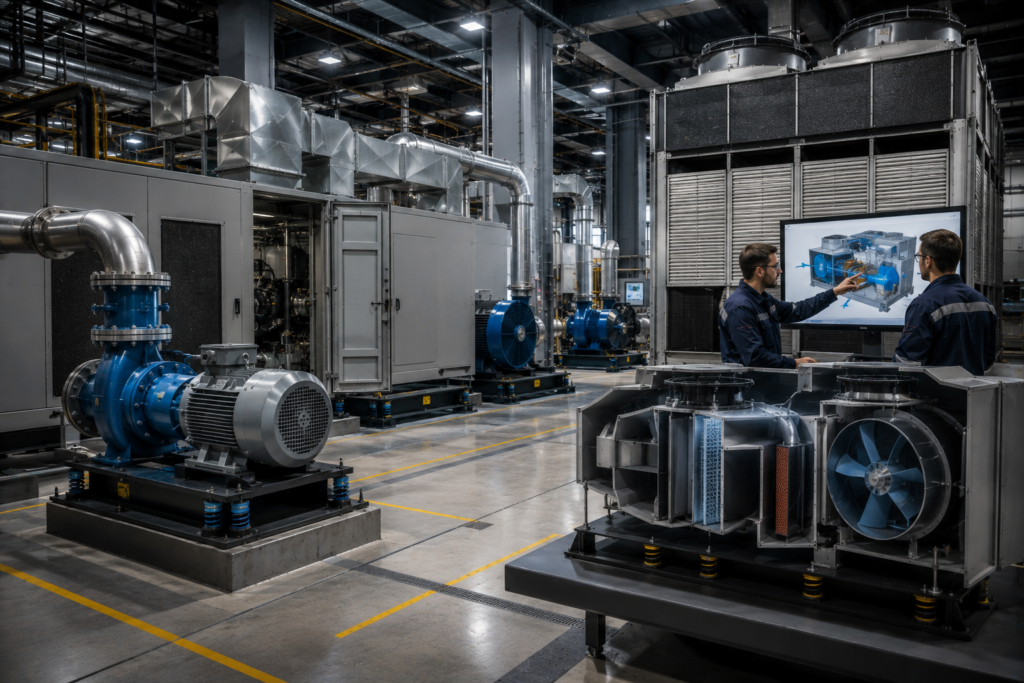
Identify and reduce sound generated by fans, pumps, ducts, compressors, flow restrictions, and equipment interaction.
Minimize vibration transmission, improve mechanical smoothness, and reduce stress on equipment and supporting structures.
Improve system suitability for sensitive, commercial, industrial, and mission-critical environments.
Reduce fatigue, loosening, instability, and long-term damage caused by excessive vibration.
Create quieter and smoother systems that improve comfort, usability, and perceived product quality.
Use engineering analysis and simulation-backed insights to identify root causes and select practical mitigation strategies.
Experiqs combines thermal engineering, fluid dynamics, CFD simulation, mechanical analysis, acoustic understanding, vibration assessment, and system optimization expertise to improve operational stability.
Our strength lies in connecting noise and vibration issues to their engineering causes. We help clients understand whether problems are driven by airflow, fluid flow, pressure fluctuation, mechanical instability, structural transmission, equipment placement, or system layout.
By identifying root causes and validating practical improvements, Experiqs helps teams reduce sound levels, minimize vibration, improve reliability, and create smoother, quieter, high-performing systems.
Reduce operational noise, control mechanical vibration, improve acoustic performance, and enhance system stability with Experiqs’ Noise and Vibration Control services.
Talk to our experts to evaluate noise and vibration issues and identify practical improvement opportunities for quieter, smoother, and more reliable system operation.
Partner with Experiqs to transform complex ideas into validated, industry-ready engineering solutions
Discover how to partner with Experiqs and get started quickly
Whether you’re exploring a new R&D initiative, seeking advanced simulations, planning experimental validation, or evaluating product feasibility—our experts are ready to assist you.
