
More results...
More results...
Thermal systems must perform reliably across their full operational life. Heat, pressure, vibration, material stress, flow variation, cyclic loading, environmental exposure, and changing operating conditions can gradually weaken system performance and increase the risk of failure.
Reliability is not only about whether a system works today. It is about whether it can continue to perform safely, efficiently, and consistently over time.
Experiqs provides Reliability and Durability Enhancement services for thermal systems, cooling systems, HVAC systems, heat exchangers, industrial equipment, data center cooling infrastructure, energy systems, and mission-critical engineering applications. We help teams identify potential failure points, assess lifecycle performance, reduce durability risks, and improve long-term operational stability through simulation-driven engineering analysis.
Thermal systems often operate under demanding conditions, including temperature variation, pressure cycling, continuous flow, vibration, mechanical loading, humidity, corrosion exposure, and start-stop operating cycles.
Over time, these conditions can lead to material fatigue, structural stress, leakage, deformation, thermal expansion issues, component wear, unstable performance, and unexpected downtime.
Traditional performance checks may confirm that a system works under current conditions, but they may not reveal how the system will behave after repeated loading, prolonged operation, or changing environmental conditions.
Experiqs helps teams move from short-term validation to lifecycle-focused reliability planning by analyzing stress, fatigue, thermal behavior, flow-induced loads, operating cycles, and durability risks across the system’s intended service life.
We identify potential failure points by evaluating mechanical stress, thermal stress, cyclic loading, fatigue behavior, and structural response under real operating conditions.
Our analysis helps assess:
This helps improve system durability and reduce the risk of premature failure.
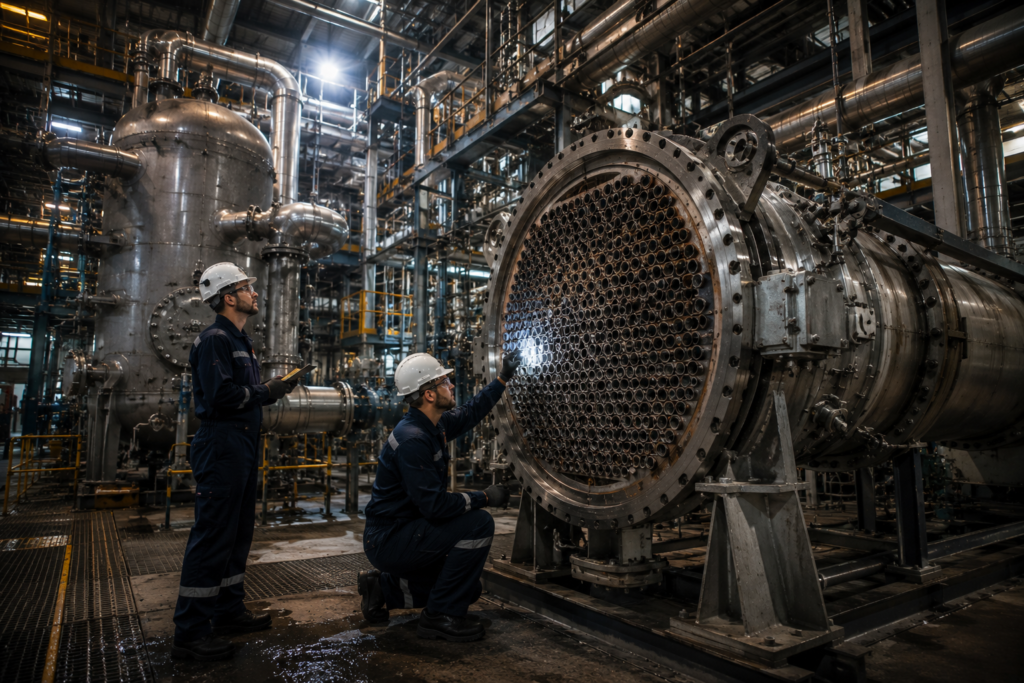
System performance can change significantly over time due to wear, fouling, material degradation, environmental exposure, and repeated operating cycles. Experiqs evaluates long-term performance behavior to understand how systems may age under practical conditions.
We analyze:
This helps teams improve durability and plan systems that perform consistently across their intended lifecycle.
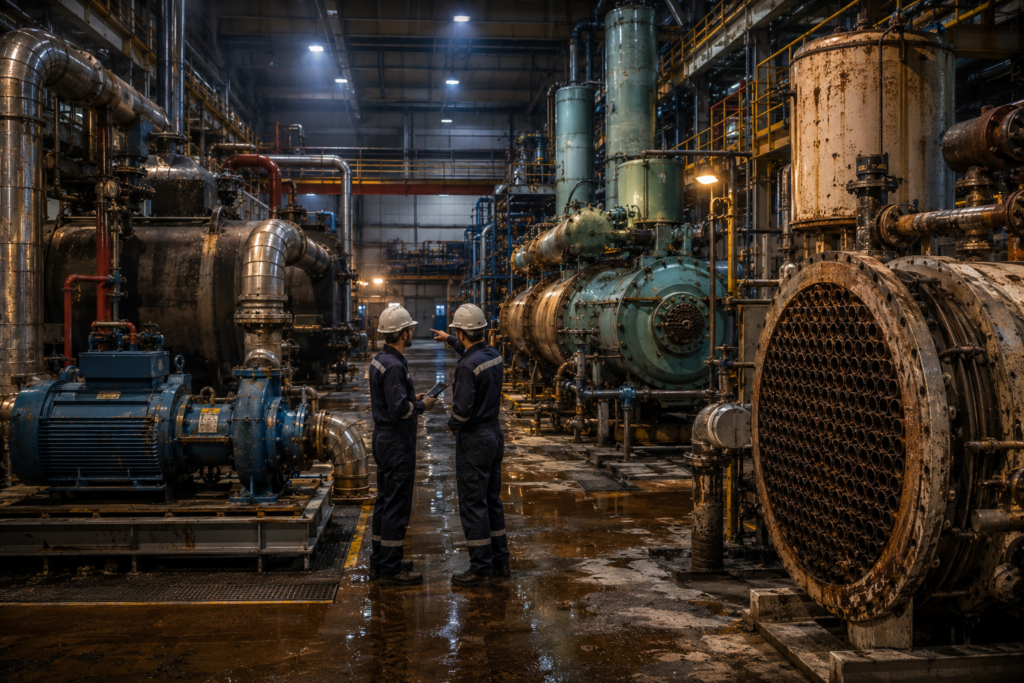
Reliable systems must maintain stable performance across changing loads, flow rates, temperatures, pressures, and environmental conditions.
We evaluate:
This helps ensure systems remain reliable throughout their operational period.
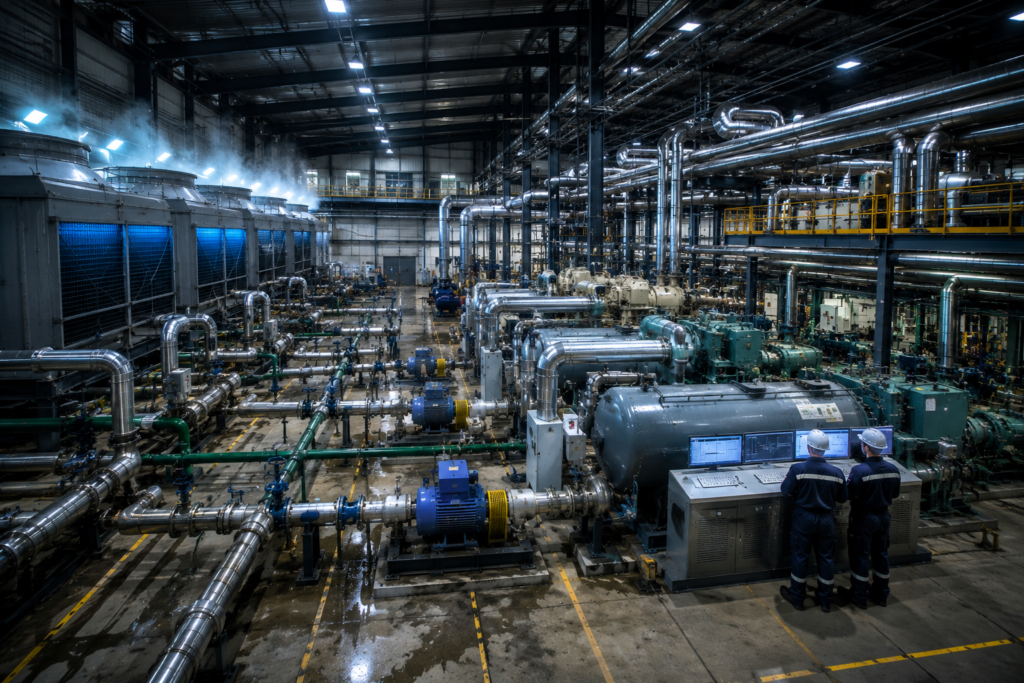
Unexpected failures often begin with hidden weak points in geometry, material selection, component placement, joints, supports, or operating conditions. Experiqs helps identify these risks before they affect real-world operation.
We assess:
This helps prioritize design improvements and preventive actions before failure occurs.
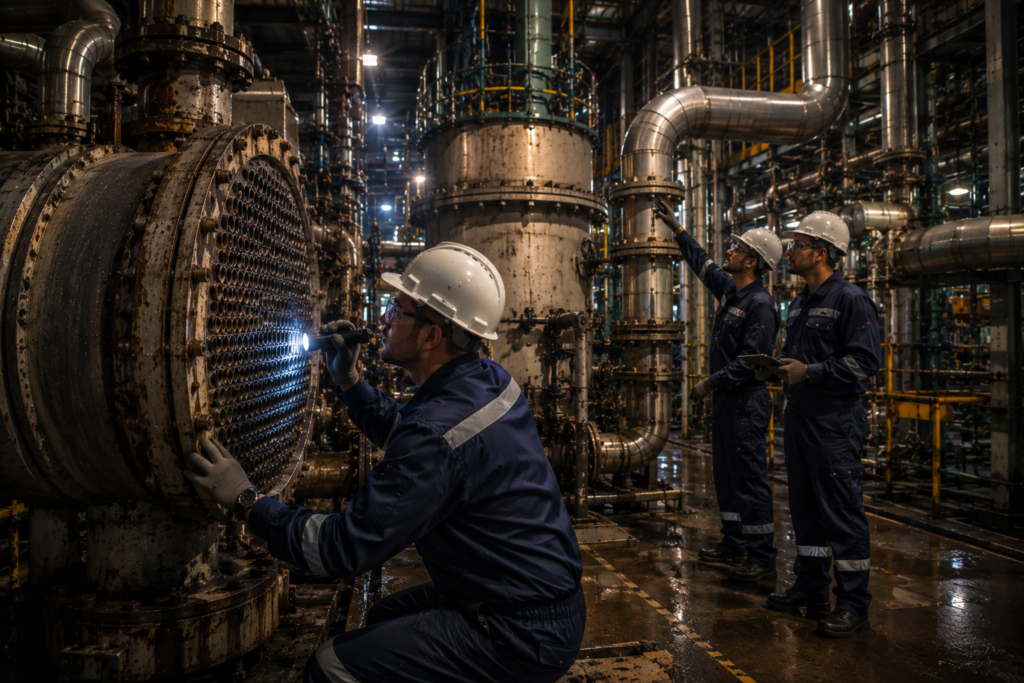
Thermal systems experience expansion, contraction, and stress due to temperature gradients and repeated heating or cooling cycles. Poor management of thermal stress can reduce durability and damage components over time.
Experiqs analyzes:
This helps improve material selection, layout design, support strategy, and long-term durability.
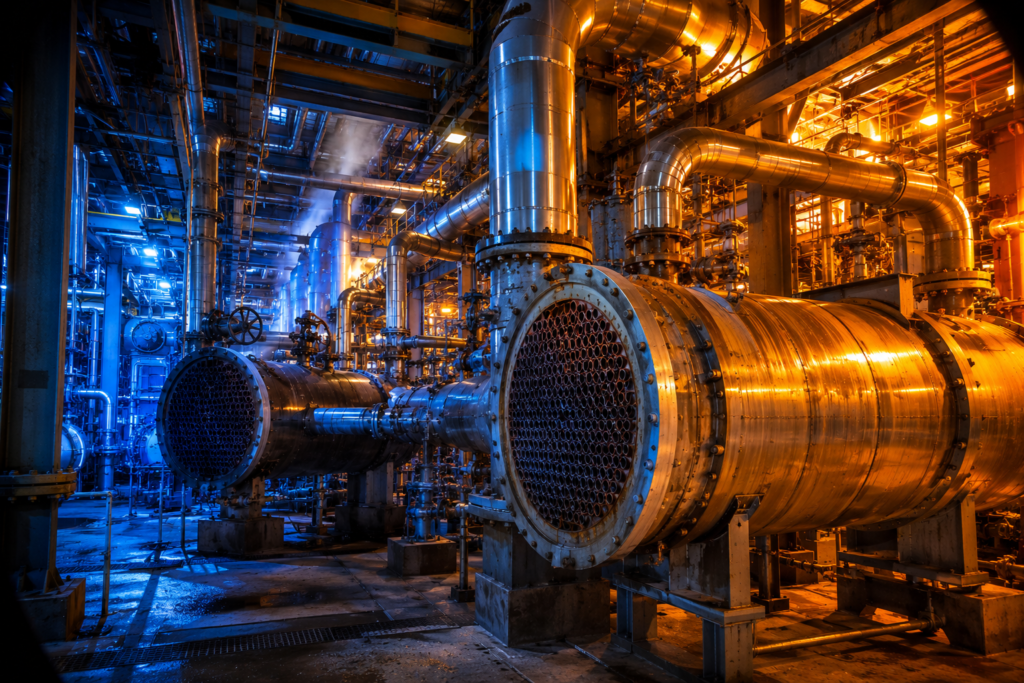
Experiqs supports design improvements that strengthen system robustness, reduce failure risk, and improve lifecycle performance.
We help assess and optimize:
Our recommendations help improve system reliability while supporting safe, stable, and long-term operation.
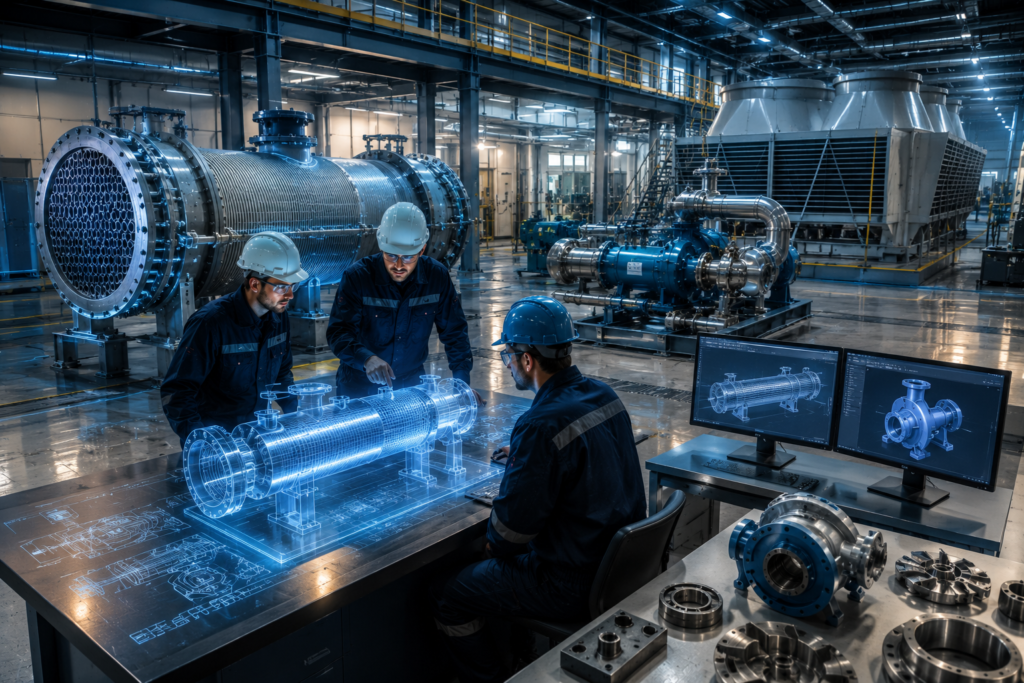
Identify and reduce failure risks before they affect real-world operation.
Improve the ability of systems and components to withstand thermal, mechanical, pressure, and cyclic loading over time.
Understand how systems may perform under repeated operation, varying conditions, and long-term exposure.
Detect weak points, stress concentration zones, fatigue risks, and degradation mechanisms early in the design or improvement process.
Ensure systems perform consistently across changing loads, temperatures, pressures, and environmental conditions.
Use simulation-backed engineering evidence to prioritize design changes, maintenance actions, and durability improvements.
Experiqs combines thermal engineering, CFD simulation, structural analysis, stress assessment, fatigue evaluation, lifecycle performance analysis, and reliability engineering expertise to improve long-term system performance.
Our strength lies in identifying how thermal, mechanical, flow, pressure, vibration, and operating conditions affect durability over time. We help clients understand where failure may occur, why reliability may degrade, and which design or operational improvements can improve system robustness.
By validating reliability risks before deployment, retrofit, or long-term operation, Experiqs helps teams reduce downtime, improve durability, protect critical assets, and strengthen confidence in system performance.
Improve durability, reduce failure risk, enhance operational stability, and support long-term performance with Experiqs’ Reliability and Durability Enhancement services.
Talk to our experts to evaluate your system reliability and identify practical improvement opportunities for stronger, longer-lasting thermal system performance.
Partner with Experiqs to transform complex ideas into validated, industry-ready engineering solutions
Discover how to partner with Experiqs and get started quickly
Whether you’re exploring a new R&D initiative, seeking advanced simulations, planning experimental validation, or evaluating product feasibility—our experts are ready to assist you.
