
More results...
More results...
Electrochemical systems such as batteries, fuel cells, and electrolysers involve simultaneous electrochemical reactions and heat generation during operation. The interaction between these processes directly affects energy efficiency, performance, durability, safety, and system reliability. Electrochemical–Thermal Simulation enables engineers to evaluate these coupled phenomena within a single computational model before prototype development, validation, or commercial deployment.
At Experiqs, we perform Electrochemical-Thermal Simulations to analyze electrochemical reactions, ion transport, current distribution, heat generation, and temperature evolution under realistic operating conditions. These simulations help engineers optimize system performance, improve thermal management, enhance safety, and validate engineering designs across energy storage, hydrogen technologies, electric mobility, and advanced electrochemical systems.
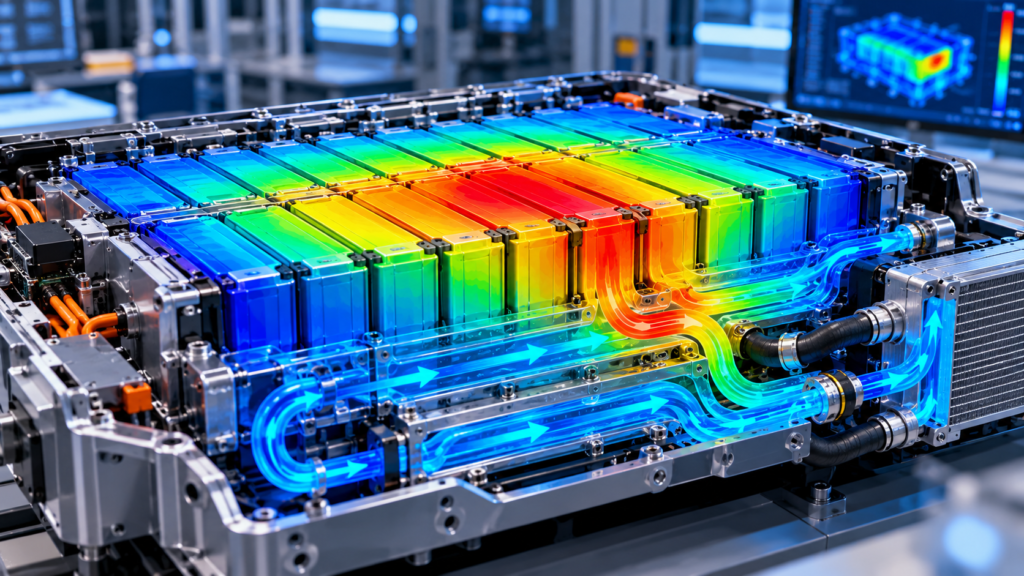
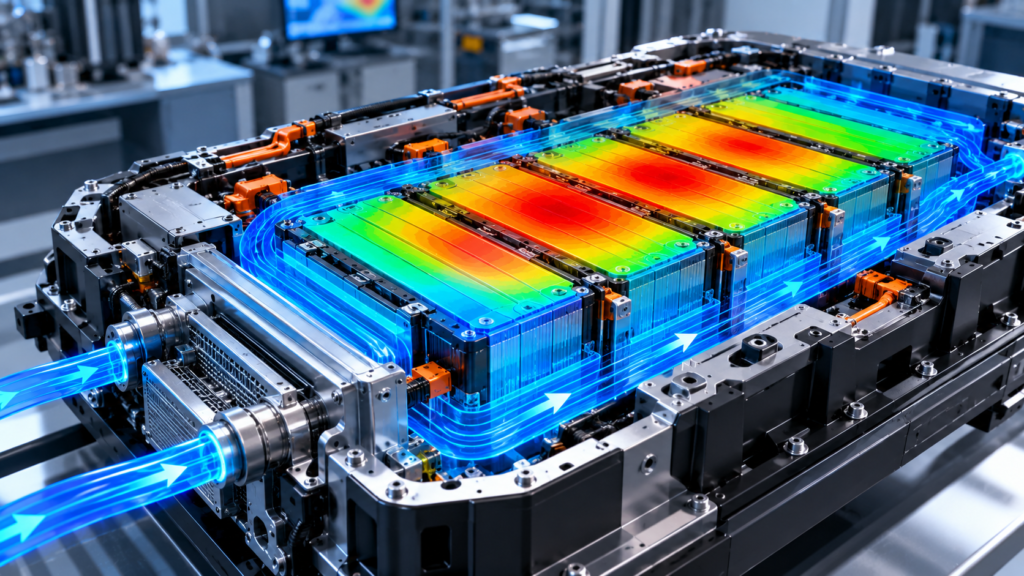
Electrochemical performance and thermal behaviour continuously influence one another. Electrochemical reactions generate heat, while temperature affects reaction kinetics, ion transport, electrical resistance, charging efficiency, degradation, and overall system performance. Evaluating these effects independently may not accurately represent real operating conditions.
Electrochemical-Thermal Simulation enables engineers to predict these coupled interactions during the design stage. By simultaneously evaluating electrochemical behaviour and heat transfer, engineering teams can optimize system designs, improve efficiency, extend product life, enhance safety, and reduce dependence on repeated experimental testing.
Our electrochemical-thermal simulation capabilities support the coupled evaluation of electrochemical reactions and thermal behaviour across advanced engineering systems. These analyses help engineers investigate heat generation, temperature distribution, current density, electrochemical performance, and system reliability while supporting product development and engineering validation.
Electrochemical-Thermal Simulations are widely applied across electric vehicle batteries, battery energy storage systems (BESS), fuel cells, electrolysers, hydrogen production systems, consumer electronics, aerospace power systems, renewable energy storage, industrial electrochemical equipment, and advanced energy technologies where electrochemical and thermal interactions directly influence performance, safety, and reliability.
Depending on the project requirements, clients may receive:
Whether you’re optimizing battery performance, improving electrochemical system efficiency, evaluating coupled thermal effects, or validating advanced energy systems under real operating conditions, our engineers can help identify the appropriate electrochemical-thermal simulation approach for your application.
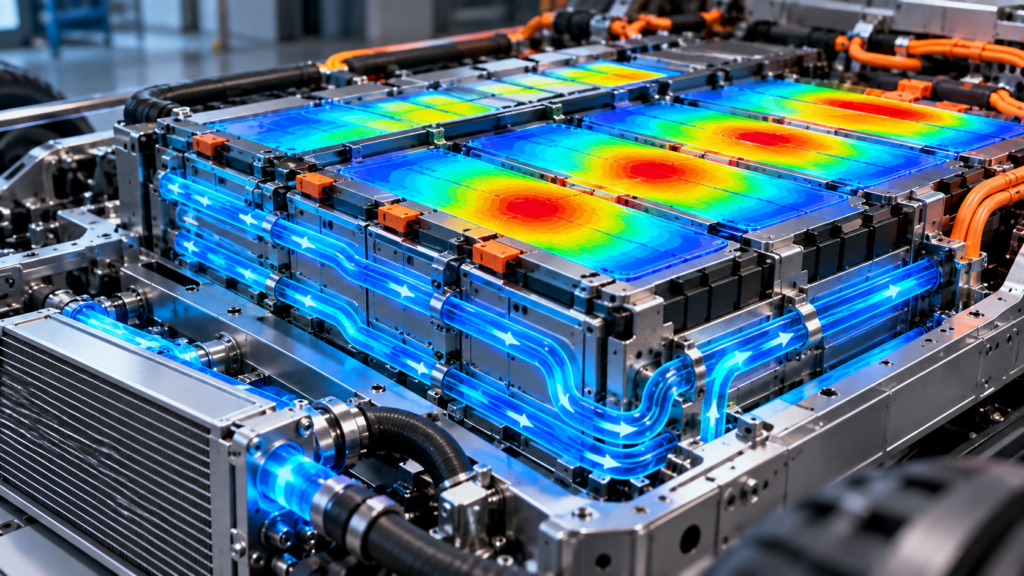
Partner with Experiqs to transform complex ideas into validated, industry-ready engineering solutions
Discover how to partner with Experiqs and get started quickly
Whether you’re exploring a new R&D initiative, seeking advanced simulations, planning experimental validation, or evaluating product feasibility—our experts are ready to assist you.
Whether you’re exploring a new R&D initiative, seeking advanced simulations, planning experimental validation, or evaluating product feasibility—our experts are ready to assist you.
