
More results...
More results...
Many engineering and material processes depend on the movement of atoms, molecules, ions, or chemical species through solids, liquids, or gases. Diffusion, transport, and reaction modelling enables engineers to understand how these mechanisms influence material behaviour, chemical processes, and product performance under different operating conditions before experimental validation or industrial implementation.
At Experiqs, we use computational modelling to simulate diffusion phenomena, species transport, and reaction kinetics across engineering materials and chemical systems. These analyses support product development, process optimization, material engineering, energy storage technologies, catalysis, and advanced manufacturing applications.
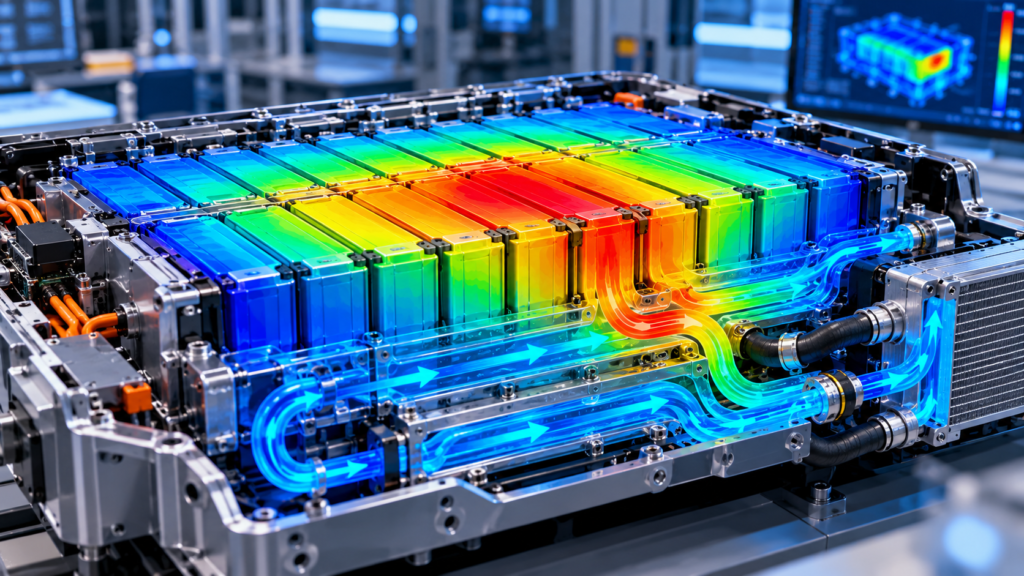
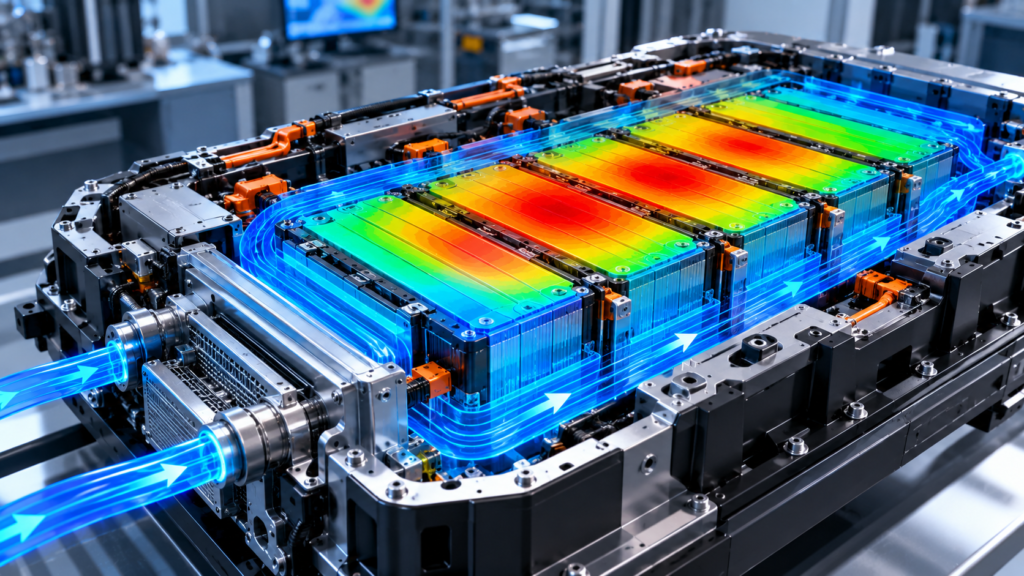
Material performance and process efficiency are often governed by microscopic transport phenomena that cannot be directly observed through conventional testing. Diffusion rates, mass transport, and chemical reactions influence corrosion, battery performance, coatings, catalysis, material degradation, and manufacturing processes.
Simulation enables engineers to investigate these mechanisms under controlled operating conditions, evaluate alternative material systems, optimize process parameters, and reduce the need for repeated experimental trials. This leads to more informed engineering decisions and accelerated product development.
Our diffusion, transport, and reaction modelling capabilities support the simulation of mass transport, species movement, and chemical reaction mechanisms across engineering materials and industrial processes. These analyses help engineers understand material behaviour, improve process efficiency, and validate engineering designs under realistic operating conditions.
Diffusion, transport, and reaction modelling is widely applied across battery technologies, hydrogen systems, fuel cells, catalysis, semiconductors, coatings, corrosion engineering, pharmaceuticals, chemical processing, advanced materials, and energy systems where transport phenomena influence product performance and process efficiency.
Whether you’re evaluating diffusion mechanisms, modelling chemical reactions, or optimizing transport processes within engineering materials or industrial systems, our engineers can help identify the appropriate simulation approach for your application.
Partner with Experiqs to transform complex ideas into validated, industry-ready engineering solutions
Discover how to partner with Experiqs and get started quickly
Whether you’re exploring a new R&D initiative, seeking advanced simulations, planning experimental validation, or evaluating product feasibility—our experts are ready to assist you.
Whether you’re exploring a new R&D initiative, seeking advanced simulations, planning experimental validation, or evaluating product feasibility—our experts are ready to assist you.
