
More results...
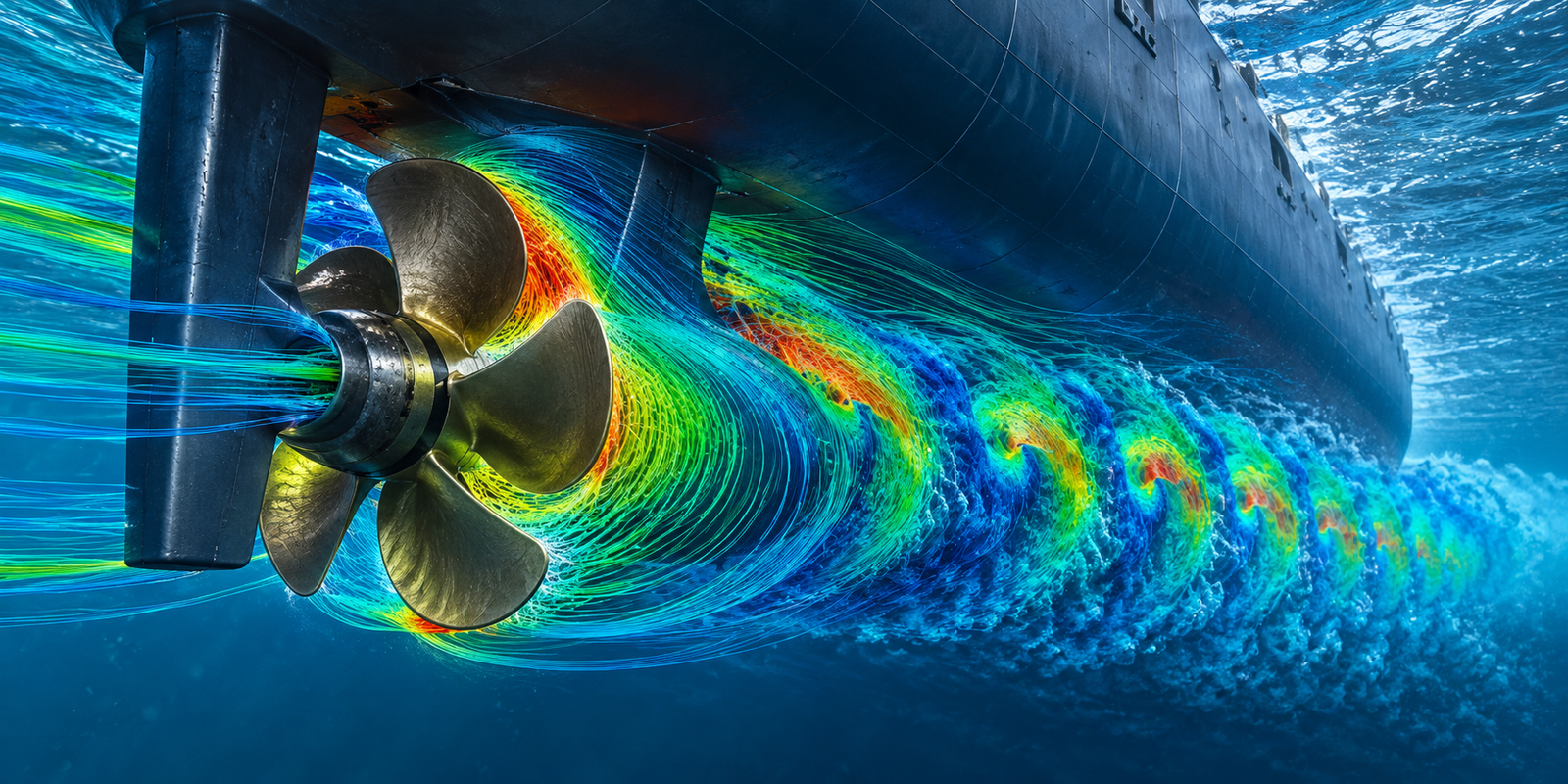
Our CFD simulation work focuses on modelling fluid flow and related physical behaviour to investigate engineering performance. Depending on the application, analysis may include internal flow, external aerodynamics, turbulence, pressure distribution, thermal-fluid interactions and flow optimization.

Our consulting-led engagement can help engineering teams define the scope of a fluid-flow problem, identify relevant simulation requirements, assess modelling assumptions and interpret CFD results in the context of engineering objectives. The exact scope depends on the project requirements and agreed deliverables.
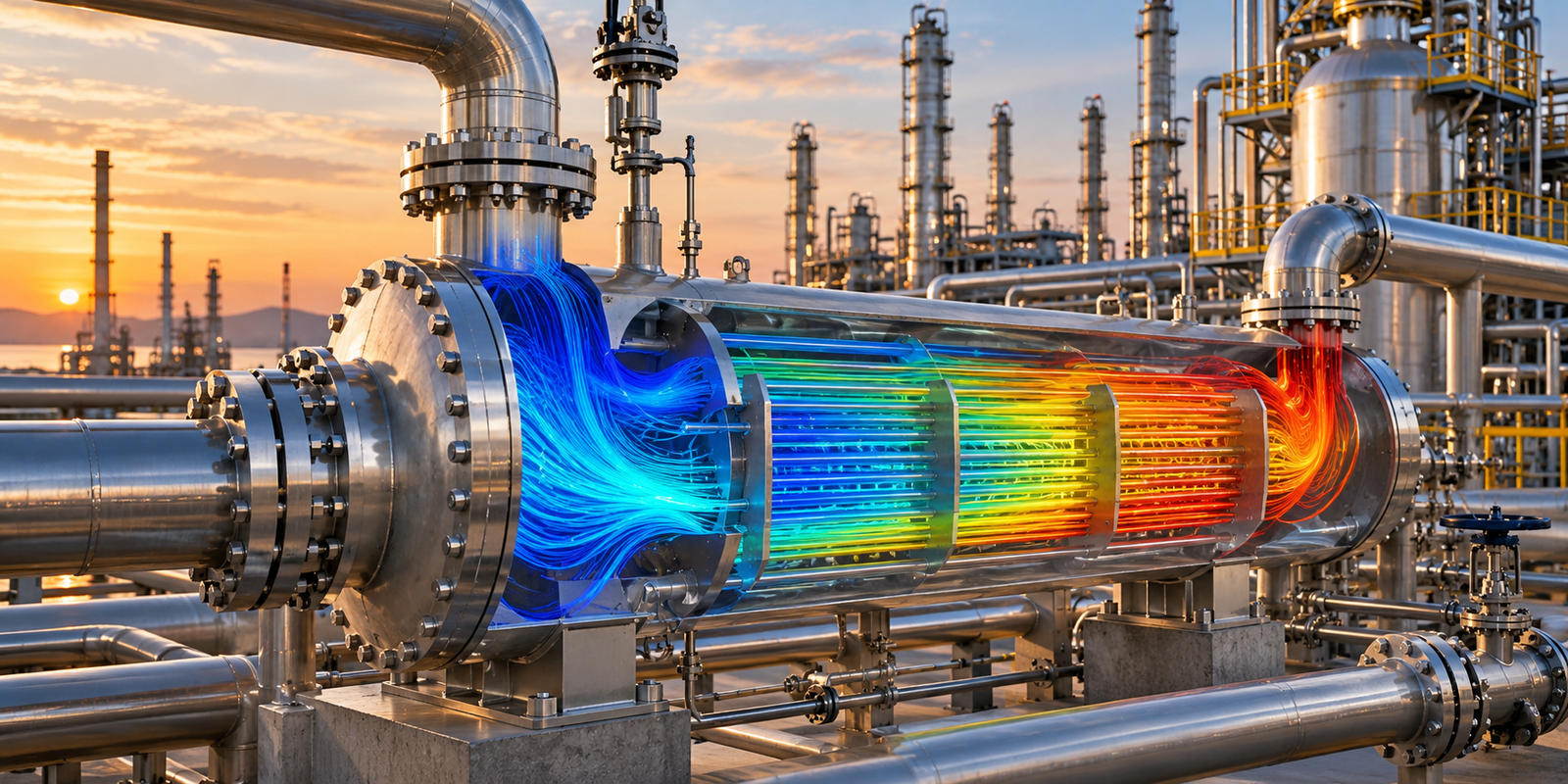
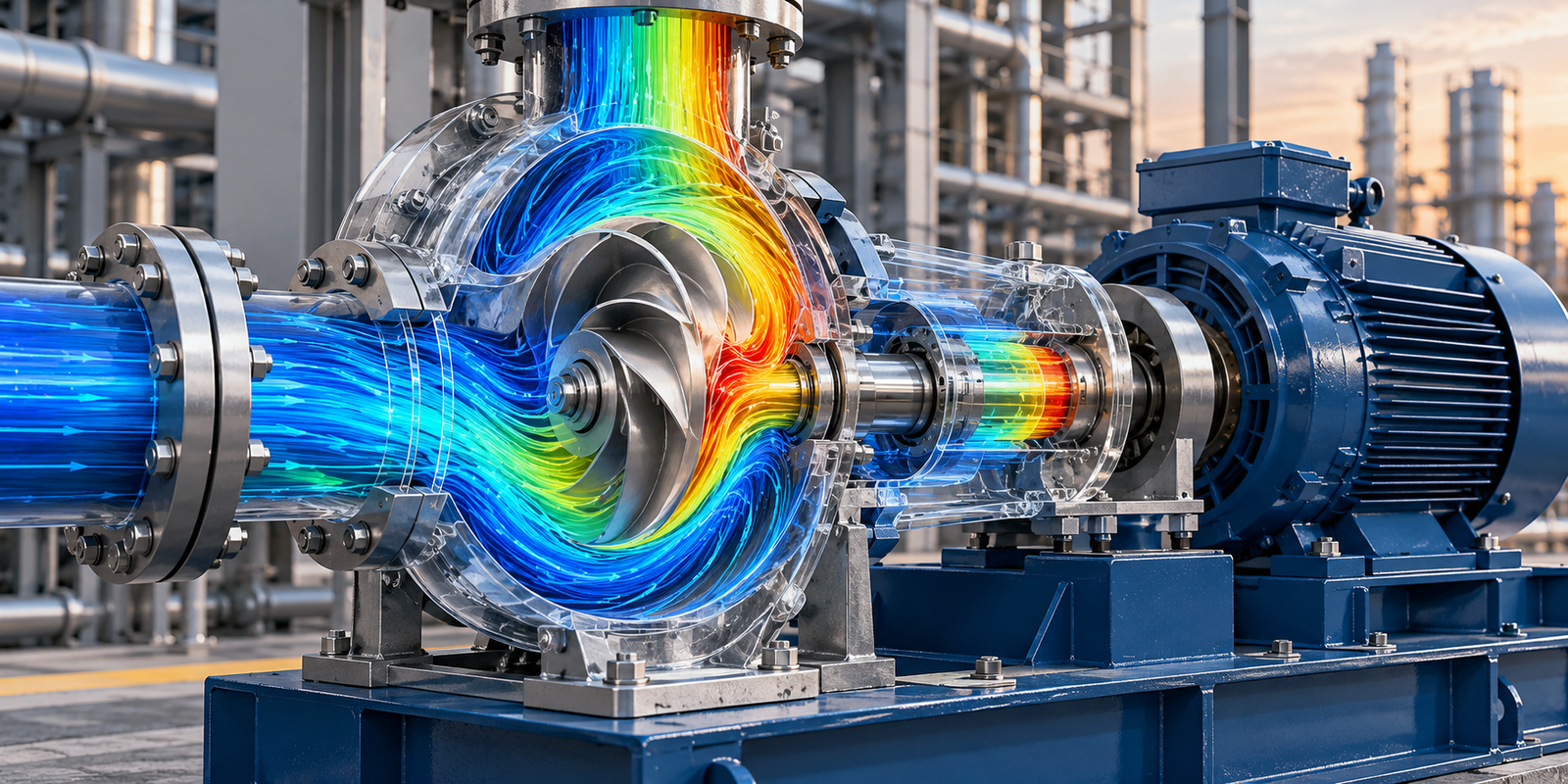
Evaluate fluid movement through ducts, pipes, manifolds, valves, passages and other internal flow geometries. Investigate velocity distribution, pressure losses, flow separation and recirculation to understand system behaviour.

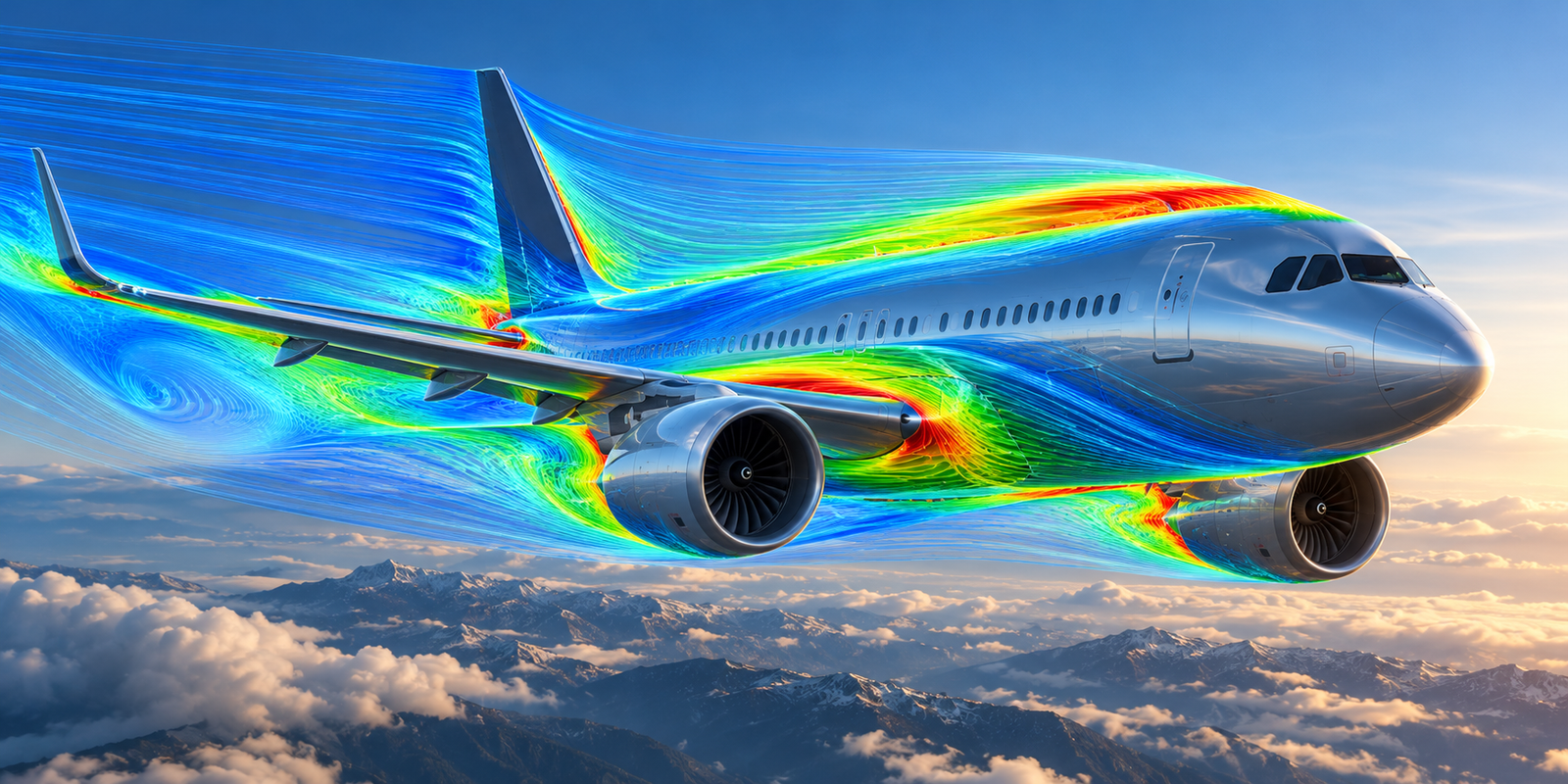
Study fluid flow around external surfaces and components. Depending on the application, analysis can help investigate aerodynamic forces, flow separation, wake behaviour and pressure distribution.

Assess flow behaviour under relevant operating conditions using an appropriate modelling approach. Model selection depends on the flow regime, geometry, available computational resources and required engineering outputs.

Use steady-state analysis to evaluate suitable operating conditions and transient simulation where time-dependent flow behaviour is important. The analysis approach is selected according to the engineering question being investigated.

Examine pressure fields and pressure losses across components or flow systems. Results can help identify regions of high resistance and inform the evaluation of alternative geometries or flow configurations.

Visualize velocity distribution, streamlines, recirculation zones and other relevant flow characteristics to understand how fluid moves through a system.

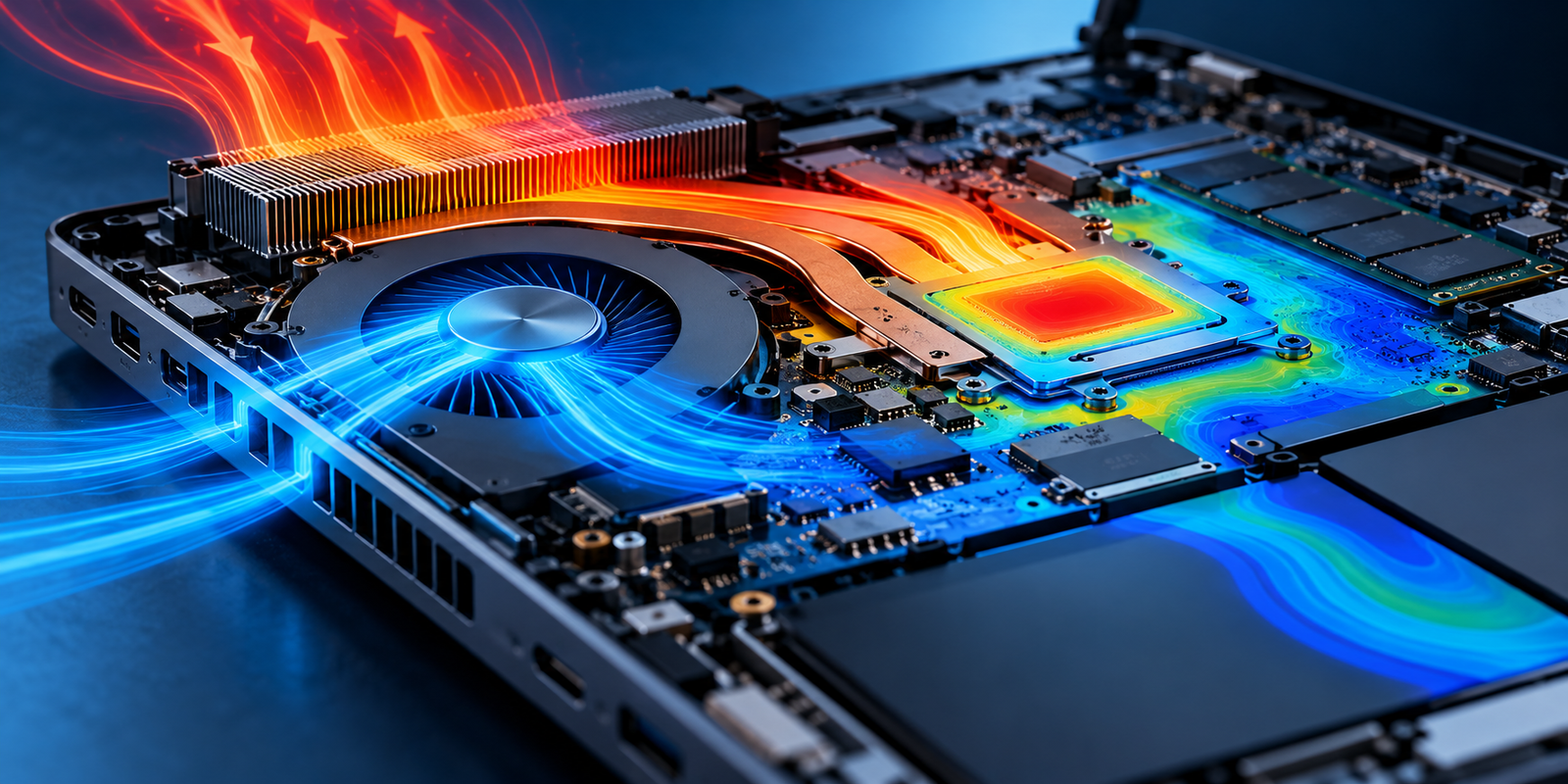
Investigate the interaction between fluid flow and heat transfer where thermal behaviour influences engineering performance. Applications may include cooling systems, heat-generating components and other thermally coupled systems.
Compare selected geometry or configuration alternatives to investigate improvements in flow distribution, pressure loss or thermal performance. Recommendations depend on the defined engineering objectives and constraints.

Review the engineering challenge, operating conditions, available geometry and intended performance criteria. Establish the questions the analysis needs to answer.

Identify the relevant physical phenomena, modelling requirements and suitable analysis approach. Define the assumptions and inputs needed for a meaningful study.

Assess the suitability of available geometry, operating data, material properties and boundary conditions for the intended analysis.

Review CFD outputs in the context of the engineering problem. Identify relevant flow patterns, pressure variations, thermal behaviour and areas requiring further investigation.

Translate simulation findings into practical observations and potential design improvements. Recommendations should be assessed against the project's requirements and, where necessary, supported by further analysis or validation.
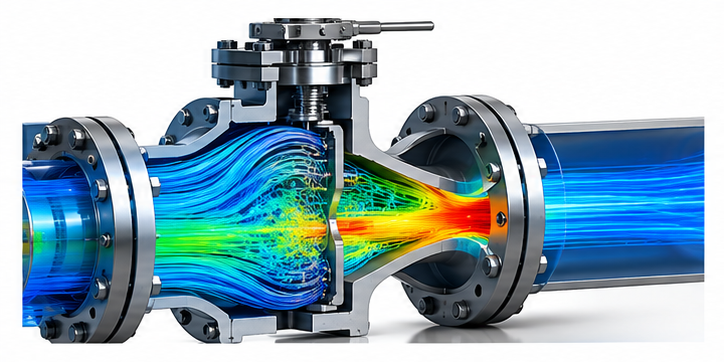
Investigate pressure losses through selected components, ducts, valves and flow passages to understand the influence of geometry and operating conditions.
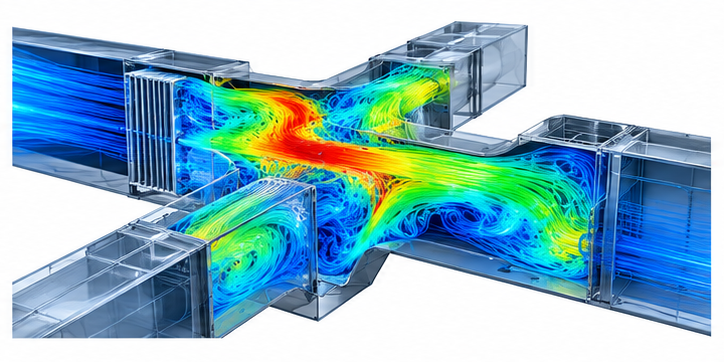
Assess flow maldistribution, recirculation and stagnant regions that may affect system performance or the intended delivery of fluid.
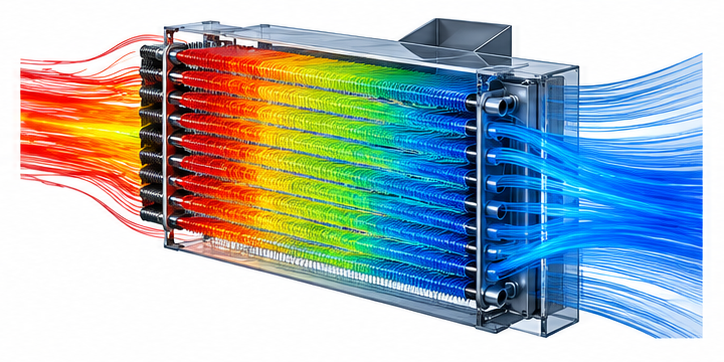
Study airflow or liquid flow patterns that influence heat removal and temperature distribution in relevant thermal systems.
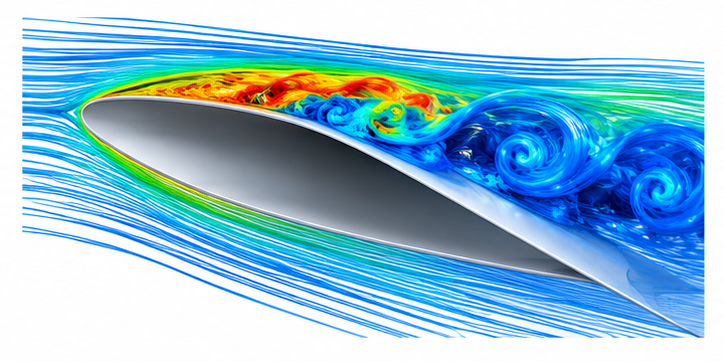
Evaluate flow behaviour around geometrical features and surfaces to investigate separation, wake formation and turbulence-related effects.
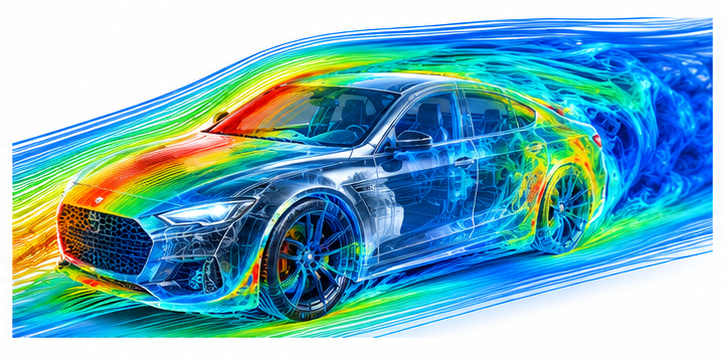
Compare selected design configurations virtually to obtain additional engineering insight before committing to physical modifications or prototypes.
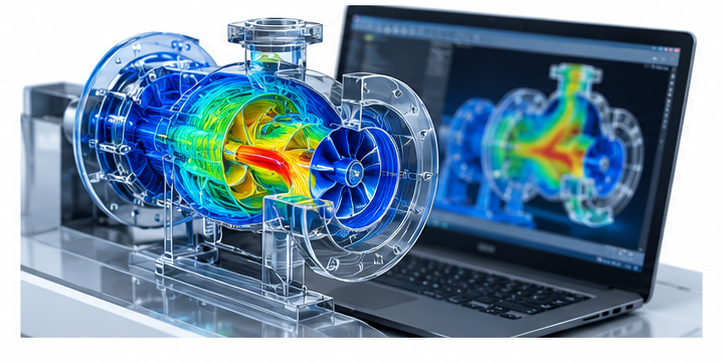
Establish the appropriate scope and inputs for a CFD study when the engineering problem, model assumptions or required outputs need clarification.



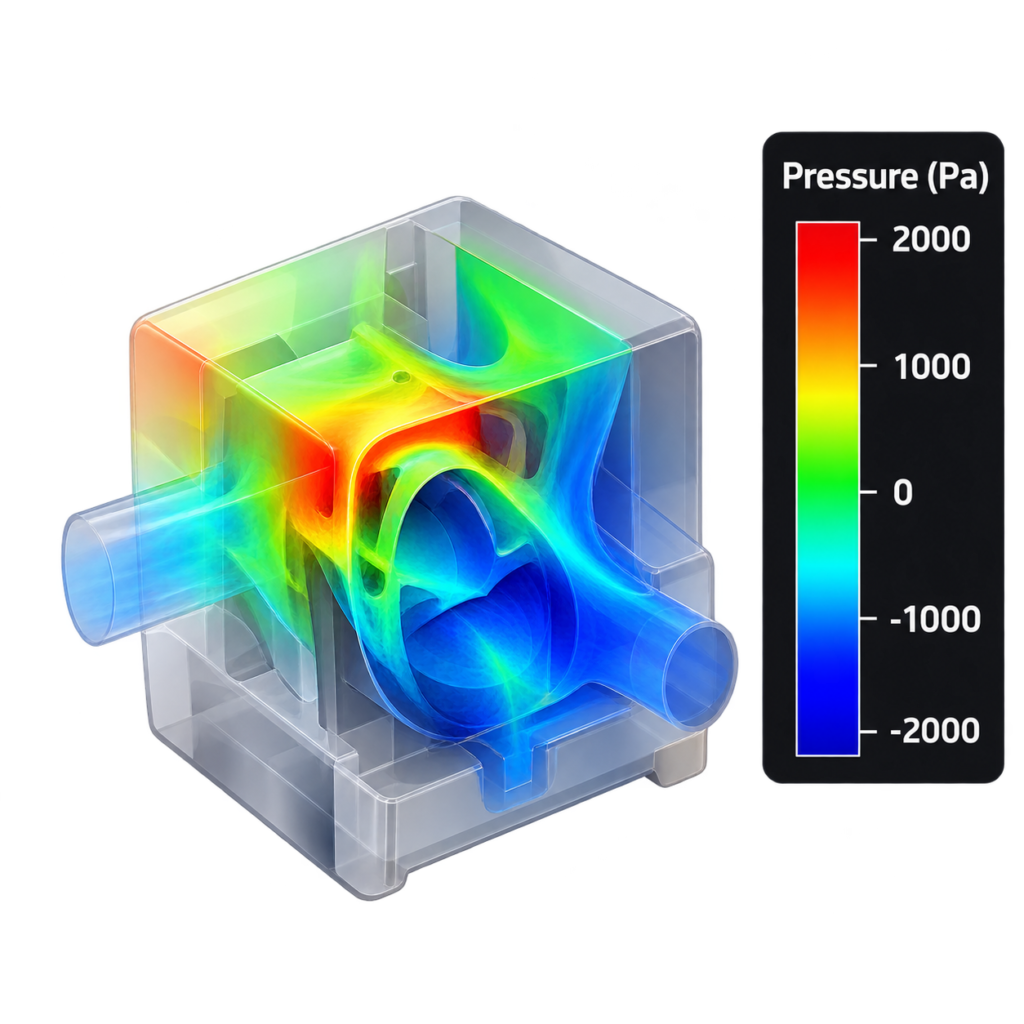

We begin with the engineering objective and select the analysis approach according to the problem being investigated.

CFD results are most useful when interpreted in the context of the physical system, operating conditions and design constraints.

Simulation can help engineering teams compare alternatives, investigate potential limitations and make more informed decisions before physical implementation.
CFD may form part of a wider engineering program involving thermal analysis, structural simulation, design development or experimental validation, depending on project needs.

Experiqs operates from India and supports engineering R&D requirements through simulation-led analysis and multidisciplinary technical expertise. Project scope, engagement model and deliverables are defined according to each client's requirements.
