

More results...
HVAC systems must distribute conditioned air effectively, maintain suitable indoor temperatures and support the ventilation requirements of the spaces they serve. However, complex layouts, equipment placement, heat sources and airflow interactions can create performance issues that are difficult to identify through conventional calculations alone.
Experiqs’ HVAC CFD simulation services use Computational Fluid Dynamics (CFD) to investigate airflow distribution, ventilation behaviour, pressure variations and temperature patterns in building and industrial environments. Simulation helps engineering teams understand how air moves through a space, evaluate proposed system configurations and identify areas that may require design improvement.
Whether you are assessing a new HVAC layout or investigating an existing airflow problem, our CFD-based engineering approach can provide detailed visualizations and analysis to support informed design decisions.
We use Computational Fluid Dynamics (CFD) to analyze airflow, ventilation and thermal behaviour in building and industrial environments, helping you solve complex HVAC performance challenges.

Understand how air moves through rooms, enclosed spaces and larger building environments. Building airflow simulation helps identify uneven air distribution, recirculation and areas where air movement may not align with the intended design.

Evaluate ventilation layouts and the interaction between supply and exhaust air. CFD-based ventilation analysis can help investigate airflow paths, stagnant regions and the distribution of air under specified operating conditions.

Examine airflow behaviour through selected duct sections, bends, junctions and other relevant passages. Depending on the model scope, pressure distribution and flow uniformity analysis can help identify potential restrictions and inform duct-layout improvements.

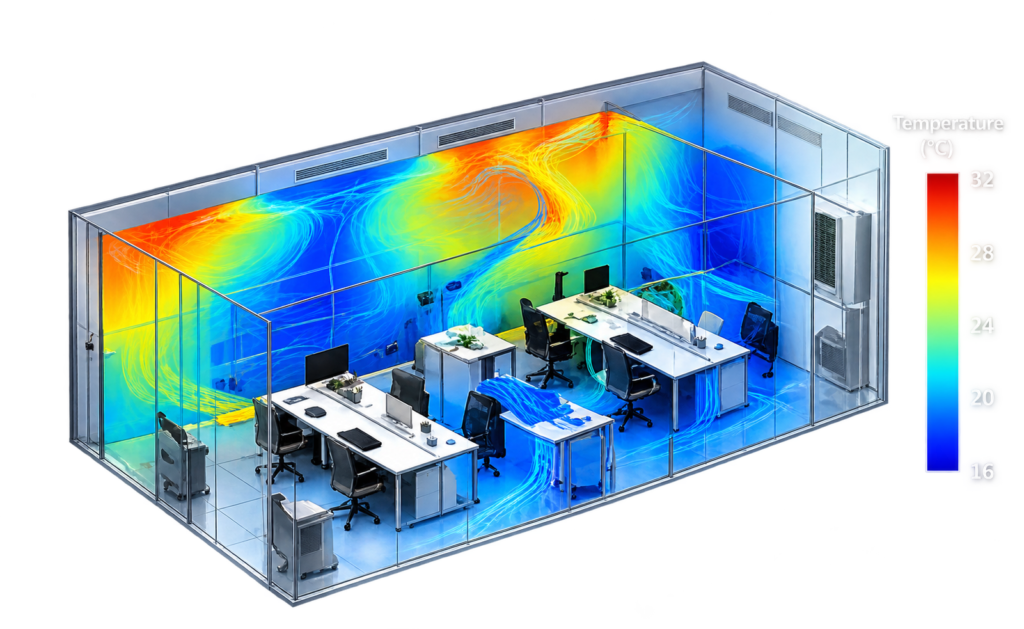
Model airflow and heat transfer to assess temperature variations within an occupied or operational space. Identify potential hot and cold regions and compare alternative HVAC configurations to understand their effect on thermal distribution.

Compare selected diffuser locations, supply-air arrangements, ventilation configurations and operating conditions. Simulation results can support engineering decisions about proposed design changes, subject to the defined project requirements.

Our simulations provide detalled insights into airflow. temperatures and pressure behaviour, helping you identify and address key performance issues.

Investigate why certain zones receive different airflow levels and evaluate how room geometry, air outlets, obstructions and supply-air direction influence distribution.

Study temperature variations caused by heat sources, airflow patterns and the interaction between supply air and the surrounding environment.

Identify regions with limited air movement or recirculating flow that may affect the intended ventilation pattern.

Examine the influence of duct geometry, bends, junctions and flow conditions on pressure distribution and airflow behaviour.

Compare alternative supply and exhaust arrangements to understand their effect on airflow paths and ventilation distribution.

Use simulation to investigate proposed HVAC configurations before committing to selected physical modifications or design changes.

Our HVAC CFD simulation services support a wide range of building and industrial environments.

Evaluate airflow distribution and temperature patterns in offices, meeting rooms and other occupied spaces. CFD can help engineering teams investigate uneven cooling and assess alternative air-distribution arrangements.
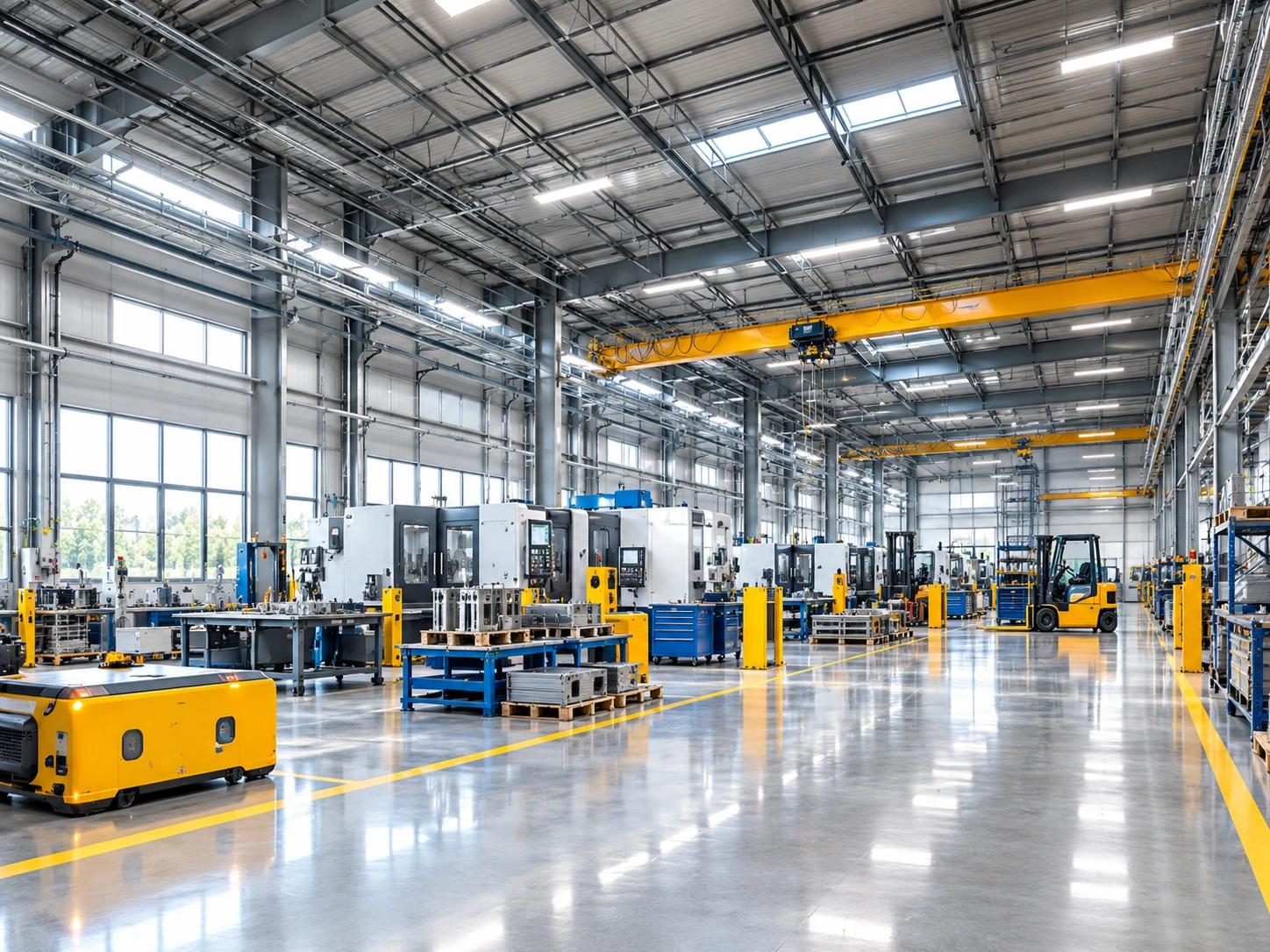
Study ventilation patterns, air movement and localized heat accumulation in suitable manufacturing areas, workshops and industrial spaces.
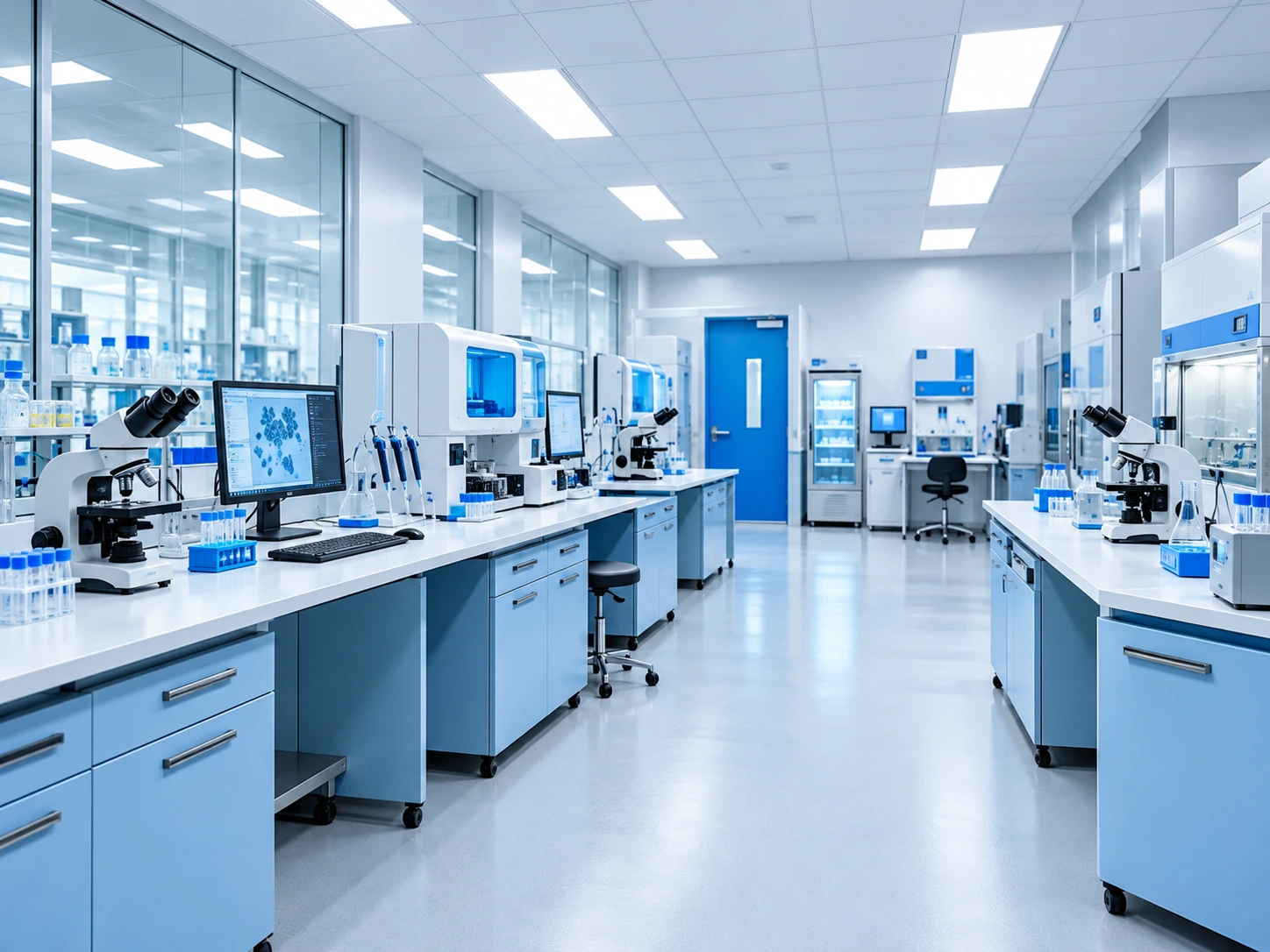
Investigate airflow paths and ventilation arrangements in laboratories and other environments with specific air-distribution requirements. Specialized contaminant or particle studies require appropriate modelling inputs and a defined scope.

Assess airflow distribution in classrooms, auditoriums, public halls and other large occupied spaces where room geometry and occupancy conditions influence air movement.
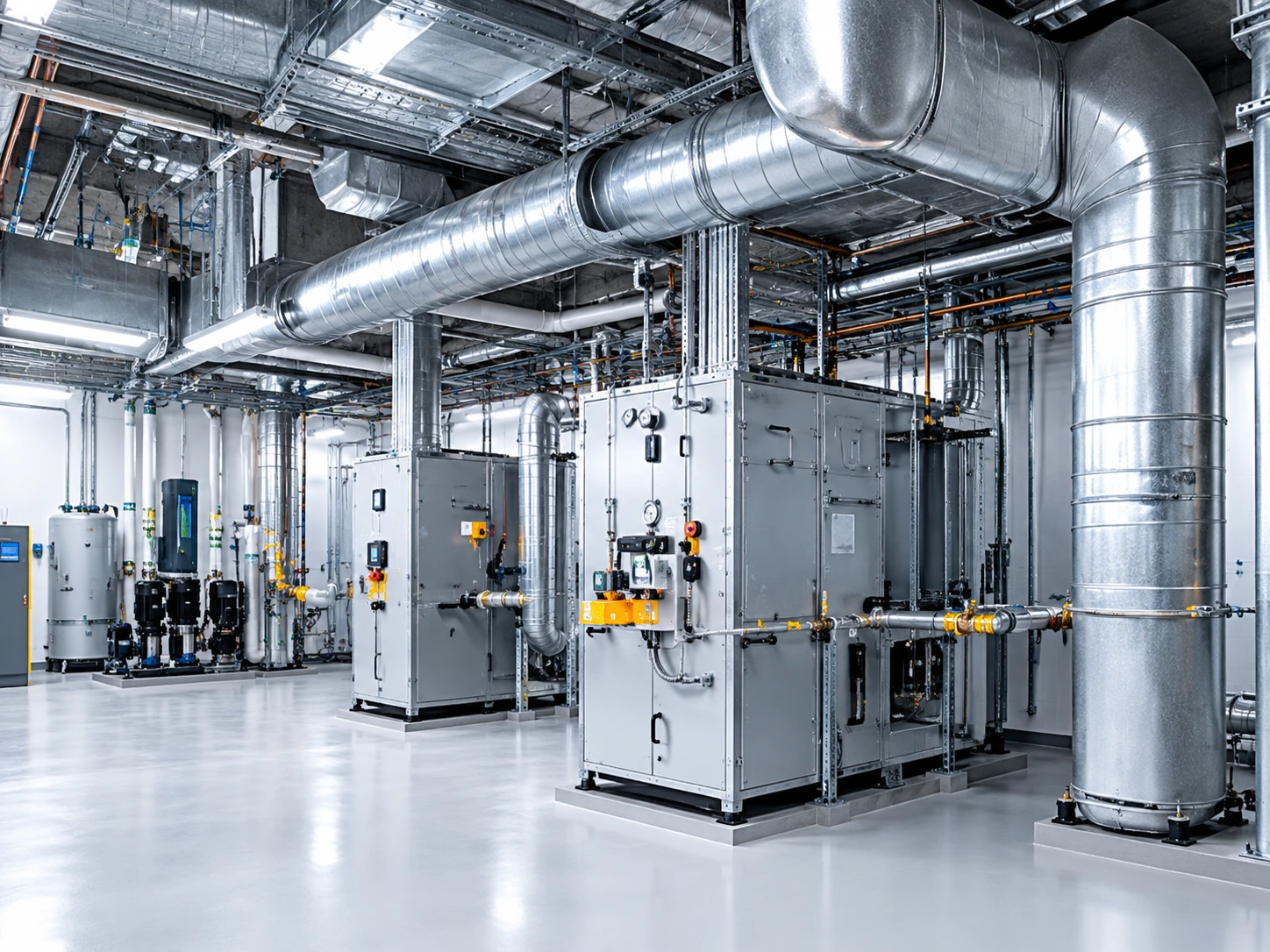
Evaluate airflow and thermal conditions around selected equipment installations and heat-generating systems to investigate potential ventilation or temperature-distribution problems.
Our structured and engineering-focused approach to deliver accurate and meaningful results.
Understand the project objective, the HVAC system, the space being evaluated and the problem that needs investigation. Review available drawings, geometry, operating conditions and relevant performance requirements.
Prepare the available geometry for simulation, preserving the features that influence the airflow and thermal behaviour being studied.
Define relevant airflow rates, temperatures, pressure conditions, heat loads and other model inputs based on the information available for the project.
Evaluate airflow patterns, velocity distribution, pressure and temperature behaviour using an approach appropriate to the engineering objective.
Interpret the results against the project requirements and document relevant findings, comparisons and potential design improvements.
Depending on the agreed scope, deliverables may include:
The final deliverables depend on the project objective, available technical inputs and agreed simulation scope.

CFD provides spatial information about airflow and temperature patterns that may not be visible from overall system calculations alone.

Compare selected configurations under defined operating conditions to investigate potential improvements before implementing changes.

Examine specific areas of concern, including uneven air distribution, temperature variations and airflow restrictions.

Use model visualizations and documented findings to inform design reviews, troubleshooting and further validation where required.
Find answers to common questions about our HVAC CFD simulation services.
HVAC CFD simulation services use computational fluid dynamics to model airflow, pressure and temperature distribution in HVAC systems and building environments. They help engineers investigate ventilation behaviour and evaluate design configurations.
Building airflow simulation models the movement of air through a defined indoor space. It can help evaluate air distribution, recirculation and localized airflow patterns under specified conditions.
Yes. CFD can be used to investigate flow behaviour and pressure variations in selected duct geometries, including bends and junctions, when the required geometry and operating inputs are available.
CFD can predict temperature distribution when the model accounts for relevant airflow, thermal loads and boundary conditions. Results can help identify regions that require further engineering investigation.
Typical inputs include room or duct geometry, HVAC layouts, airflow rates, supply-air temperatures, heat loads and the engineering objective. Additional data may be required for specialized studies.
Not universally. CFD provides model-based predictions that can support design decisions, but physical measurements or testing may still be required to validate results or confirm actual operating performance.
Automotive HVAC and vehicle thermal management are addressed through our dedicated Vehicle Thermal Management & HVAC offering. This page focuses on building and industrial HVAC airflow and ventilation applications.
Planning a new ventilation layout or investigating an airflow or temperature-distribution problem?
Share your engineering requirements and available technical information with Experiqs to discuss a suitable CFD simulation approach for your building or industrial HVAC application.
Partner with Experiqs to transform complex ideas into validated, industry-ready engineering solutions
Discover how to partner with Experiqs and get started quickly
Whether you’re exploring a new R&D initiative, seeking advanced simulations, planning experimental validation, or evaluating product feasibility—our experts are ready to assist you.