
More results...
More results...
Industrial combustion systems and chemical processes generate gaseous emissions that can affect environmental performance, regulatory compliance, and operational efficiency. The formation and dispersion of pollutants such as nitrogen oxides (NOx), carbon monoxide (CO), carbon dioxide (CO₂), sulfur oxides (SOx), and particulate matter depend on combustion conditions, fuel properties, and process design. Emission Simulation enables engineers to evaluate these emissions before product development, plant commissioning, or process optimization.
At Experiqs, we perform Emission Simulations to analyze pollutant formation, transport, dispersion, and emission characteristics under realistic operating conditions. These simulations help engineers optimize combustion systems, reduce environmental impact, improve process efficiency, and support compliance with applicable emission standards across a wide range of industries.
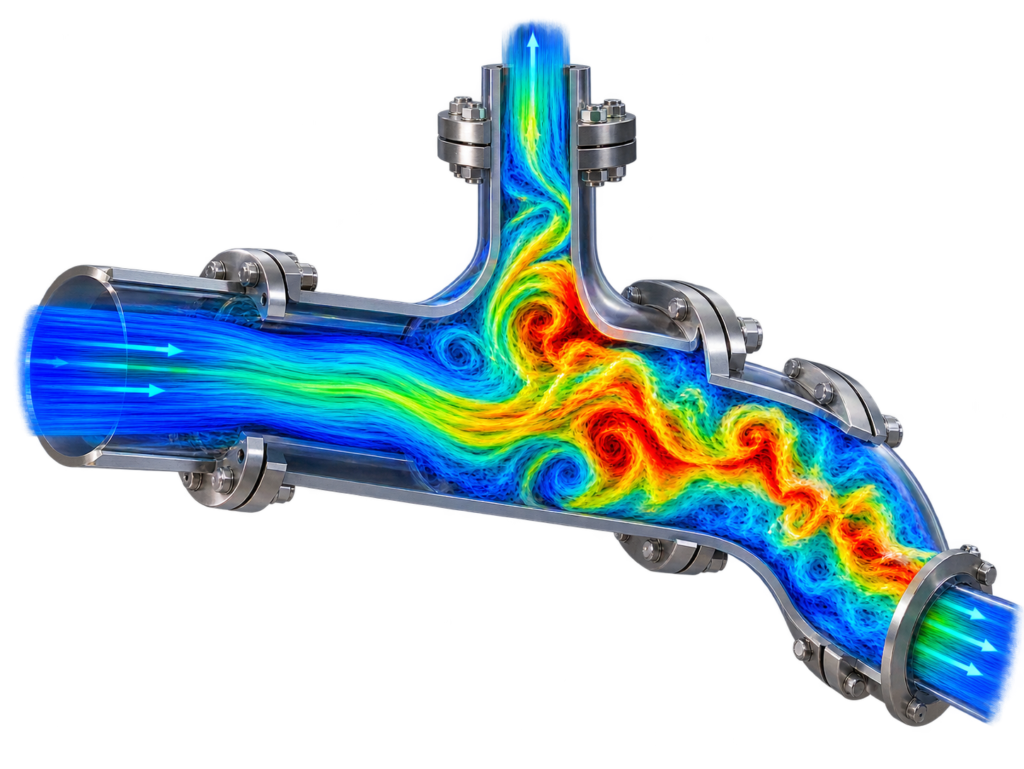
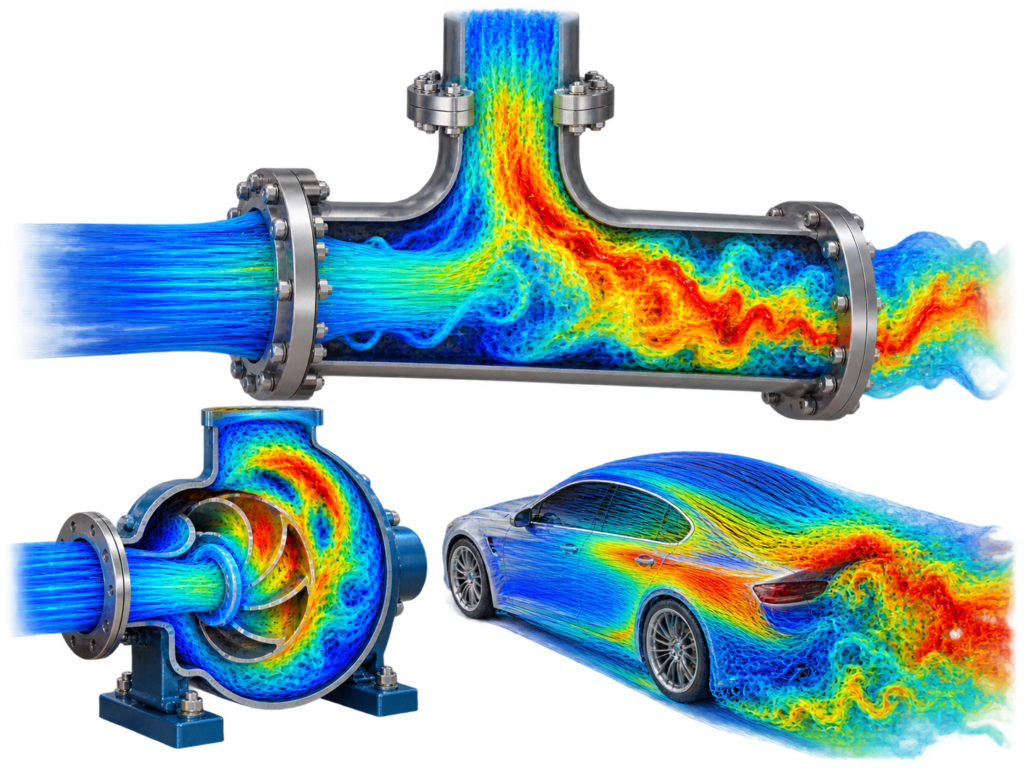
Meeting increasingly stringent environmental regulations requires a thorough understanding of how operating conditions influence emission formation. Poor combustion performance, improper air–fuel mixing, or inefficient process design can increase pollutant emissions while reducing overall system efficiency.
Emission Simulation enables engineers to evaluate emission behaviour during the design stage. By predicting pollutant generation and transport under different operating conditions, engineering teams can optimize process parameters, improve combustion efficiency, minimize emissions, and reduce the need for extensive experimental testing.
Our emission simulation capabilities support the evaluation of pollutant formation and transport across combustion systems and industrial processes. These analyses help engineers investigate emission characteristics, assess environmental performance, optimize process conditions, and validate engineering designs before implementation.
Emission Simulations are widely applied across power generation facilities, industrial furnaces, boilers, gas turbines, internal combustion engines, chemical processing plants, waste-to-energy systems, cement manufacturing, hydrogen combustion systems, and industrial heating equipment where emission control is critical for environmental compliance and operational efficiency.
Depending on project requirements, clients may receive:
Whether you’re reducing industrial emissions, optimizing combustion performance, improving environmental compliance, or validating emission control strategies, our engineers can help identify the appropriate emission simulation approach for your application.
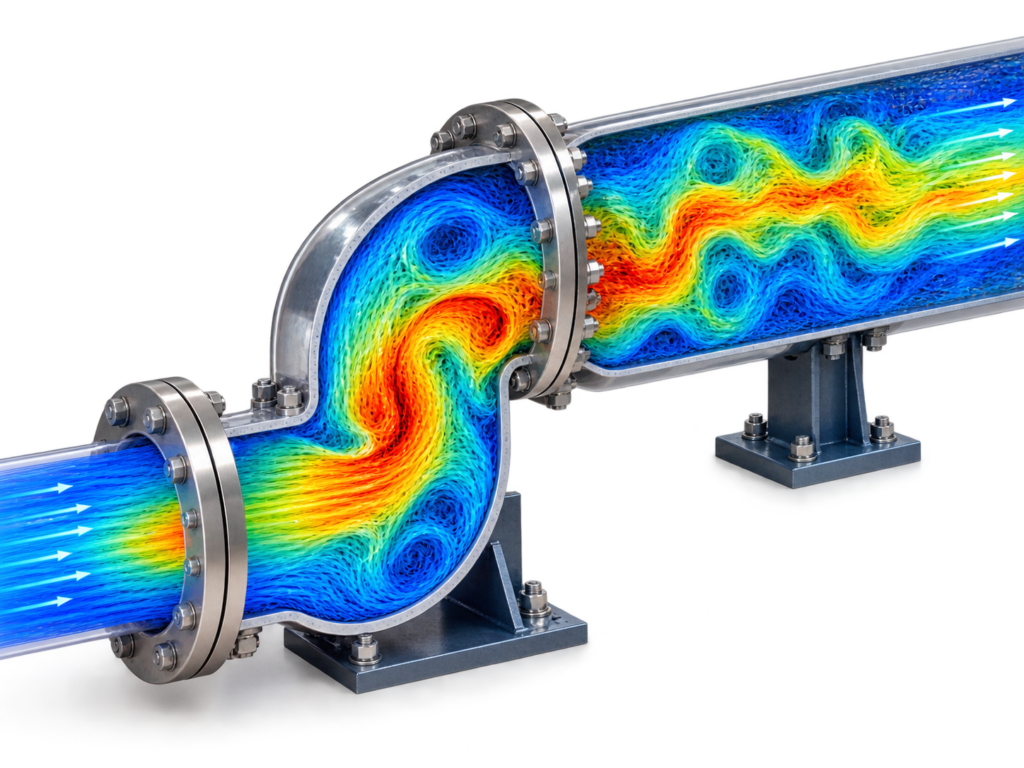
Partner with Experiqs to transform complex ideas into validated, industry-ready engineering solutions
Discover how to partner with Experiqs and get started quickly
Whether you’re exploring a new R&D initiative, seeking advanced simulations, planning experimental validation, or evaluating product feasibility—our experts are ready to assist you.
Whether you’re exploring a new R&D initiative, seeking advanced simulations, planning experimental validation, or evaluating product feasibility—our experts are ready to assist you.
