
More results...
More results...
Cavitation occurs when the local pressure within a flowing liquid fall below its vapor pressure, causing vapor bubbles to form and collapse rapidly. The collapse of these bubbles generates localized shock waves that can erode material surfaces, increase vibration and noise, reduce hydraulic efficiency, and shorten the service life of critical equipment. Cavitation Simulation enables engineers to identify and mitigate these issues before manufacturing, installation, or field operation.
At Experiqs, we perform Cavitation Simulations using Computational Fluid Dynamics (CFD) to analyze pressure distribution, vapor formation, bubble dynamics, and cavitation-prone regions within fluid systems. These simulations support equipment design, hydraulic optimization, engineering validation, and failure prevention across industries where reliable fluid handling is essential.
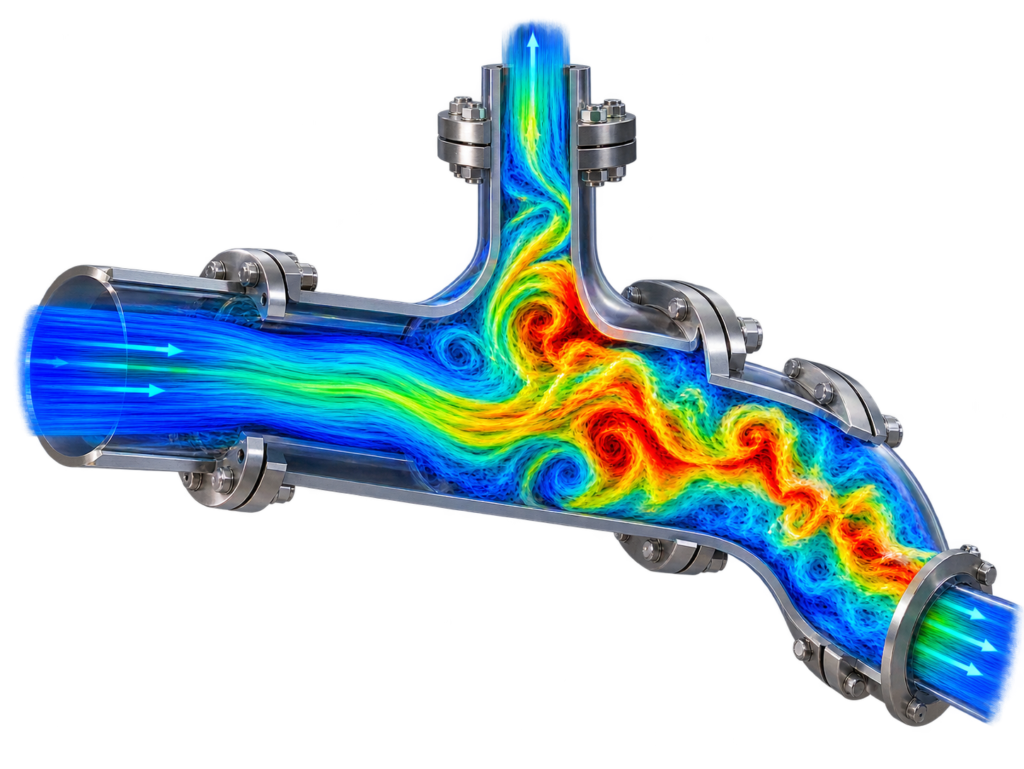
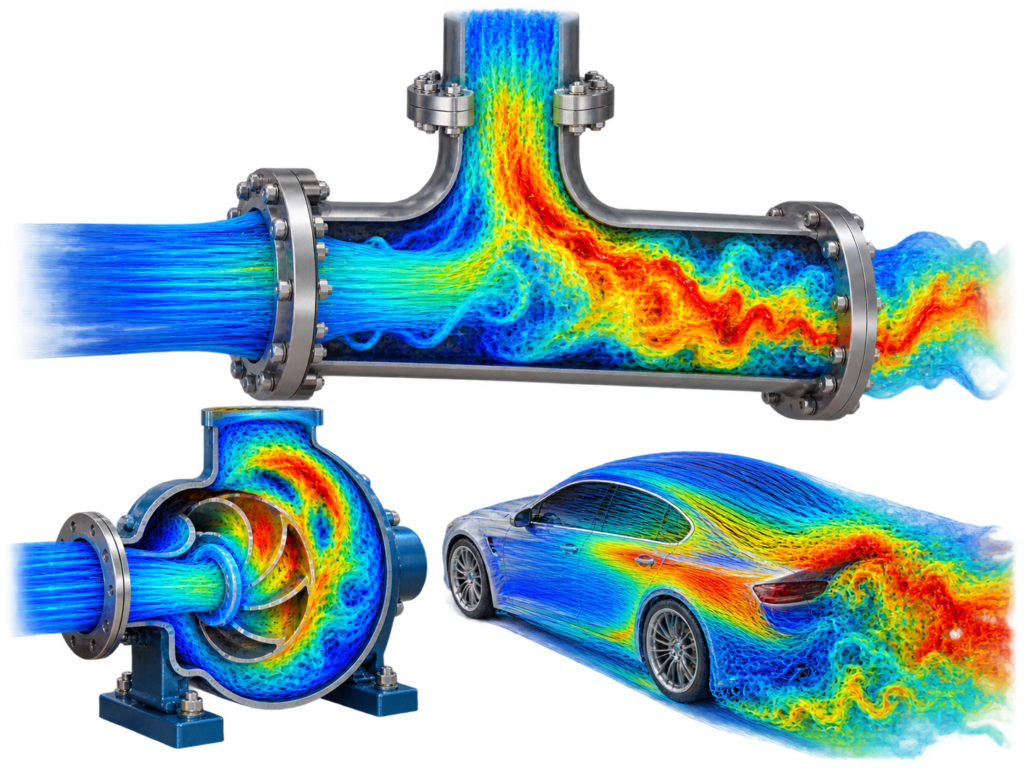
Cavitation is a common challenge in pumps, turbines, valves, marine propellers, injectors, and other hydraulic systems operating under varying pressure conditions. If left unaddressed, it can lead to surface erosion, reduced equipment efficiency, increased maintenance costs, and unexpected operational failures.
Cavitation Simulation enables engineers to predict cavitation during the design stage by evaluating pressure variations and fluid behaviour under realistic operating conditions. This allows design teams to improve hydraulic performance, optimize component geometry, minimize cavitation risks, and enhance equipment reliability before physical testing.
Our cavitation simulation capabilities help engineers evaluate vapor formation, bubble collapse, and their impact on hydraulic system performance. These analyses support equipment optimization, durability assessment, and engineering validation across a wide range of fluid handling applications.
Cavitation simulations are widely applied across centrifugal pumps, hydraulic turbines, marine propellers, fuel injection systems, valves, hydroelectric plants, desalination systems, oil & gas facilities, chemical processing plants, and industrial fluid handling equipment where cavitation directly affects efficiency, durability, and operational reliability.
Depending on project requirements, clients may receive:
Whether you’re evaluating cavitation risks, improving hydraulic performance, optimizing rotating equipment, or validating fluid systems under demanding operating conditions, our engineers can help identify the appropriate simulation approach for your application.
Partner with Experiqs to transform complex ideas into validated, industry-ready engineering solutions
Discover how to partner with Experiqs and get started quickly
Whether you’re exploring a new R&D initiative, seeking advanced simulations, planning experimental validation, or evaluating product feasibility—our experts are ready to assist you.
Whether you’re exploring a new R&D initiative, seeking advanced simulations, planning experimental validation, or evaluating product feasibility—our experts are ready to assist you.
