
More results...
More results...
AI-enabled robotic systems rely on machine learning models for perception, decision-making, anomaly detection, predictive maintenance, adaptive control, navigation support, object recognition, motion planning, and performance monitoring. These models must perform reliably across changing environments, sensor conditions, operating loads, edge cases, and real-world deployment scenarios.
AI/ML Model Support for Robotics helps robotics teams improve model accuracy, robustness, reliability, and deployment readiness. By evaluating model performance, identifying training data gaps, testing edge cases, monitoring drift, and supporting predictive intelligence workflows, Experiqs helps improve AI-enabled robotic behaviour under practical operating conditions.
Experiqs provides AI/ML Model Support for Robotics for autonomous robots, mobile robots, AMRs, AGVs, inspection robots, service robots, industrial robotic systems, robotic monitoring platforms, and sensor-driven automation systems. We support model performance evaluation, training data strategy, anomaly detection, predictive maintenance, adaptive control support, model drift monitoring, and robotics AI validation.
Robotics AI models often perform well in controlled testing but face challenges during real-world operation. Lighting changes, sensor noise, terrain variation, payload changes, occlusion, vibration, dust, temperature changes, human interaction, and rare edge cases can affect model reliability.
A perception model may fail under poor visibility. An anomaly detection model may miss early degradation signals. A predictive maintenance model may not generalize across different duty cycles. A control-support model may behave differently when payload, friction, or terrain changes. If these risks are not identified early, robotic systems may face unreliable operation, false alarms, unsafe decisions, poor uptime, or reduced customer confidence.
Training data quality is also critical. Missing scenarios, biased datasets, poor labeling, limited edge case coverage, and lack of real operating data can reduce model performance after deployment.
Experiqs helps robotics teams combine AI/ML development with engineering understanding. We help evaluate where models fail, what data is missing, how real operating conditions affect predictions, and how model performance can be improved before and after deployment.
We assess AI/ML model accuracy, robustness, bias, drift, and failure cases across robotic operating scenarios.
Our analysis helps evaluate:
This helps identify where models work reliably and where improvement is required.
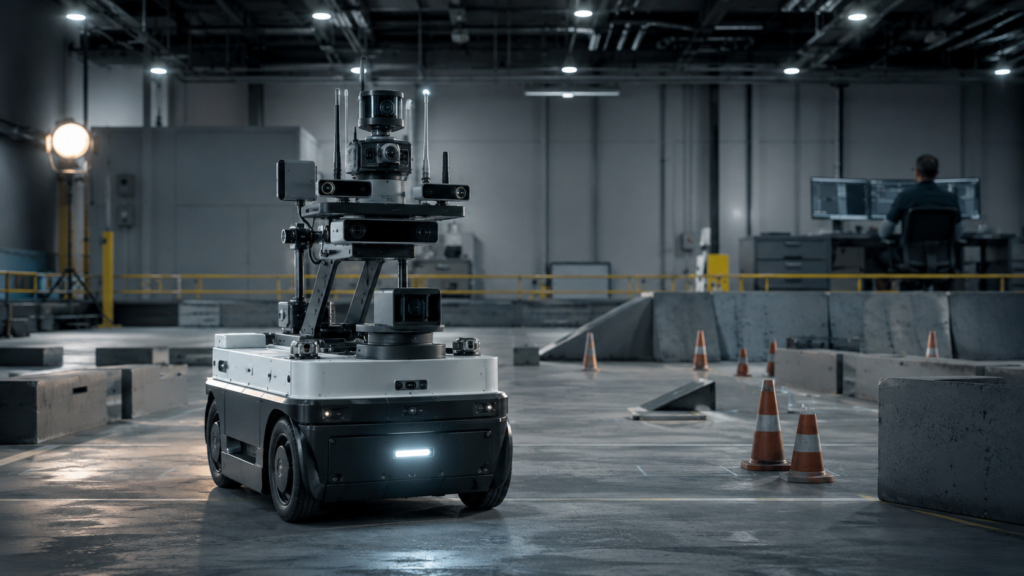
We identify data gaps, edge cases, and scenario coverage needs for better model performance.
Experiqs helps evaluate:
This helps improve model generalization and reduce performance loss after deployment.
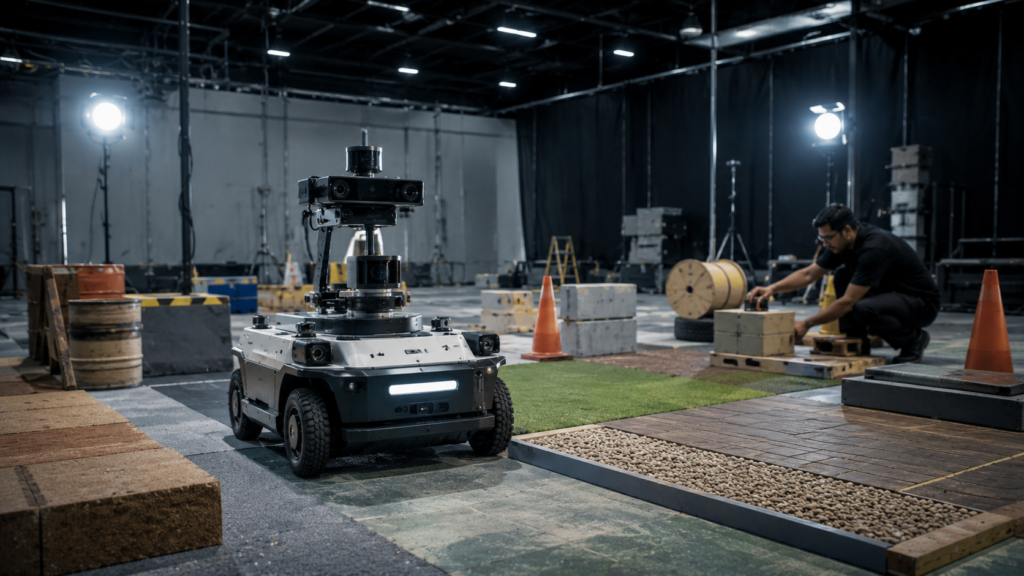
We support anomaly detection, predictive maintenance, adaptive control, and performance monitoring for robotic systems.
We help develop and validate:
This helps improve robotic uptime, reliability, and operational intelligence.
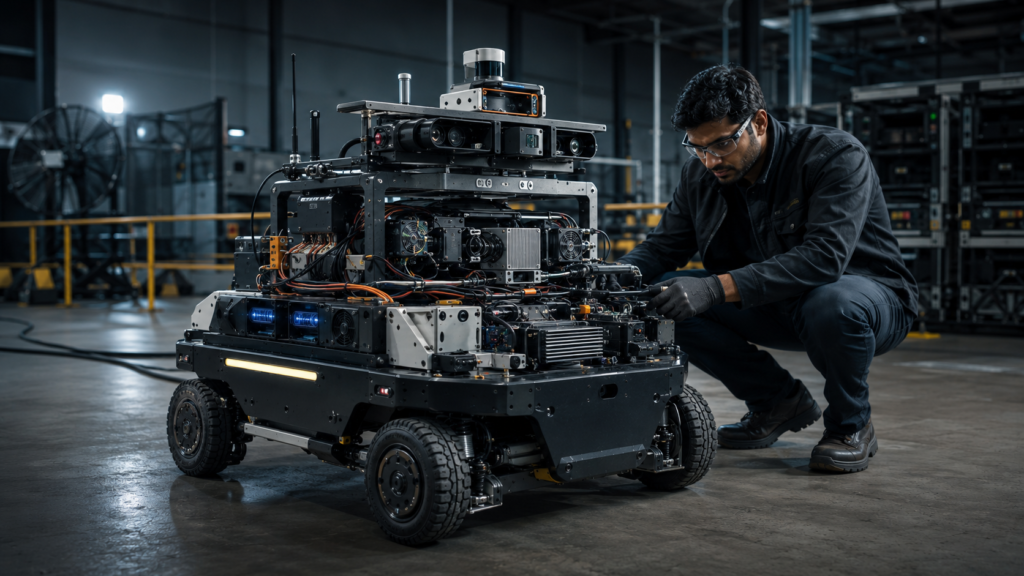
AI models can lose effectiveness when operating conditions change after deployment.
We help monitor:
This helps maintain model reliability during long-term robotic operation.
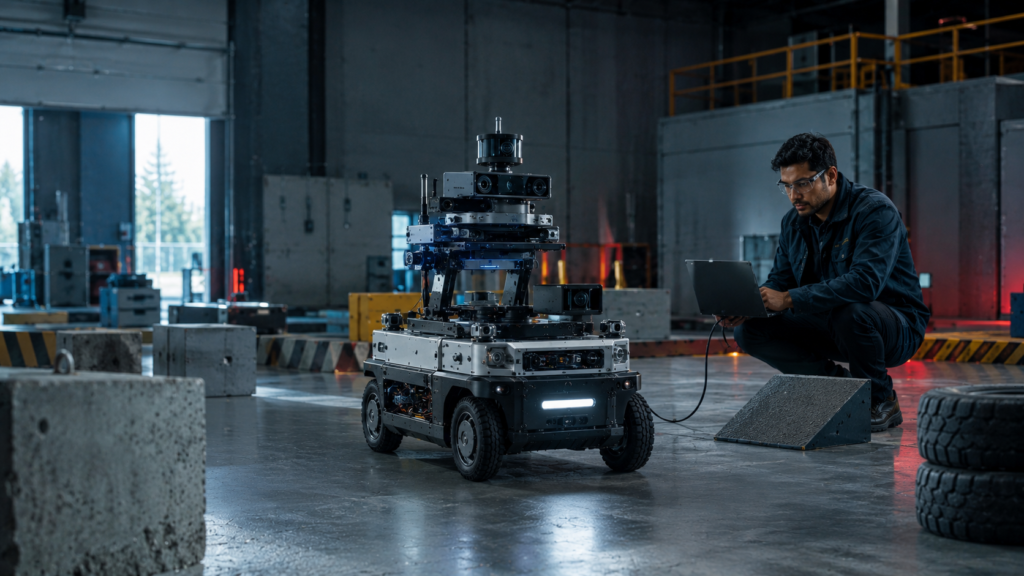
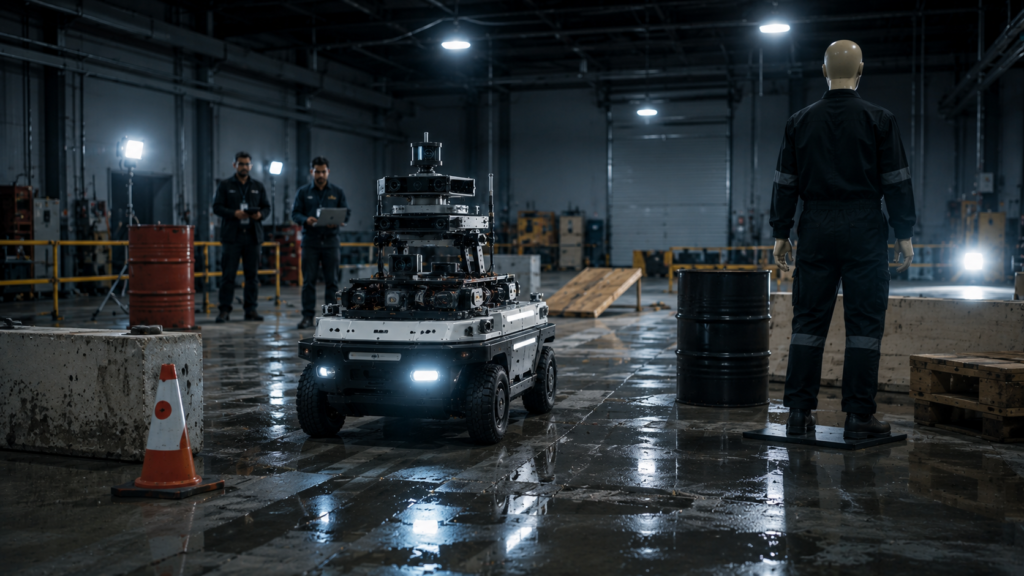
Robots must be validated against rare but important scenarios that may affect safety, reliability, or mission success.
We help test:
This helps improve confidence before real-world deployment.
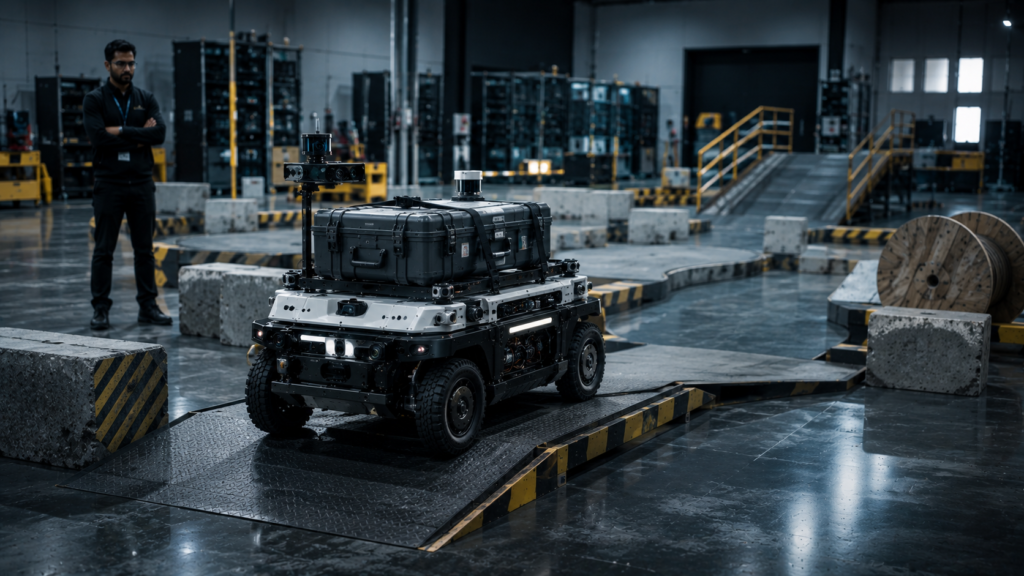
AI/ML models can support better robotic control, navigation, energy use, and mission performance when validated properly.
We support model development for:
This helps improve robotic efficiency and decision-making under changing conditions.
Experiqs helps robotics and autonomous system teams address AI/ML model challenges, including:
Evaluate AI/ML models across realistic operating conditions, sensor inputs, and deployment scenarios.
Identify missing data, weak scenario coverage, and edge cases that affect model performance.
Develop anomaly detection, predictive maintenance, adaptive control, and performance monitoring capabilities.
Identify model failure cases, drift risks, and robustness concerns before field deployment.
Monitor model drift, prediction stability, and retraining needs during real-world operation.
Use engineering-aware validation to improve model performance and reduce trial-and-error development.
Experiqs combines AI/ML development, robotics engineering, simulation-led validation, sensor data analysis, predictive modelling, and system-level engineering to support reliable AI-enabled robotics.
Our strength lies in connecting machine learning models with real engineering behaviour. We help clients understand how sensors, environment, mechanical loads, operating conditions, and mission profiles affect AI model performance.
By validating AI/ML models with engineering context, Experiqs helps robotics teams improve robustness, reduce deployment uncertainty, strengthen predictive intelligence, and build more reliable autonomous systems.
Evaluate model performance, identify training data gaps, monitor drift, test edge cases, and improve predictive intelligence with Experiqs’ AI/ML Model Support for Robotics services.
Talk to our experts to evaluate your robotics AI workflow and identify practical opportunities for stronger accuracy, reliability, and deployment readiness.
Partner with Experiqs to transform complex ideas into validated, industry-ready engineering solutions
Discover how to partner with Experiqs and get started quickly
Whether you’re exploring a new R&D initiative, seeking advanced simulations, planning experimental validation, or evaluating product feasibility—our experts are ready to assist you.
