
More results...
More results...
Home appliances and consumer durables must remain strong, safe, and reliable during manufacturing, packaging, transportation, installation, and everyday customer use. Components such as casings, hinges, brackets, mounts, frames, handles, panels, covers, doors, moving mechanisms, and internal supports are exposed to loads, vibration, impact, repeated usage, and accidental handling conditions.
Structural Strength, Drop & Impact Analysis helps appliance manufacturers evaluate how product parts respond to mechanical loads, drop events, transport shocks, user handling, vibration, and long-term usage. By using FEA simulation, drop test simulation, impact analysis, fatigue assessment, and durability evaluation, Experiqs helps identify weak regions and improve product robustness before prototype failure or field complaints occur.
Experiqs provides Structural Strength, Drop & Impact Analysis services for home appliance manufacturers, consumer durable brands, product design teams, mechanical component developers, and reliability engineering teams. We support FEA structural analysis, drop and impact simulation, fatigue and life evaluation, casing strength assessment, hinge durability, bracket analysis, mount reliability, and design strengthening for robust appliance development.
Appliances are often exposed to real-world conditions that are difficult to fully capture through basic design calculations. During shipping and handling, products may experience drops, shocks, stacking loads, vibration, and accidental impacts. During daily use, hinges, handles, brackets, mounts, doors, panels, and moving mechanisms may experience repeated loading, wear, misalignment, and fatigue.
A component may look strong under normal static load but may fail during impact, repeated use, transport vibration, or accidental handling. Cracks, deformation, loose mounts, hinge failures, broken brackets, casing damage, panel distortion, and mechanism failures can affect product quality, safety, warranty cost, and customer satisfaction.
For consumer durables, structural reliability is also closely linked to perceived quality. Flexible panels, weak handles, noisy mechanisms, loose brackets, or poor impact resistance can reduce user confidence even if the product remains functional.
Simulation-led structural analysis helps visualize stress distribution, deformation, impact response, weak load paths, fatigue-sensitive locations, and design strengthening opportunities before physical testing. Experiqs helps appliance teams improve durability, reduce warranty risk, and create stronger product designs.
We assess casings, hinges, brackets, mounts, frames, handles, panels, and moving mechanisms under real operating and handling loads.
Our analysis helps evaluate:
This helps identify weak regions and improve component strength before prototype testing.
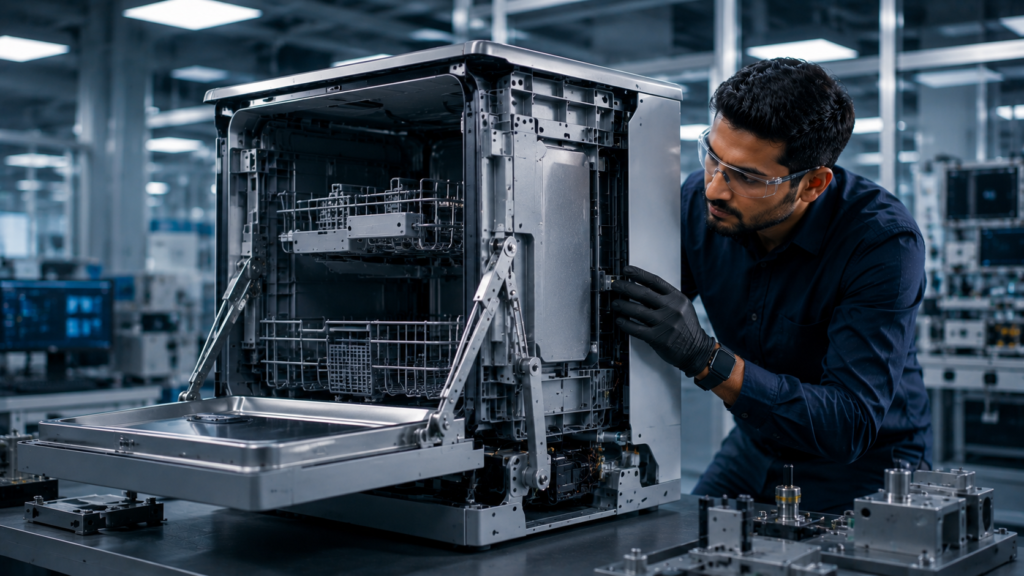
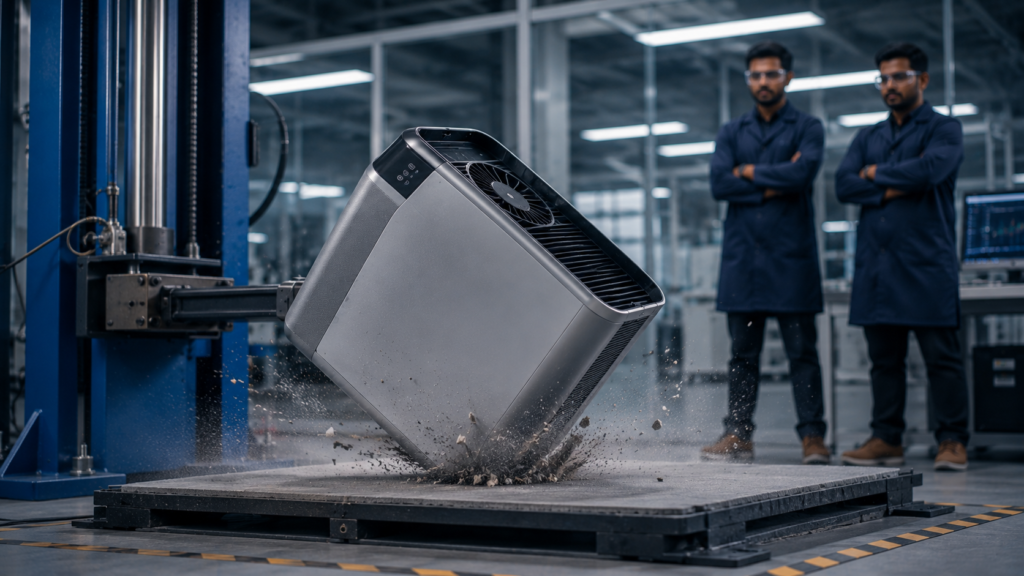
We study impact loads, fall events, transport damage, and accidental handling conditions to improve product robustness.
Experiqs helps analyze:
This helps improve product durability during shipping, installation, and user handling.
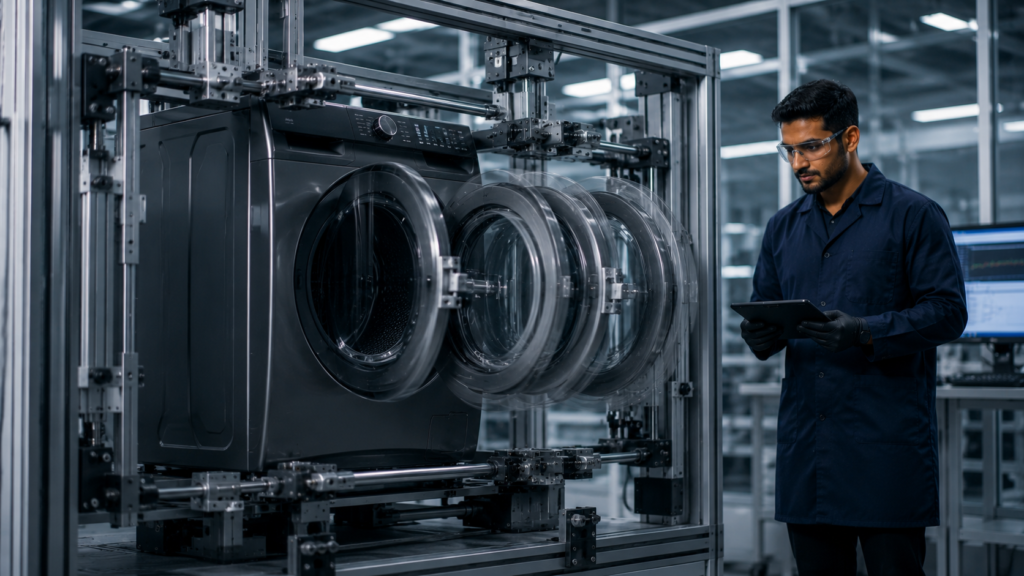
Repeated usage, vibration, cyclic loading, and long-term operation can reduce component life over time.
We help evaluate:
This helps improve product reliability and reduce field failures.
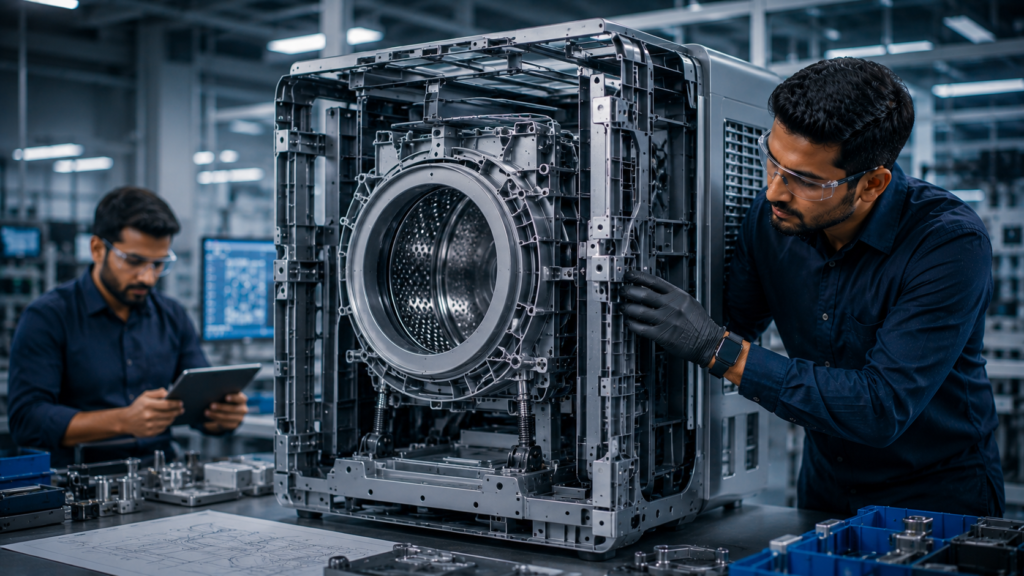
Structural improvement is most effective when strengthening is applied only where required.
We support optimization of:
This helps improve strength without unnecessary weight, cost, or overdesign.
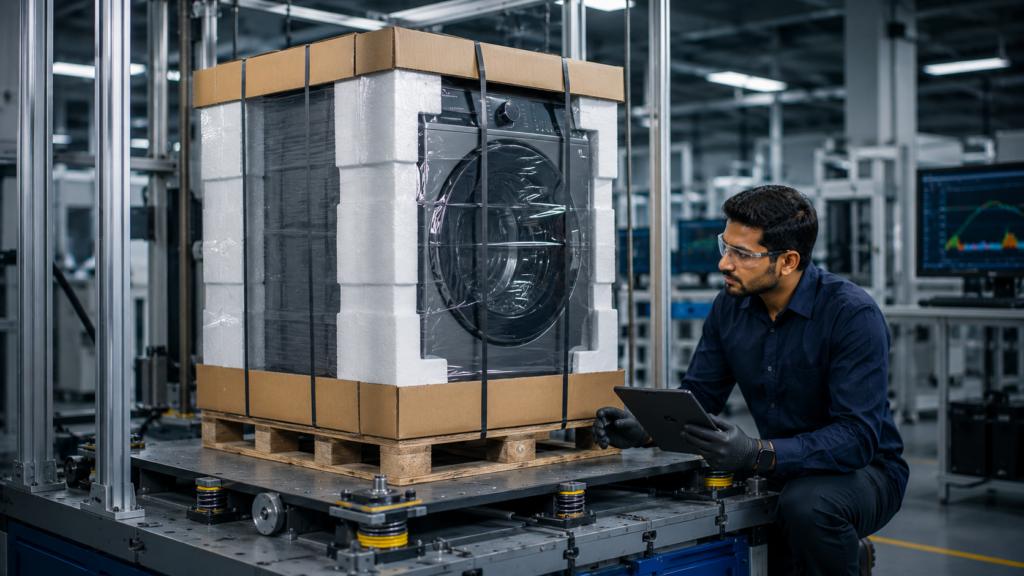
Appliances may face mechanical stress during transportation, stacking, vibration, and handling before reaching the customer.
We help assess:
This helps reduce transit damage and improve delivery reliability.
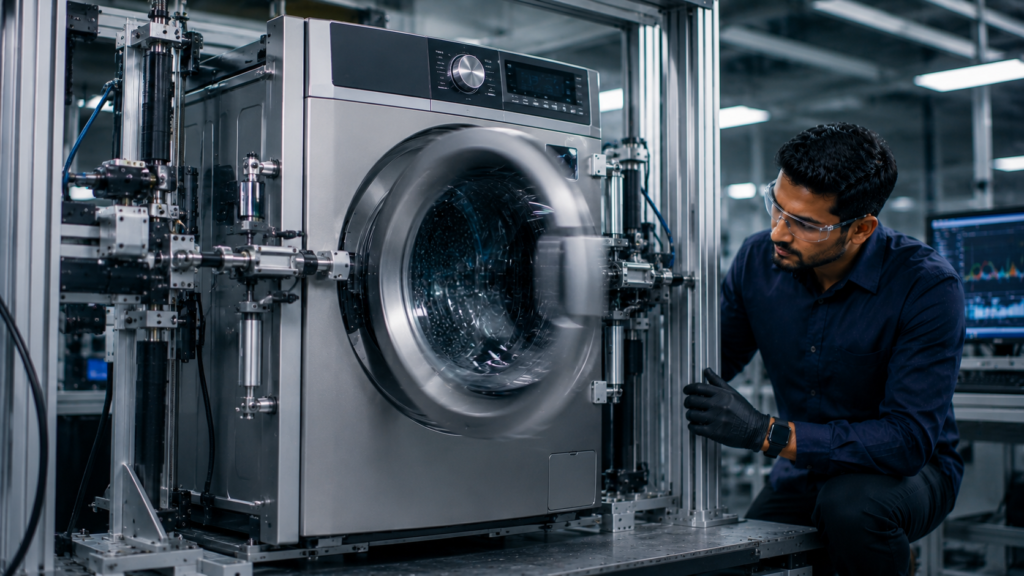
Many appliances include doors, lids, trays, drawers, hinges, handles, rotating parts, and sliding mechanisms that experience repeated user interaction.
We help analyze:
This helps improve usability, durability, and customer experience.
Experiqs helps appliance and consumer durable manufacturers address structural durability challenges, including:
Evaluate appliance parts under real loads, impact events, transport conditions, and repeated usage cycles.
Identify failure-prone regions during drop, shock, and accidental handling scenarios before physical testing.
Improve structural robustness to reduce field failures, transit damage, and customer complaints.
Improve casings, hinges, brackets, mounts, frames, handles, panels, and moving mechanisms for long-term reliability.
Strengthen weak regions without adding unnecessary weight, material, or manufacturing cost.
Use FEA and impact simulation to compare design changes before prototype development and testing.
Experiqs combines FEA simulation, structural engineering, drop and impact analysis, fatigue assessment, vibration evaluation, and product reliability expertise to improve appliance durability.
Our strength lies in identifying structural risks before they appear during testing or customer use. We help clients understand where stress concentration occurs, how impact loads affect the product, why components deform or fail, and which design changes can improve long-term robustness.
By validating structural strength virtually, Experiqs helps appliance manufacturers reduce prototype iterations, improve product reliability, lower warranty risk, and make better design decisions before physical testing.
Evaluate structural strength, drop impact behaviour, fatigue life, transport damage risk, and component durability with Experiqs’ Structural Strength, Drop & Impact Analysis services.
Talk to our experts to assess your appliance design and identify practical opportunities for stronger parts, better robustness, and longer product life.
Partner with Experiqs to transform complex ideas into validated, industry-ready engineering solutions
Discover how to partner with Experiqs and get started quickly
Whether you’re exploring a new R&D initiative, seeking advanced simulations, planning experimental validation, or evaluating product feasibility—our experts are ready to assist you.
