
More results...
More results...
Machining tools directly affect product quality, dimensional accuracy, surface finish, cycle time, scrap rate, and machine availability. As tools wear during operation, manufacturers may experience unstable cutting behaviour, poor surface quality, tool breakage, dimensional variation, excessive vibration, heat generation, and unplanned machine stoppage.
Tool Wear Monitoring helps manufacturers track tool condition, estimate remaining tool life, detect abnormal wear patterns, and plan replacement before tool failure affects production. By using AI/ML models, sensor data, machining signals, and process intelligence, Experiqs helps manufacturing teams reduce downtime, improve quality, and make better maintenance decisions.
Experiqs provides Tool Wear Monitoring services for machining operations, CNC production lines, automotive component manufacturing, precision manufacturing, metal cutting, drilling, milling, turning, grinding, and high-volume production environments. We use AI-based monitoring, tool health estimation, abnormal wear detection, remaining useful life prediction, machining data analysis, and predictive maintenance models to improve tool reliability and production stability.
Tool wear is one of the most common causes of machining quality problems and unplanned production interruptions. If a tool is replaced too early, manufacturing cost increases due to underused tool life. If a tool is replaced too late, it can cause poor part quality, machine stoppage, tool breakage, rework, scrap, and damage to the workpiece or fixture.
Traditional tool replacement schedules are often based on fixed cycle counts or operator experience. However, actual tool wear depends on cutting speed, feed rate, material hardness, coolant condition, tool geometry, machining load, vibration, temperature, and process variation. This means the same tool may wear differently under different production conditions.
AI-based tool wear monitoring helps detect changes in machining behaviour before failure occurs. By analyzing signals such as vibration, spindle load, acoustic data, current, torque, temperature, cutting force, or production quality data, tool condition can be estimated more intelligently.
Experiqs helps manufacturers move from fixed tool replacement schedules to condition-based monitoring and predictive maintenance, reducing unnecessary tool changes while preventing quality loss and downtime.
We use AI/ML models to estimate tool wear, remaining tool life, and replacement needs based on machining data and operating behaviour.
Our analysis helps assess:
This helps manufacturers plan tool replacement more accurately and reduce unexpected tool failure.
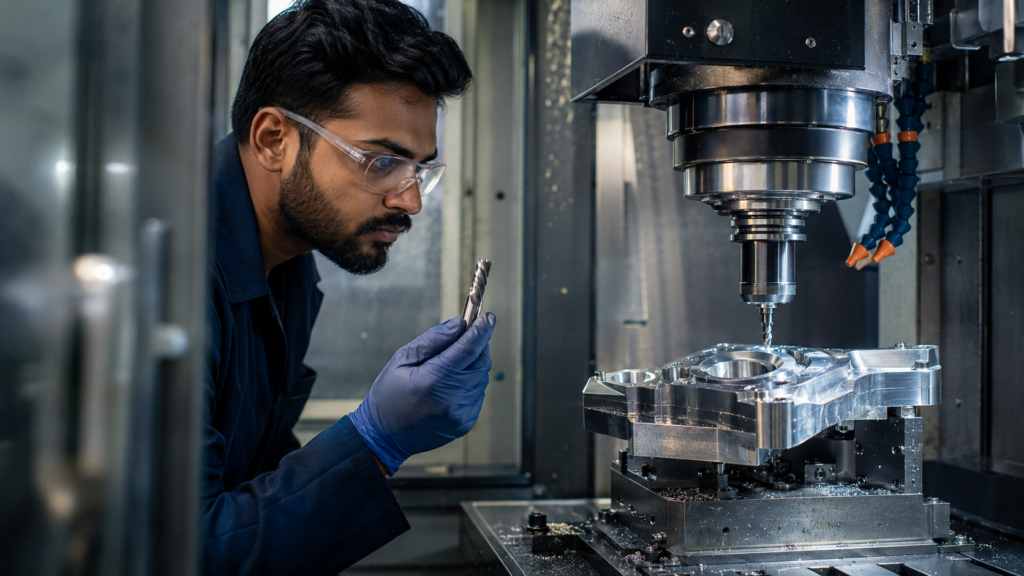
Unusual tool wear can indicate unstable machining, improper cutting conditions, material variation, poor cooling, or tool damage.
Experiqs helps identify:
This helps detect machining issues early before they affect part quality or machine availability.
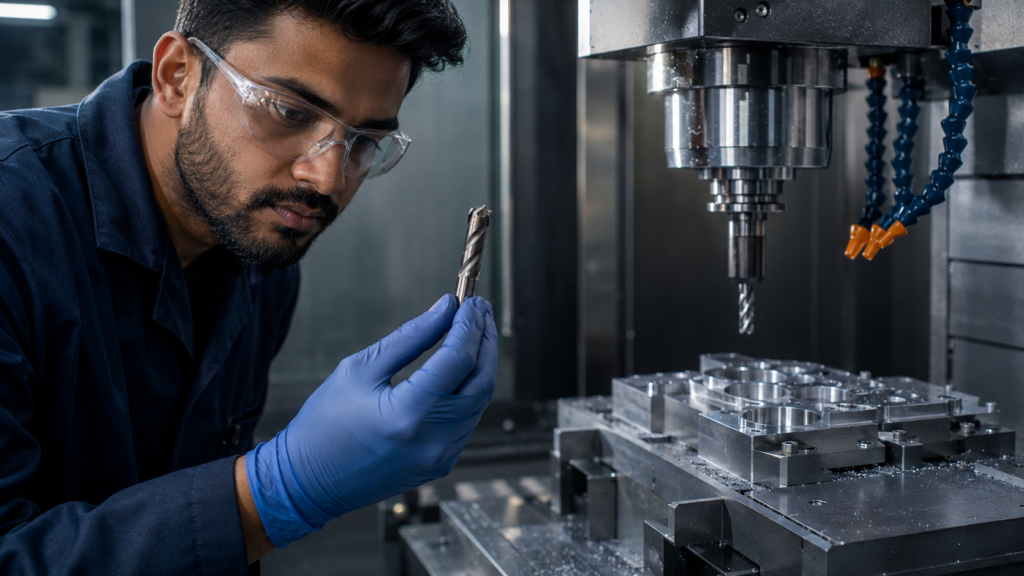
Tool failure can stop machines, delay production, increase scrap, and disrupt delivery schedules.
We support downtime reduction by helping evaluate:
This helps improve production continuity and reduce unplanned machining interruptions.
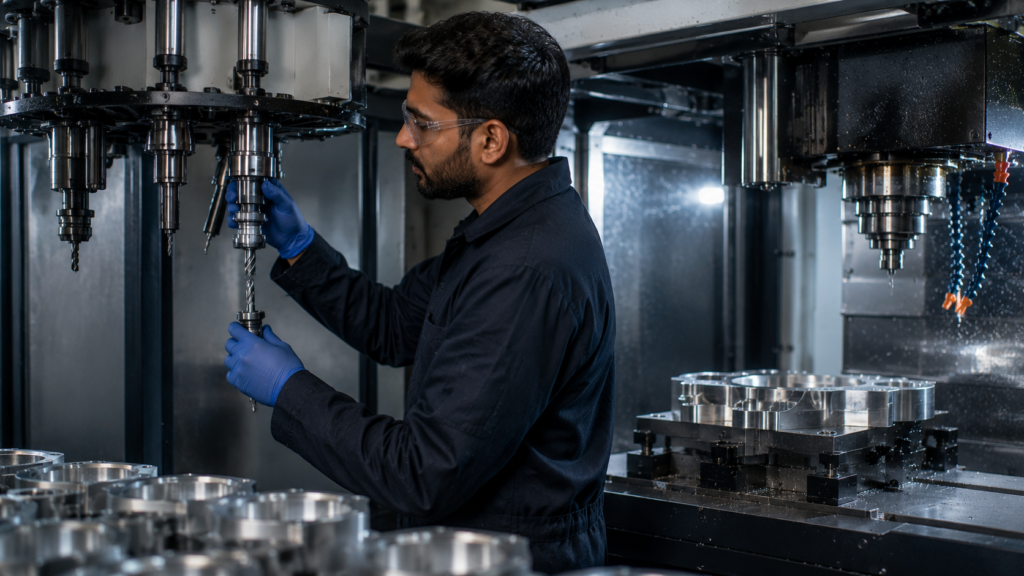
Tool wear can be reflected in machine and process signals during cutting operations.
We help analyze:
This helps convert machining signals into useful tool condition insights.
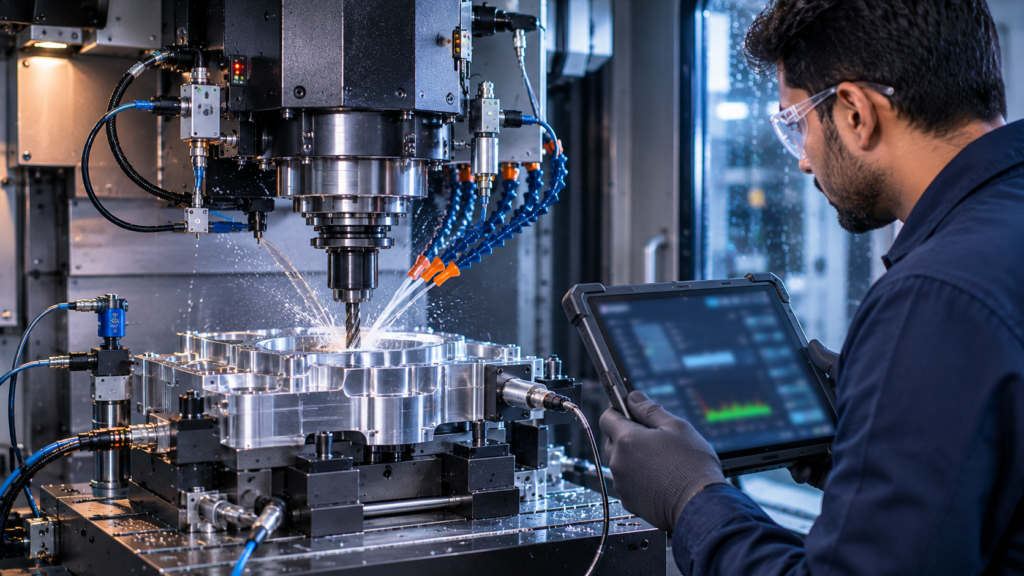
Predictive models help maintenance and production teams identify when action is needed before tool failure occurs.
Experiqs supports:
This helps improve maintenance planning and reduce dependency on fixed tool change intervals.
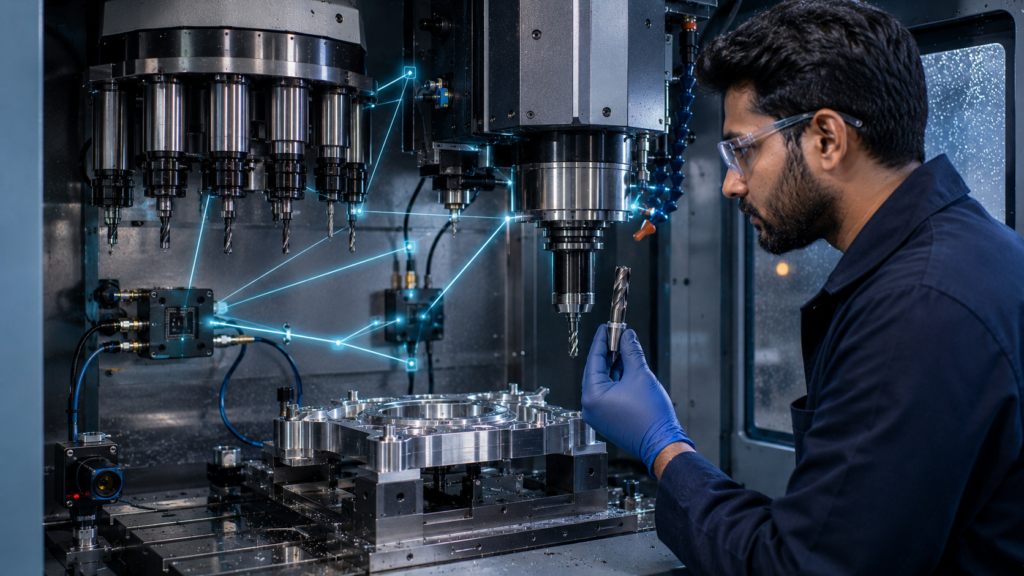
Tool wear directly affects dimensional accuracy, surface finish, burr formation, cutting stability, and product quality.
We help evaluate:
This helps reduce scrap, rework, and quality rejection caused by worn or damaged tools.
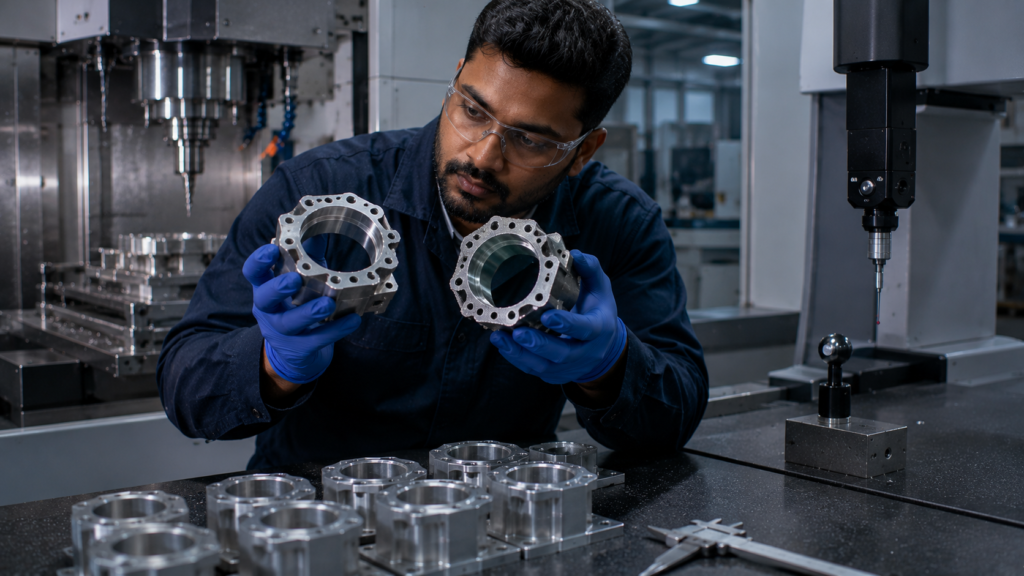
Experiqs helps manufacturers address tool wear and machining reliability challenges, including:
Track tool condition and understand how wear progresses across machining cycles and operating conditions.
Detect tool degradation and failure risk early to avoid sudden machine stoppage.
Avoid unnecessary early tool replacement while preventing late replacement that causes failure or scrap.
Reduce surface finish issues, dimensional variation, burr formation, and quality rejection caused by worn tools.
Use AI-based tool health insights to support predictive and condition-based maintenance planning.
Identify abnormal cutting behaviour, vibration, tool damage, and process drift before they affect production.
Experiqs combines AI/ML development, manufacturing process understanding, machining data analysis, predictive maintenance modelling, and engineering simulation expertise to support smarter tool wear monitoring.
Our strength lies in connecting machine data with real manufacturing behaviour. We help clients understand how tool wear affects quality, when replacement is needed, and how abnormal wear patterns can be detected before they cause downtime or scrap.
By developing AI-based monitoring and predictive maintenance models, Experiqs helps manufacturers improve tool utilization, reduce production risk, lower maintenance cost, and make better machining decisions.
Monitor tool health, detect abnormal wear, predict remaining tool life, and reduce unplanned machining issues with Experiqs’ Tool Wear Monitoring services.
Talk to our experts to evaluate your machining process and identify practical opportunities for better tool life visibility, lower scrap, reduced downtime, and smarter maintenance planning.
Partner with Experiqs to transform complex ideas into validated, industry-ready engineering solutions
Discover how to partner with Experiqs and get started quickly
Whether you’re exploring a new R&D initiative, seeking advanced simulations, planning experimental validation, or evaluating product feasibility—our experts are ready to assist you.
