
More results...
More results...
Data centers and mission-critical facilities depend on high-capacity cooling, power, ventilation, and mechanical systems that can generate significant noise. Chillers, cooling towers, dry coolers, generators, transformers, pumps, fans, AHUs, PAHUs, and ventilation equipment can create sound and vibration impacts that affect nearby communities, building occupants, service areas, and operating personnel.
Noise control must be carefully engineered because acoustic barriers, silencers, louvers, enclosures, and screening systems can also restrict airflow and reduce cooling performance if not designed properly.
Experiqs provides simulation-driven Noise Reduction & Acoustic Analysis services using acoustic modelling, FEA, BEM, vibration assessment, CFD airflow evaluation, and engineering optimization. We help data center operators, consultants, EPC teams, facility owners, and designers reduce noise impact while maintaining ventilation, cooling, and equipment reliability.
Noise from critical infrastructure can affect regulatory compliance, site approvals, employee comfort, nearby buildings, and community acceptance. At the same time, many noise control measures can introduce pressure loss, airflow blockage, heat recirculation, or ventilation imbalance.
For data centers and critical facilities, acoustic design cannot be separated from thermal and airflow performance. A noise barrier that reduces sound but traps hot air around chillers or generators can create a new operational risk.
Experiqs helps teams move from isolated acoustic treatment to integrated noise and airflow optimization by simulating sound propagation, vibration behavior, equipment noise levels, airflow paths, cooling impact, and barrier effectiveness.
We perform advanced acoustic simulations to predict how noise travels from equipment and infrastructure to surrounding areas.
Our acoustic simulation helps assess:
This helps teams understand where noise is generated, how it spreads, and which control measures will be most effective.
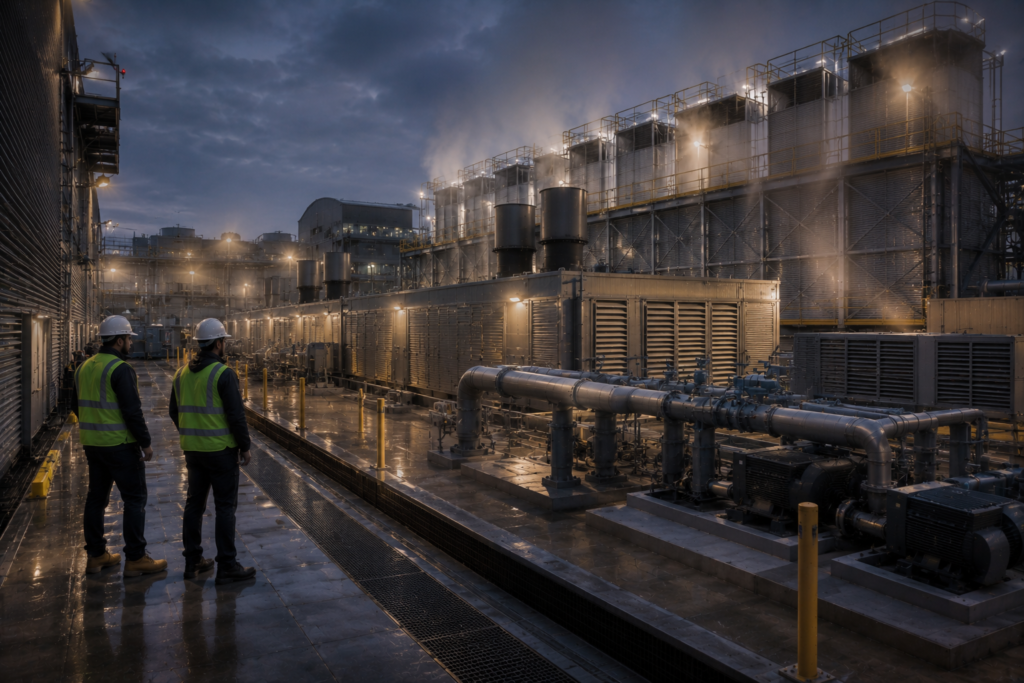
Experiqs uses simulation methods such as Finite Element Analysis and Boundary Element Method to evaluate noise and vibration behavior in complex systems.
We analyze:
This supports better design of acoustic enclosures, equipment casings, barriers, and vibration control strategies.
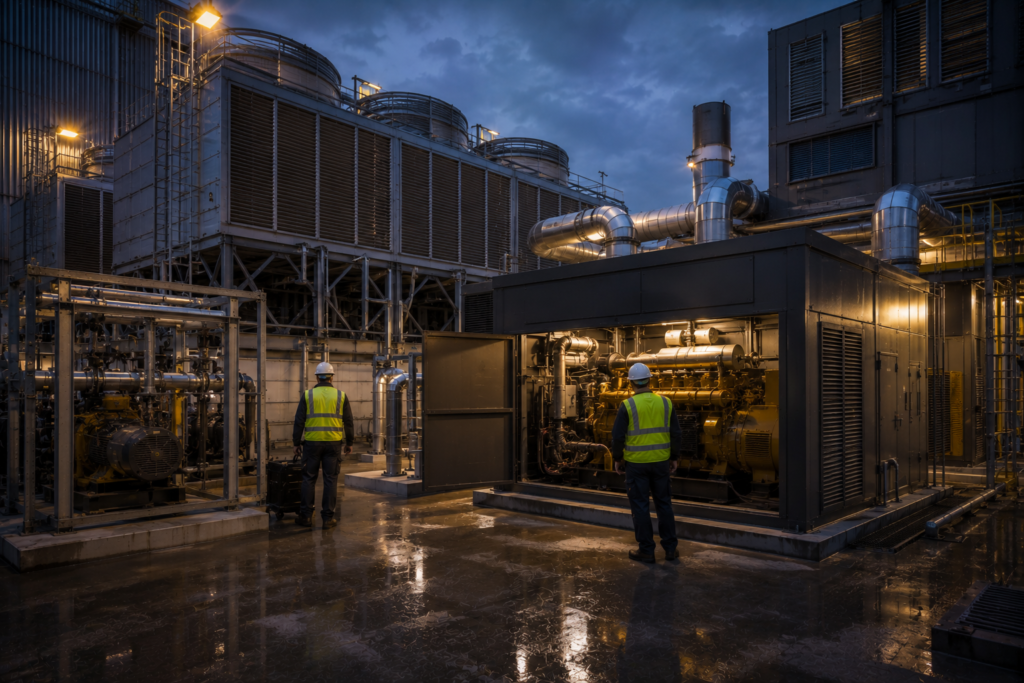
Noise mapping helps visualize high-noise zones and evaluate whether facility noise levels meet project or regulatory requirements.
We help assess:
The outcome is a clear understanding of acoustic risk areas and practical steps to reduce noise impact.
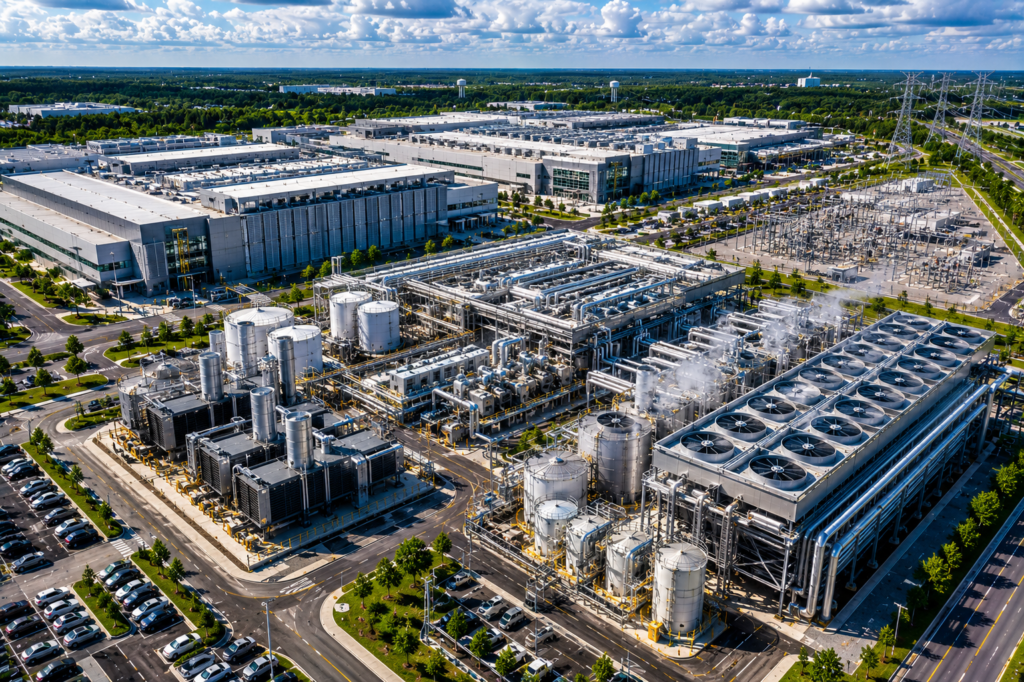
Noise barriers must be designed to reduce sound while avoiding negative impact on ventilation and cooling airflow. Experiqs supports acoustic barrier design and validation using integrated acoustic and airflow analysis.
We evaluate and optimize:
This helps reduce noise without compromising equipment cooling, ventilation, or operational reliability.
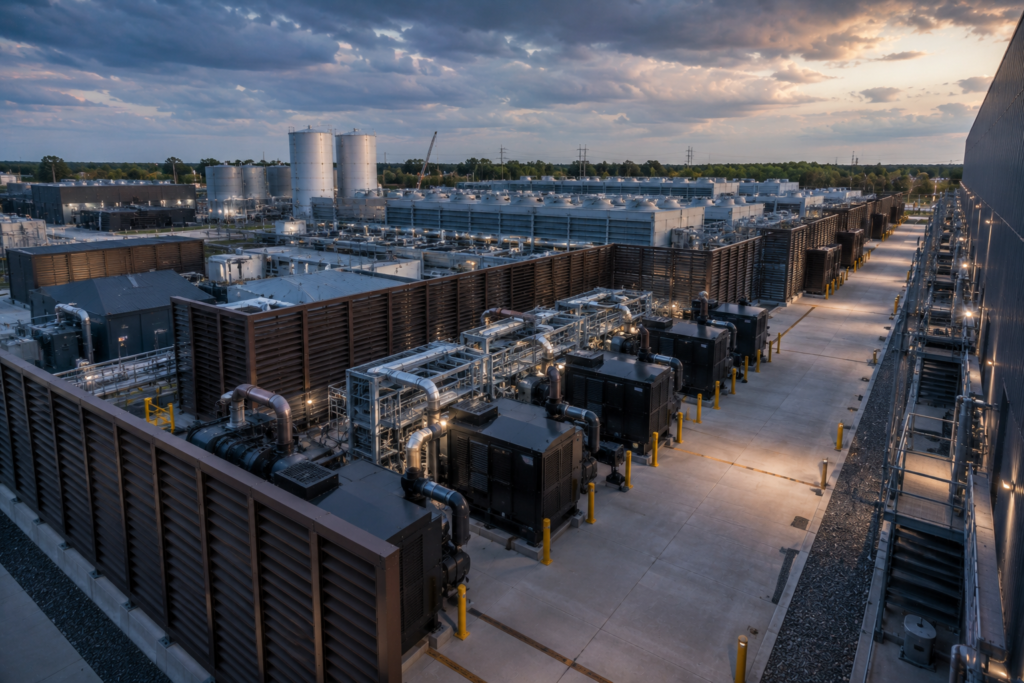
Critical infrastructure equipment can generate both airborne noise and structure-borne vibration. Experiqs evaluates equipment-level noise and vibration behavior to identify root causes and improvement options.
We assess:
This helps identify priority sources and develop targeted mitigation strategies.
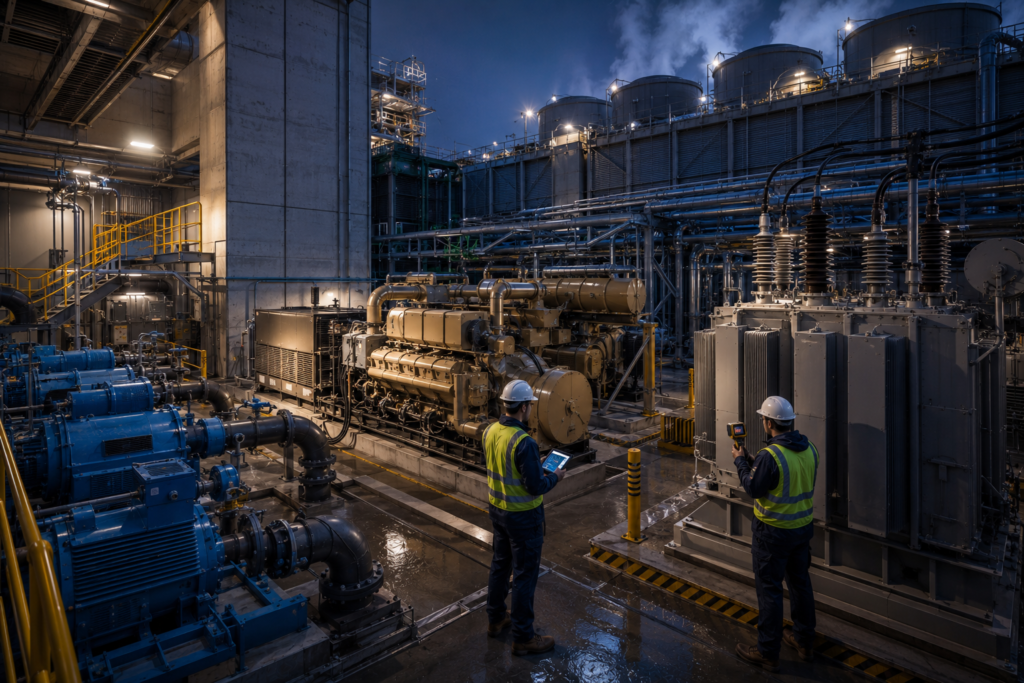
Noise control solutions must be compatible with airflow, ventilation, and cooling requirements. Experiqs evaluates how acoustic treatments affect system performance.
We analyze:
This ensures acoustic improvements do not create new thermal or operational problems.
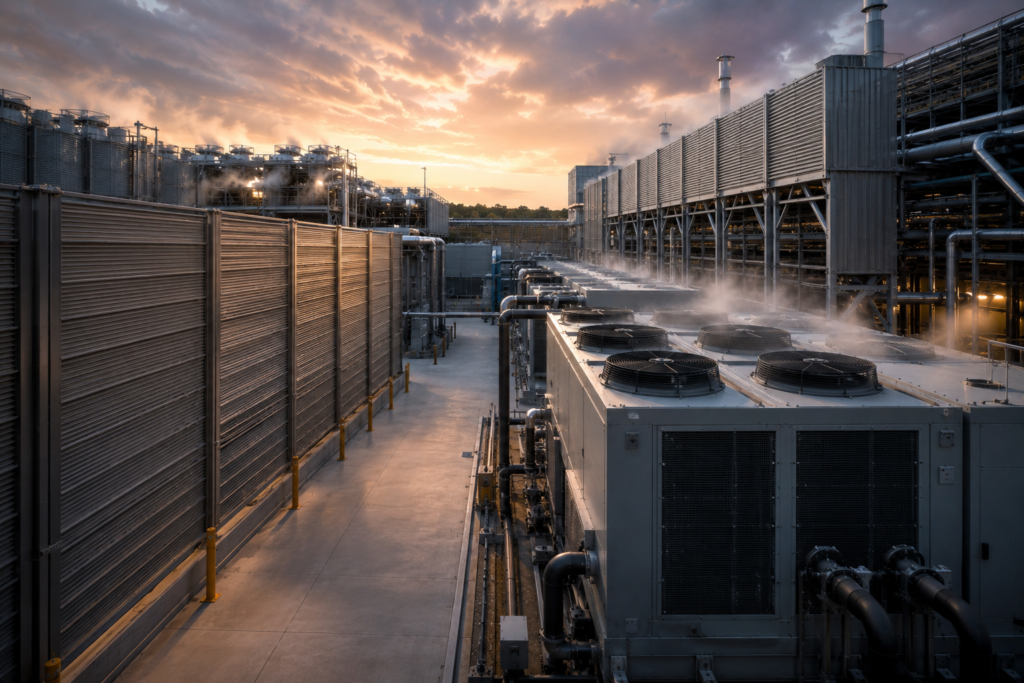
Experiqs helps data center and critical infrastructure teams address acoustic and vibration challenges, including:
Lower sound levels from critical infrastructure equipment and improve acoustic performance around the facility.
Support project approvals, environmental noise requirements, and operational noise targets with simulation-based evidence.
Design acoustic barriers, screens, enclosures, and silencers that reduce noise without blocking essential airflow.
Avoid cooling or ventilation problems caused by poorly planned noise control measures.
Understand which equipment contributes most to overall noise and prioritize mitigation actions effectively.
Balance noise reduction, ventilation effectiveness, heat rejection, and operational reliability.
Our Noise Reduction & Acoustic Analysis service is suitable for:
Experiqs follows an integrated simulation-led workflow to evaluate and optimize acoustic performance.
We review site layout, equipment details, noise source data, operating schedules, equipment locations, building geometry, barriers, louvers, silencers, ventilation openings, and applicable acoustic criteria.
We evaluate existing or proposed noise levels, source contributions, sound propagation paths, reflection effects, and high-noise zones.
Noise maps are developed to visualize sound levels across site boundaries, nearby receptors, service areas, and occupied zones.
Multiple control options are tested, including acoustic barriers, silencers, enclosures, equipment relocation, screening layouts, and source-level treatment.
Where required, CFD airflow analysis is used to evaluate whether acoustic treatments affect ventilation, intake air quality, heat rejection, or equipment cooling performance.
We provide clear recommendations for noise reduction measures, barrier optimization, vibration control, airflow-safe acoustic design, and practical implementation.
Experiqs combines acoustic simulation, CFD airflow analysis, FEA, BEM, vibration assessment, thermal engineering, and critical infrastructure expertise to solve complex noise and airflow challenges.
Our strength lies in understanding that noise reduction cannot be treated separately from ventilation and cooling performance. We help clients reduce acoustic impact while protecting equipment airflow, heat rejection, and mission-critical reliability.
By validating acoustic treatments before construction, retrofit, or site approval, Experiqs helps facility teams reduce noise risk, improve compliance confidence, and make practical engineering decisions.
Control equipment noise, improve acoustic comfort, support compliance, and maintain reliable airflow with Experiqs’ Noise Reduction & Acoustic Analysis services.
Talk to our experts to evaluate noise impact from your data center or critical infrastructure equipment and identify practical acoustic optimization opportunities.
Partner with Experiqs to transform complex ideas into validated, industry-ready engineering solutions
Discover how to partner with Experiqs and get started quickly
Whether you’re exploring a new R&D initiative, seeking advanced simulations, planning experimental validation, or evaluating product feasibility—our experts are ready to assist you.
