
More results...
More results...
Mining, metal, and mineral processing equipment operate under heavy mechanical loads, impact forces, vibration, thermal stress, abrasive material flow, cyclic operation, and harsh plant conditions. Crushers, mills, chutes, tanks, ducts, frames, supports, vessels, rotating equipment, conveyors, hoppers, and process structures must remain strong, stable, and reliable throughout their operating life.
Structural Reliability & FEA Analysis helps mining and mineral industry teams evaluate how equipment and structures respond to real operating loads. By using simulation-led engineering, Experiqs helps identify weak regions, excessive deformation, fatigue-prone zones, vibration risks, thermal stress concerns, and opportunities for design strengthening without unnecessary overdesign.
Experiqs provides Structural Reliability & FEA Analysis services for mining operations, mineral processing plants, metal production facilities, beneficiation plants, smelters, refineries, and material handling systems. We use finite element analysis, stress and deformation studies, fatigue life assessment, vibration analysis, impact load evaluation, thermal-structural analysis, and design optimization to improve equipment reliability and safe operation.
Mining and mineral processing equipment is exposed to demanding operating conditions that can gradually weaken structures and critical components. Heavy material impact, rotating machinery loads, vibration, thermal cycling, abrasive flow, pressure loads, and support constraints can create stress concentration, deformation, cracking, fatigue damage, and premature failure.
A crusher frame may experience high stress during loading. A mill or rotating component may face fatigue under cyclic operation. Chutes, hoppers, and transfer structures may deform or crack due to impact and wear. Tanks, vessels, ducts, and supports may experience thermal stress, vibration, or load imbalance. If these risks are not identified early, they can lead to downtime, safety concerns, repair cost, production loss, and reduced equipment life.
Physical inspection can reveal damage after it appears, but it may not always show the root cause or predict where failure may occur next. FEA-based structural analysis helps visualize stress distribution, deformation patterns, fatigue-sensitive regions, weak load paths, and overdesigned areas.
Experiqs helps mining and mineral teams improve reliability by validating structural performance before equipment failure, retrofit decisions, or design changes.
We assess crushers, mills, chutes, tanks, ducts, frames, supports, vessels, and rotating equipment under realistic operating loads.
Our analysis helps assess:
This helps identify stress concentration, excessive deformation, weak regions, and structural reliability risks.
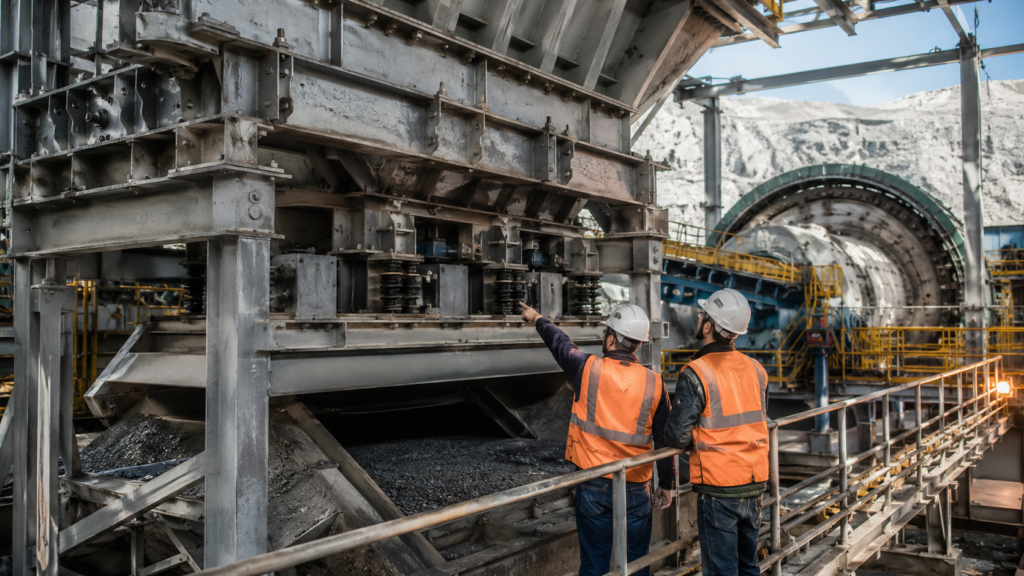
Repeated loads, vibration, impact forces, and thermal cycling can reduce equipment life over time.
Experiqs helps evaluate:
This helps reduce unexpected failure and supports better maintenance and inspection planning.
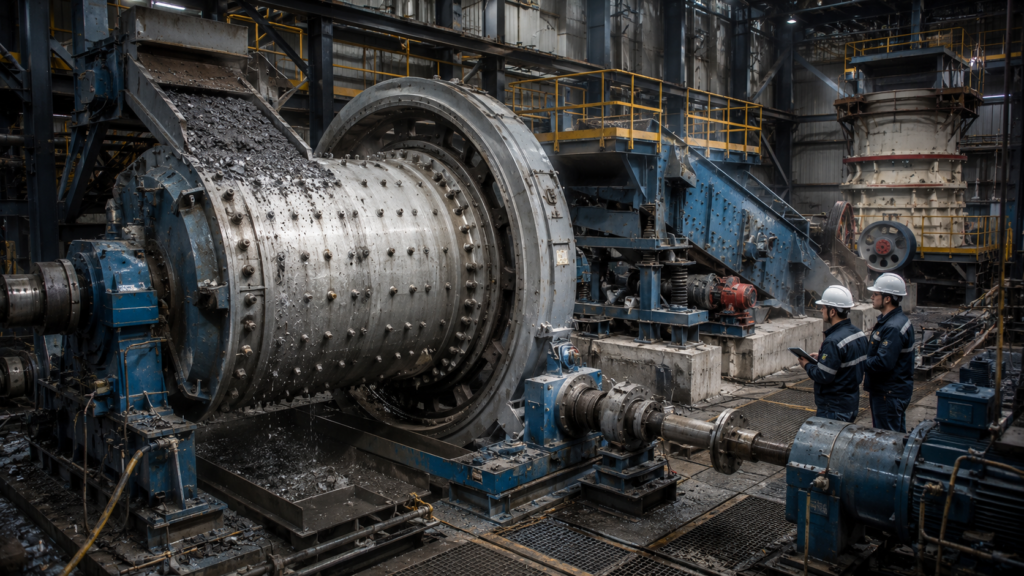
Structural reliability can often be improved through targeted strengthening instead of unnecessary material addition.
We support optimization of:
This helps improve equipment reliability while avoiding unnecessary overdesign.
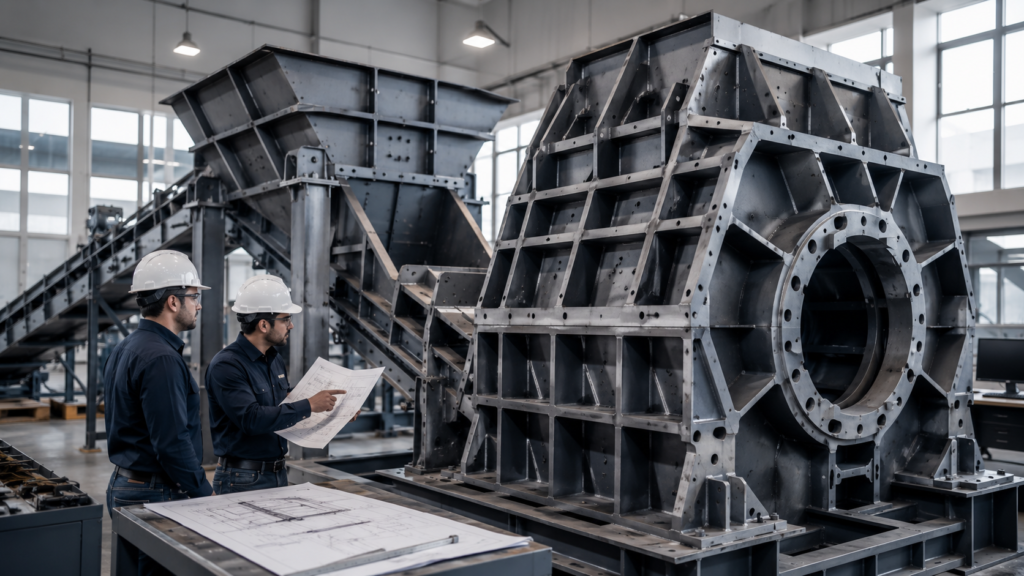
Mining equipment often experiences heavy impact from rocks, ore, minerals, pellets, and bulk materials.
We help analyze:
This helps improve durability in high-impact material handling areas.
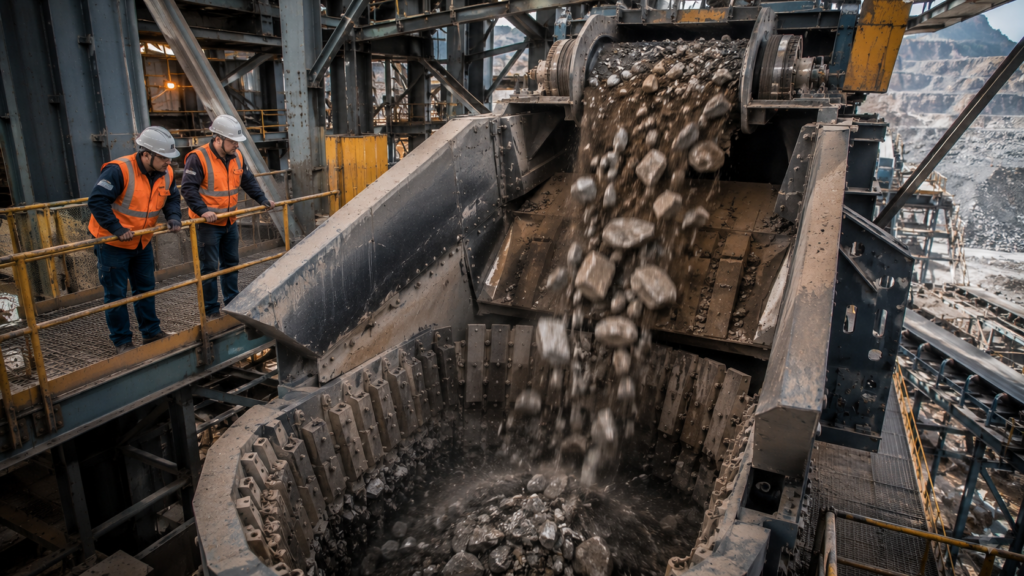
Vibration from crushers, mills, screens, conveyors, pumps, rotating equipment, and process systems can affect structural durability.
We help assess:
This helps reduce vibration-related damage and improve safe operation.
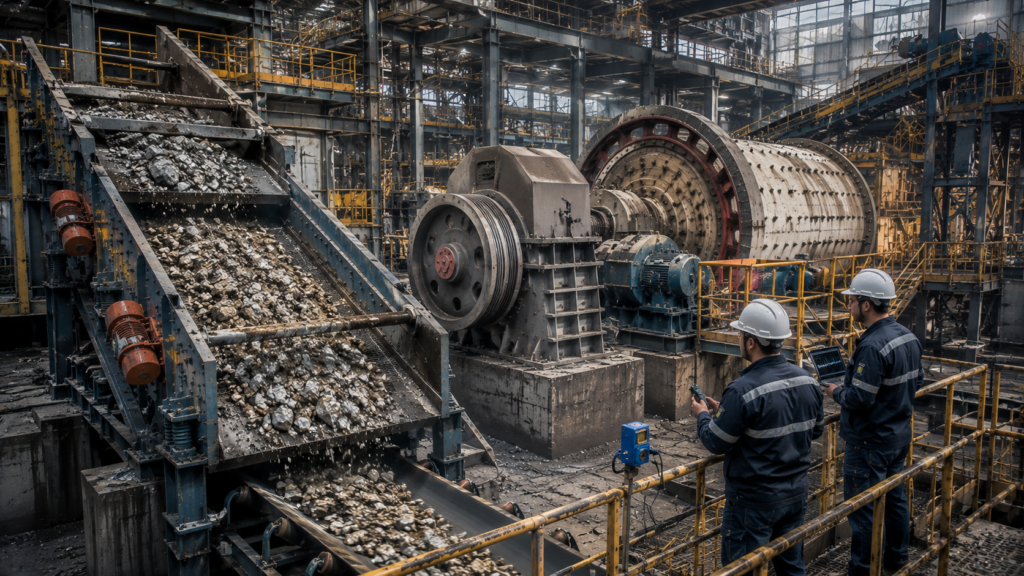
Metal and mineral processing equipment may operate near furnaces, kilns, roasters, dryers, ducts, and high-temperature process systems.
We evaluate:
This helps improve structural reliability in high-temperature operating environments.
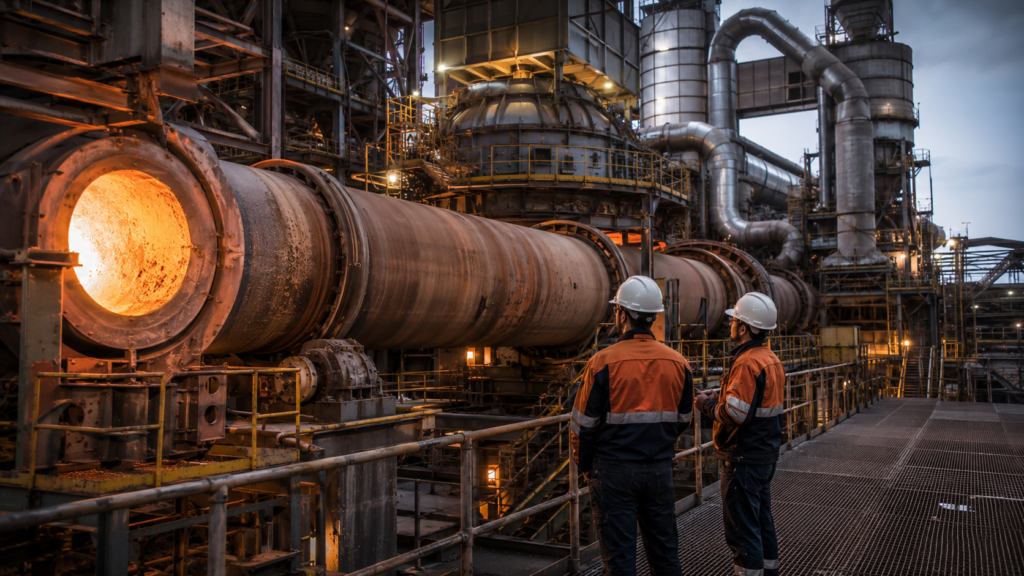
Experiqs helps mining, mineral processing, and metal production teams address structural reliability challenges, including:
Identify weak regions and structural risks before they cause breakdowns, downtime, or safety issues.
Evaluate stress, deformation, fatigue, impact loads, vibration, and thermal stress under realistic operating conditions.
Reduce fatigue damage, cracking, deformation, and vibration-related failures in critical plant equipment.
Strengthen equipment only where required while avoiding unnecessary material, weight, and manufacturing cost.
Identify wear-prone regions and improve material flow to reduce localized damage and maintenance frequency.
Identify fatigue-prone, high-stress, and high-risk regions for more focused maintenance and reliability planning.
Experiqs combines FEA simulation, structural engineering, fatigue assessment, vibration analysis, thermal-structural evaluation, impact load studies, and mining equipment reliability expertise to improve critical equipment and plant structures.
Our strength lies in identifying structural risks that may not be visible through inspection or basic calculations alone. We help clients understand where stress concentration occurs, how loads affect equipment behaviour, and which design improvements can increase reliability without unnecessary overdesign.
By validating structural performance virtually, Experiqs helps mining, mineral, and metal processing teams reduce downtime, improve safety, extend equipment life, and make better engineering decisions.
Evaluate stress, deformation, fatigue life, vibration response, impact loads, thermal stress, and design strengthening opportunities with Experiqs’ Structural Reliability & FEA Analysis services.
Talk to our experts to assess your mining or mineral processing equipment and identify practical opportunities for safer operation, stronger durability, and longer equipment life.
Partner with Experiqs to transform complex ideas into validated, industry-ready engineering solutions
Discover how to partner with Experiqs and get started quickly
Whether you’re exploring a new R&D initiative, seeking advanced simulations, planning experimental validation, or evaluating product feasibility—our experts are ready to assist you.
