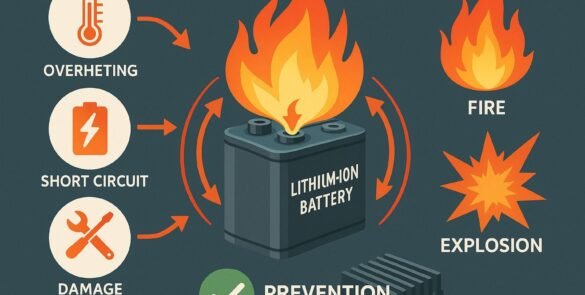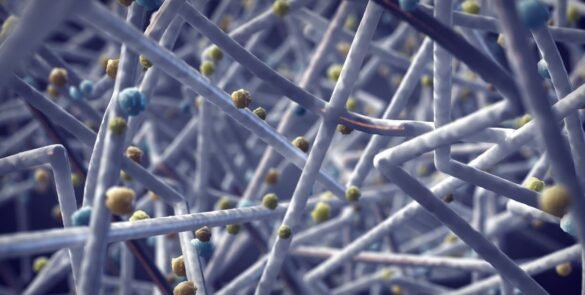
For years, battery researchers have battled a sneaky enemy inside lithium-ion and lithium-metal batteries: tiny, needle-like growths called dendrites. These microscopic crystals form during charging, especially when you charge fast, use the battery in cold weather, or push it hard and they can punch through the battery’s internal barriers, causing short circuits, fires, or total failure.
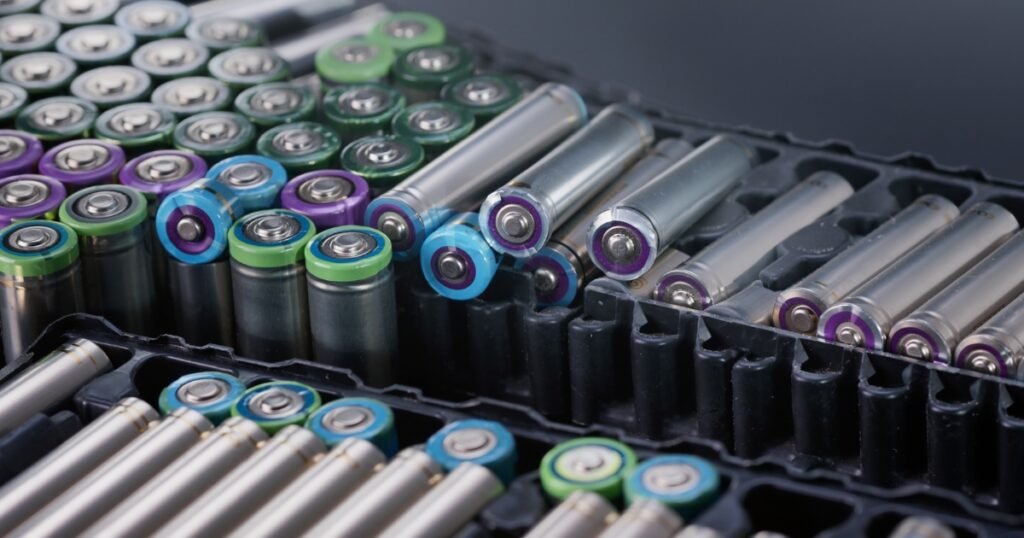
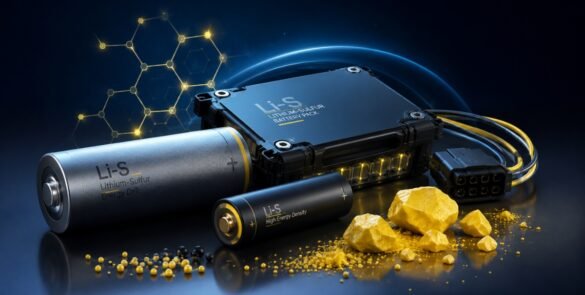
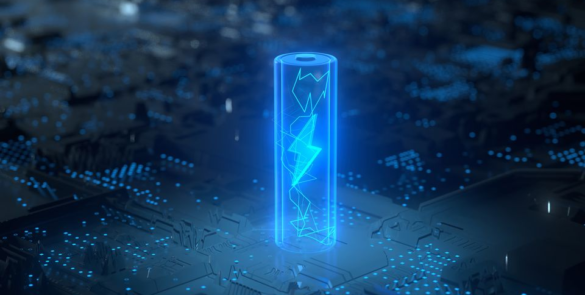
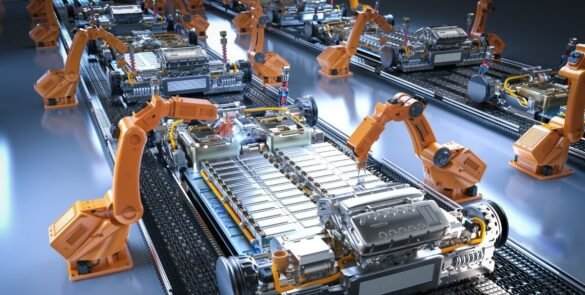
( Image is for representation purpose only )
The big hope for next-generation solid-state batteries was that tough solid electrolytes would simply block these dendrites. After all, everyone assumed lithium metal was soft and malleable, like putty or Play-Doh that it would bend or squash instead of breaking through.
Turns out, that assumption was completely wrong.
In a groundbreaking study published in Science, engineers at the University of Houston, led by Professor Yan Yao captured the first-ever real-time video of lithium dendrites behaving inside a working solid-state battery. What they saw overturned decades of conventional wisdom: these dendrites aren’t soft at all. They’re strong, rigid, and brittle. They snap like glass.
What does it show?
Using a specialized operando scanning electron microscope (SEM) and a custom air-free chamber invented right there at UH, the team watched dendrites grow and fracture live, while the battery was actually operating. The footage reveals needle-like structures that stay stiff under stress, then suddenly crack and break exactly the way a thin glass rod or dry spaghetti snaps.
Why are they so brittle? The researchers discovered the secret lies in their structure:A nanoscale single-crystal core of pure lithium.
A thin protective coating on the surface that makes the whole thing even stiffer.
This combination turns the dendrites into rigid, armor-plated needles capable of piercing battery separators and causing the very failures everyone hoped solid electrolytes would prevent.
Why This Matters for Your Phone and EV
Lithium dendrites have been the Achilles’ heel of high-energy-density batteries for a long time. They’re the reason we can’t yet safely pack more power into smaller, lighter cells for electric vehicles, grid storage, or even next-gen smartphones. Every time a dendrite pierces a separator, it creates “dead lithium” fragments that reduce capacity and raise safety risks.
And because they filmed it happening inside a real, operating battery for the first time, the field now has hard evidence, not just theory that design strategies need a major rethink.
A New Roadmap for Safer Batteries
The good news? Knowing the enemy’s true nature opens the door to smarter solutions. One promising idea already being explored: using lithium alloy anodes instead of pure lithium. These alloys may produce dendrites that are less prone to brittle fracture, reducing the risk of sudden snaps and short circuits.
The UH team’s custom air-free chamber technology is already spinning out into a startup and being adopted by national labs and battery companies proof that this kind of fundamental insight can move quickly from lab to industry. This research is part of a bigger push at the University of Houston to crack the code on solid-state batteries. Earlier work from Yao’s group uncovered why these batteries degrade and how to slow it down. Combined with other advances, like better heat management these discoveries are helping pave the way for longer-lasting, safer, higher-capacity batteries that could finally make electric vehicles cheaper, greener, and more practical for everyone.
We just got our first live look at a problem that’s been hiding inside batteries for decades and it turns out the problem is more fragile than we thought. Lithium dendrites don’t bend; they break like glass. That single insight flips the script on how we design the batteries of tomorrow.
As Professor Yao said, the strategies have to change. And thanks to this real-time view, they finally can. The era of brittle dendrites may still be here, but the path to beating them just got a whole lot clearer.